



How to Use Essential Oils
Your Complete Guide to Aromatherapy at Home
Quick Answer: Essential oils can be used through diffusing for aromatherapy, diluted topical application on skin, adding to bath water, or direct inhalation. Always dilute essential oils with a carrier oil like Organic Jojoba Oil or Organic Argan Oil before applying to skin—typically 2-3 drops of essential oil per teaspoon of carrier oil for adults.
Here's the thing: essential oils aren't complicated. But with hundreds of oils available and countless ways to use them, knowing where to start can feel overwhelming. That's exactly why we put together this guide. Whether you're a complete beginner or you've been dabbling for a while, we'll walk through everything you need to know about using essential oils safely and effectively.
Let's dive in.
What Are Essential Oils? Understanding the Basics
Essential oils are concentrated plant extracts that capture the natural aromatic compounds from flowers, leaves, bark, stems, roots, and other plant parts. Think of them as the essence of a plant—the compounds that give roses their romantic fragrance or eucalyptus its refreshing, invigorating scent.
What makes these oils so potent? It often takes an enormous amount of plant material to produce even a small bottle. For perspective, it takes roughly 250 pounds of lavender flowers to create just one pound of lavender essential oil. That concentration is precisely why these oils deserve respect—and why proper usage matters.
Essential oils have been used for centuries across cultures—from ancient Egyptian beauty rituals to traditional wellness practices in Asia and Europe. Today, they've become a staple in modern self-care routines, offering a natural way to create inviting atmospheres and enhance everyday moments.
How Can You Use Essential Oils? 5 Popular Methods
There's no single "right" way to enjoy essential oils. The best method depends on what you're hoping to achieve and your personal preferences. Here are the most popular approaches:
1. Aromatherapy Diffusion: Transform Your Space
Diffusing is probably the most popular way to use essential oils, and honestly? It's the easiest too. A diffuser disperses tiny oil particles into the air, allowing you to breathe in the aromatic benefits while creating a beautifully scented environment.
How to diffuse essential oils: Fill your diffuser's water tank to the indicated line, add 3-8 drops of your chosen essential oil (depending on room size and diffuser capacity), and turn it on. That's really all there is to it.
Different oils create different atmospheres. Citrus oils like Sweet Orange Oil or Lemon Oil can make a room feel energizing and fresh—perfect for your home office or kitchen. Lavender Oil and Roman Chamomile Oil, on the other hand, create a more relaxing ambiance that many people love for bedrooms or living spaces during evening wind-down time.
Pro tip: Start with fewer drops than you think you need. You can always add more, but an overpowering scent isn't pleasant for anyone.
Try These for Diffusing: Lavender Oil, Sweet Orange Oil, Eucalyptus Oil, Peppermint Oil, Lemongrass Oil, Bergamot Oil, or our pre-blended Sleep Blend Oil and Stress Relief Blend for ready-to-use aromatherapy.
2. Direct Inhalation: Quick and Simple
Sometimes you don't need a diffuser at all. Direct inhalation is wonderfully straightforward—just open the bottle and take a few deep breaths. This method is perfect when you need a quick aromatic moment during a busy day.
You can also try the dry evaporation method: place 2-3 drops of essential oil on a cotton ball or tissue and let the scent naturally disperse. Keep one in your desk drawer, car, or nightstand for easy access whenever you need it.
Another approach is steam inhalation. Add 3-5 drops of essential oil to a bowl of hot (not boiling) water, drape a towel over your head to create a tent, close your eyes, and breathe deeply for several minutes. Many people find Eucalyptus Oil or Peppermint Oil particularly refreshing for this method.
Quick Inhalation Favorites: Peppermint Oil for an invigorating moment, Eucalyptus Oil for a spa-like experience, or Rosemary Oil when you need to feel focused and alert.
3. Topical Application: Essential Oils on Skin
Applying essential oils to your skin allows for a more personal, targeted experience. But here's the crucial part that too many people skip: you need to dilute them first.
Essential oils are incredibly concentrated. Applying them undiluted—what's called using them "neat"—can cause skin irritation, redness, or sensitization over time. Even oils that seem gentle can cause reactions when used without dilution.
The Dilution Basics You Actually Need to Know
Dilution sounds technical, but it's really just mixing your essential oil with a carrier oil. Carrier oils are plant-based oils that help "carry" the essential oil safely onto your skin while providing their own nourishing benefits.
Standard dilution ratio for adults: 2% dilution, which works out to about 10-12 drops of essential oil per 30ml (1 oz) of carrier oil. For something simpler to remember: 2 drops of essential oil per teaspoon of carrier oil.
For facial applications or those with sensitive skin, drop that down to a 1% dilution—just 1 drop per teaspoon of carrier oil. Children, elderly individuals, and pregnant women should always use lower concentrations and consult appropriate resources before use.
Choosing Your Carrier Oil: Gya Labs Options
Not all carrier oils are created equal. Each has unique properties that make it better suited for different applications. Here's our guide to choosing the right one:
|
Carrier Oil |
Best For |
Why We Love It |
|
Organic Jojoba Oil |
All skin types, facial blends, daily use |
Mimics skin's natural oils, lightweight, non-comedogenic |
|
Organic Argan Oil |
Dry skin, hair care, luxurious blends |
Rich in Vitamin E, deeply nourishing, fast-absorbing |
|
Organic Rosehip Oil |
Facial serums, mature skin care |
Lightweight, rich in essential fatty acids |
|
Organic Castor Oil |
Hair & scalp treatments, thick massage blends |
Thick consistency, great for hair applications |
|
Organic Sunflower Seed Oil |
Sensitive skin, full-body massage |
Light texture, gentle, budget-friendly option |
|
Organic Evening Primrose Oil |
Delicate skin, facial care |
Gentle, nourishing for sensitive areas |
|
Organic Tamanu Oil |
Body applications, targeted care |
Thick, deeply moisturizing, unique nutty scent |
|
Organic Pumpkin Seed Oil |
Hair care, scalp treatments |
Nutrient-dense, wonderful for hair blends |
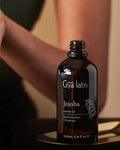
Our Top Pick for Beginners: Organic Jojoba Oil – It works beautifully for almost any application, absorbs well without feeling greasy, and rarely causes reactions. It's the perfect all-rounder to start your essential oil journey.
Skip the Mixing: Ready-to-Use Roll-Ons
Not everyone wants to measure drops and blend oils—and that's completely fine. If you prefer convenience without compromising on quality, our essential oil roll-ons come pre-diluted and ready to apply directly to your pulse points.
Popular Roll-Ons: Lavender Roll On, Peppermint Roll-On, Tea Tree Roll-On, Eucalyptus Roll-On, Frankincense Roll-On
Targeted Blends: Stress Relief Roll On, Sleep Well Roll On, Breathe Easy Roll On, Migraine Manager Roll On
4. Bath Time Aromatherapy: Create Your Home Spa
There's something magical about adding essential oils to a warm bath. The steam helps disperse the aromatic compounds while you soak, creating an immersive sensory experience.
Important: Don't just drop essential oils directly into bath water—oil and water don't mix, and undiluted oils floating on the surface can irritate skin. Instead, mix 4-6 drops of essential oil with a tablespoon of carrier oil (Organic Jojoba Oil or Organic Sunflower Seed Oil work great) or a cup of Epsom salts first, then add the mixture to your bath.
Lavender Oil is a classic choice for evening baths, while Eucalyptus Oil or Peppermint Oil can create a more invigorating experience. Experiment with blends to find what works for you.
Bath Time Favorites: Lavender Oil, Roman Chamomile Oil, Ylang Ylang Oil, Clary Sage Essential Oil, or Bergamot Oil (just avoid direct sun exposure afterward with citrus oils)
5. Massage Blends: Nourish Your Body
Essential oils can transform an ordinary massage into a luxurious, aromatic experience. Whether you're treating yourself to some self-care or sharing with a partner, the right blend makes all the difference.
For a DIY massage oil, blend 15-20 drops of your favorite essential oils with 2 tablespoons of carrier oil. Organic Argan Oil or Organic Sunflower Seed Oil create beautiful, silky massage blends that absorb well without leaving you feeling too slick.
Not into DIY? We've done the blending for you:
-
Relaxing Massage Oil – Perfect for unwinding after a long day
-
Calming Massage Oil – Creates a peaceful, soothing experience
-
Soothing Massage Oil – Ideal after physical activity
-
Energizing Massage Oil – Great for a morning pick-me-up
-
Destressing Massage Oil – When you need to let go of tension
6. DIY Creations: Get Creative
Once you're comfortable with the basics, the possibilities expand dramatically. Essential oils can be incorporated into homemade body scrubs, room sprays, linen spritzers, and more.
Simple Room Spray Recipe: Combine 10-15 drops of essential oil with 1 cup of distilled water and a tablespoon of witch hazel (which helps the oil disperse in water) in a spray bottle. Shake before each use. Try Lemongrass Oil and Sweet Orange Oil for an energizing kitchen spray, or Lavender Oil with Cedarwood Oil for a calming bedroom mist.
Nourishing Hair Serum: Mix 5-6 drops of Rosemary Oil with 1 tablespoon of Organic Argan Oil or Organic Pumpkin Seed Oil. Apply a few drops to damp hair, focusing on the ends. Store in a dark glass bottle.
Popular Essential Oils: Finding Your Favorites
With so many options available, where do you even start? Here are some of the most versatile essential oils that work beautifully for beginners and experienced users alike:
Lavender Essential Oil
The ultimate all-rounder. Lavender Oil's soft, floral scent makes it perfect for creating calming atmospheres. Add it to your diffuser in the evening, blend it into a massage oil with Organic Jojoba Oil, or grab our Lavender Roll On for on-the-go convenience. We also offer Organic Lavender Oil for those who prefer certified organic options.
Peppermint Essential Oil
Crisp, cool, and invigorating. Peppermint Oil's refreshing aroma can help create an energizing atmosphere—great for home offices or afternoon pick-me-ups. The cooling sensation when applied topically (always diluted!) makes it popular for post-workout massage blends. Try our Peppermint Roll-On or Organic Peppermint Oil for the purest experience.
Eucalyptus Essential Oil
That distinctive, clean scent you might recognize from spas and wellness centers. Eucalyptus Oil is fantastic for steam inhalation and creates a refreshing, spa-like atmosphere when diffused. Many people love it for bathroom diffusers. Our Eucalyptus Roll-On and Breathe Easy Roll On are customer favorites.
Tea Tree Essential Oil
Known for its fresh, slightly herbaceous scent, Tea Tree Oil is a popular addition to skincare routines and DIY cleaning products. It blends well with lavender and eucalyptus for household sprays. Choose from our standard Tea Tree Oil, Organic Tea Tree Oil, or the premium Gya Labs Australian Tea Tree Oil sourced directly from Australia.
Lemon & Citrus Essential Oils
Bright, cheerful, and uplifting. Lemon Oil can make any room feel fresher and more inviting. It's a favorite for kitchen diffusers and homemade cleaning solutions. Explore our full citrus collection: Sweet Orange Oil, Grapefruit Oil, Bergamot Oil, Lime Oil, Mandarin Oil, and Tangerine Oil. Note: citrus oils can cause photosensitivity, so avoid sun exposure on skin where you've applied them.
Frankincense Essential Oil
Warm, woody, and grounding. Frankincense Oil has been treasured for centuries and creates a wonderfully contemplative atmosphere. Many people incorporate it into meditation or yoga practices. Try our Frankincense Roll-On for easy application, Organic Frankincense Oil for certified organic quality, or the luxurious Myrrh and Frankincense Roll On for a traditional aromatic experience.
More Oils to Explore
As you grow more comfortable, consider expanding your collection:
-
For Calming Atmospheres: Ylang Ylang Oil, Clary Sage Essential Oil, Vetiver Oil, Roman Chamomile Oil, Valerian Oil
-
For Fresh & Clean Scents: Rosemary Oil, Pine Needle Oil, Juniper Berry Oil, Cypress Oil, Spearmint Oil
-
For Warm & Cozy Vibes: Cedarwood Oil, Sandalwood Oil, Patchouli Oil, Cinnamon Bark Oil, Vanilla Oil
-
For Floral Lovers: Rose Otto Oil, Neroli Oil, Jasmine Oil, Rose Geranium Oil, Egyptian Geranium Oil
-
Premium Organic Options: Organic Ylang Ylang Oil, Organic Ginger Oil, Organic Rose Geranium Oil, Organic Blue Tansy Oil, Organic Roman Chamomile Oil
Pre-Blended Essential Oil Synergies
Blending essential oils is an art—and sometimes you just want something that's already been perfectly balanced. Our signature blends combine complementary oils for specific aromatic experiences:
-
Sleep Blend Oil – A soothing combination designed for peaceful evening atmospheres
-
Stress Relief Blend – Calming aromatics to help create a tranquil environment
-
Breathe Blend Oil – Refreshing and clearing, perfect for diffusing
-
Gya Labs Night Recovery Kit – Everything you need for restorative evening rituals
Essential Oil Safety: What You Need to Know
Essential oils are natural, but natural doesn't automatically mean harmless. These concentrated plant extracts deserve respect and proper handling. Here's what to keep in mind:
Always Dilute for Topical Use
We've mentioned this already, but it bears repeating: never apply undiluted essential oils directly to your skin. Even oils considered "gentle" can cause irritation or sensitization with repeated undiluted use. Reach for Organic Jojoba Oil, Organic Argan Oil, or any of our carrier oils to dilute properly—or choose our pre-diluted Roll-Ons for worry-free application.
Perform a Patch Test
Before using any new essential oil topically, do a simple patch test. Apply a small amount of your diluted blend to your inner forearm, cover with a bandage, and wait 24 hours. If you notice any redness, itching, or irritation, that oil may not be right for you.
Keep Away from Eyes and Sensitive Areas
Essential oils should never be applied near your eyes, inside your ears, or on other sensitive areas. If accidental contact occurs, flush the area with a carrier oil (not water—remember, oil and water don't mix) and seek medical attention if irritation persists.
Special Considerations
-
Pregnancy and nursing: Many essential oils should be avoided or used with extra caution. Consult with a healthcare provider before use.
-
Children: Little ones have thinner, more sensitive skin and smaller bodies. Always use much lower dilutions and avoid certain oils entirely for young children.
-
Pets: Many essential oils can be harmful to cats, dogs, and other animals. Keep diffusers in well-ventilated areas where pets can leave if they choose, and never apply oils directly to animals without veterinary guidance.
-
Medical conditions: If you have any health conditions or take medications, check with a healthcare professional before incorporating essential oils into your routine.
-
Sun sensitivity: Citrus oils (Lemon, Lime, Bergamot, Grapefruit) can cause photosensitivity. Avoid direct sun exposure for 12-24 hours after topical application.
Storage Matters
Essential oils are sensitive to light, heat, and oxygen. Store them in dark glass bottles in a cool, dry place away from direct sunlight. Most oils stay fresh for 1-3 years when properly stored, though citrus oils tend to have shorter shelf lives. If an oil's color, consistency, or scent has changed significantly, it's time to replace it.
Getting Started: Your Essential Oil Journey Begins
If you're just beginning to explore essential oils, there's no need to build an enormous collection right away. Start with a few versatile oils and build from there.
The Perfect Starter Kit
Here's what we recommend for beginners:
-
Lavender Oil – The ultimate all-purpose essential oil
-
Peppermint Oil – Energizing and refreshing
-
Lemon Oil – Bright, clean, and uplifting
-
Eucalyptus Oil – Fresh and invigorating
-
Tea Tree Oil – Versatile for skin and home
-
Organic Jojoba Oil – Your go-to carrier oil for dilution
Experiment with different methods and notice what resonates with you. Maybe you'll discover that diffusing citrus oils transforms your morning routine, or that a lavender-infused bath becomes your favorite way to unwind. The journey of exploring essential oils is deeply personal, and there's no single "right" way to do it.
At Gya Labs, we believe that essential oils should be accessible, pure, and a genuine pleasure to use. Our oils are carefully sourced and tested to ensure you're getting quality you can trust. Whether you're creating a calming bedroom sanctuary, an energizing workspace, or simply exploring what aromatherapy can add to your daily life—we're here to help you along the way.
Frequently Asked Questions About Essential Oils
How many drops of essential oil should I use in a diffuser?
For most diffusers, 3-8 drops work well. Start with fewer drops and increase based on your room size and scent preference. Larger rooms may need more, while smaller spaces need less. Popular diffusing oils include Lavender Oil, Sweet Orange Oil, Eucalyptus Oil, and Peppermint Oil.
Can I apply essential oils directly to my skin?
Essential oils should always be diluted with a carrier oil before applying to skin. A safe ratio for most adults is 2 drops of essential oil per teaspoon of carrier oil. We recommend Organic Jojoba Oil or Organic Argan Oil for dilution. Alternatively, our pre-diluted Roll-Ons are ready to apply directly to pulse points.
What's the best carrier oil for essential oils?
It depends on your needs. Organic Jojoba Oil works well for most skin types and is our top recommendation for beginners. Organic Argan Oil is great for dry skin and hair. Organic Rosehip Oil is ideal for facial applications. Organic Castor Oil is best for hair and scalp treatments.
How long do essential oils last?
Most essential oils stay fresh for 1-3 years when stored properly in dark glass bottles away from heat and sunlight. Citrus oils (Lemon, Orange, Grapefruit) typically have shorter shelf lives of about 1-2 years. Always check for changes in color, consistency, or scent.
Are essential oils safe around pets?
Many essential oils can be harmful to pets, especially cats. Always diffuse in well-ventilated areas where pets can leave if they choose, and never apply essential oils directly to animals without consulting a veterinarian first.
What essential oils are good for beginners?
We recommend starting with versatile, widely-loved oils: Lavender Oil (calming), Peppermint Oil (energizing), Lemon Oil (uplifting), Eucalyptus Oil (refreshing), and Tea Tree Oil (versatile). Pair these with Organic Jojoba Oil for dilution.
What's the difference between essential oils and roll-ons?
Pure essential oils are concentrated and require dilution before skin application. Our Roll-Ons (like Lavender Roll On, Peppermint Roll-On, and Stress Relief Roll On) come pre-diluted with carrier oils and are ready to apply directly to pulse points—perfect for convenience and on-the-go use.
Ready to Explore?
Essential oils offer a beautiful way to enhance your everyday moments—from creating inviting spaces to establishing personal self-care rituals. Start simple, stay safe, and enjoy the journey of discovering which oils and methods speak to you.
Browse our complete collection of pure essential oils, organic carrier oils, ready-to-use roll-ons, and pre-blended massage oils at Gya Labs. Questions? Our team is always happy to help you find the perfect oils for your needs.
—
Gya Labs: Pure Essential Oils for Everyday Wellness
www.gyalabs.com