







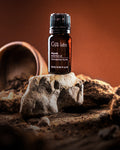
Liquid paraffin oil for skin functions as a lightweight protective moisturizer which helps to create moisture barriers while maintaining hydration. The ingredient functions as a moisture barrier for people who have dry skin or sensitive skin to use in their skincare routines.
While liquid paraffin for skin is widely used in skincare products, understanding how it works and how it compares with other oils, including essential oils, can help you build a more balanced routine.
What Is Liquid Paraffin Oil?
Liquid paraffin, also known as mineral oil, is a purified oil derived from petroleum sources.
- colorless and odorless
- commonly used in skincare products
- forms a protective layer on the skin
This is why paraffin oil for skin is often used in creams and lotions.
How Does Liquid Paraffin Work on Skin?
The main function of liquid paraffin oil for skin is to act as an occlusive.
What this means
- locks moisture into the skin
- prevents dryness
- reduces water loss
This explains many mineral oil for skin benefits, especially for dry environments.
Liquid Paraffin Benefits for Skin
Here are some commonly known liquid paraffin benefits for skin:
1. Helps Retain Moisture
By acting as a barrier, liquid paraffin helps prevent water loss, which is why it is useful for liquid paraffin for dry skin routines.
2. Supports Skin Softness
The product maintains skin softness because it prevents dry skin conditions.
3. Suitable for Sensitive Skin
Because it is simple and non-reactive, it is often used in gentle formulations.
4. Protects Skin Surface
It forms a layer that protects against environmental dryness.
These are some of the key paraffin oil benefits for skin.
Liquid Paraffin Uses for Skin
There are several liquid paraffin uses for skin in everyday routines:
1. Moisturizer Base
The substances function as hydration boosters when they get applied to creams and lotions.
2. Dry Skin Care
The product gets applied to rough skin areas which include elbows and knees.
3. Lip Care
Helps maintain moisture in dry lips.
4. Body Care Routine
Used after a shower to lock in moisture.
These uses highlight liquid paraffin moisturizer benefits.
How to Use Liquid Paraffin for Skin
Let's proceed by considering the most straightforward ways:
Direct Application
A small amount applied on damp skin tends to lock in moisture.
After Shower Routine
Use after bathing to prevent dryness.
Mix with Creams
Add it to your moisturizer for extra hydration.
These methods make liquid paraffin for skin easy to include in daily routines.
Liquid Paraffin for Face: Is It Suitable?
Using liquid paraffin for face depends on your skin type.
- suitable for dry skin
- may feel heavy for oily skin
- often used in small amounts
Always observe how your skin responds.
Mineral Oil vs Essential Oils for Skin
The comparison between mineral oil vs essential oils for skin helps you choose better:
Before we look at the table, it’s important to note that essential oils like lavender (Lavandula angustifolia) and tea tree (Melaleuca alternifolia) are often used in diluted form to support skin routines, while mineral oils like liquid paraffin focus more on moisture retention.
| Feature | Liquid Paraffin Oil | Essential Oils |
|---|---|---|
| Function | Locks moisture | Supports skin routine |
| Texture | Heavy, occlusive | Lightweight (when diluted) |
| Aroma | Odorless | Aromatic |
| Usage | Moisturizer base | Blends, treatments |
| Absorption | Sits on skin | Absorbs when diluted |
| Customization | Limited | Highly customizable |
This comparison helps you understand how mineral oil skincare benefits differ from essential oil usage.
How to Build a Balanced Skin Routine
A balanced approach requires three main components which include:
- hydration (liquid paraffin)
- nourishment (carrier oils)
- enhancement (essential oils)
This allows you to combine liquid paraffin benefits for skin with other skincare methods.
Gya Labs Oils You Can Explore
Start with Jojoba Oil if you want a lightweight option because it helps your skincare routine by providing moisture control without creating a heavy sensation on your skin.
If you want to keep your skin calm and comfortable, you should use Lavender Essential Oil (Lavandula angustifolia) in its diluted form as part of your gentle skincare routine.
For occasional skin cleansing routines, Tea Tree Essential Oil (Melaleuca alternifolia) is often included in blends designed for maintaining a clear skin environment.
When your goal is deeper nourishment, especially for dry areas, Rosehip Oil can be added to your routine to support a smoother-looking skin texture.
You can combine these oils depending on your routine and skin type. You can also explore these options within Gya Labs’ essential oils collection to build a consistent and personalized skincare routine.
Helpful DIY Insight
If you enjoy creating your own skincare or home products, you can explore simple DIY ideas like making candles or blends at home, such as in making beeswax candles at home, which shows how natural ingredients can be used creatively in everyday routines.
Tips for Using Liquid Paraffin Safely
- only a limited quantity is necessary for the application
- apply on damp skin
- avoid overuse
- combine with other skincare elements
Does Liquid Paraffin Work for Everyone?
It works well for:
- dry skin
- rough patches
The product does not match:
- very oily skin
- acne-prone routines
Always test and observe.
Final Takeaway
Start each day by applying liquid paraffin oil for skin which is slightly moist to establish a moisture barrier that guards against skin dehydration. You can mix the product with lighter oils during the day to achieve comfort and balance. Your evening routine should focus on two essential tasks which include hydrating your skin and using gentle products to achieve well-hydrated skin.