






Peppermint extract and peppermint essential oil are not the same. Peppermint extract is mainly used for cooking and baking, while peppermint essential oil is a concentrated aromatic oil typically used for aromatherapy and diluted topical applications. They are not directly interchangeable, so it is important to use the right one for the right purpose.
If you have been comparing peppermint oil vs peppermint extract, the biggest differences come down to how they are made, how strong they are, and how they are meant to be used. Understanding those differences can help you choose safely whether you are baking desserts, making drinks, or using peppermint in a diffuser routine.
Why Peppermint Extract vs Peppermint Oil Matters
Although both come from peppermint, they are processed differently and serve different needs.
- Peppermint extract is usually an alcohol-based or glycerin-based flavoring used in food and drinks.
- Peppermint essential oil is a concentrated oil made through steam distillation and is commonly used in aromatherapy, home fragrance, and DIY self-care routines.
Knowing the difference between peppermint extract vs peppermint oil can help prevent mistakes in recipes, skin applications, and household use.
What Is Peppermint Extract?
Peppermint extract is a flavored liquid made by soaking peppermint leaves in alcohol or another liquid base to draw out their flavor and aroma. It is commonly used in baking, desserts, coffee drinks, and seasonal recipes.
Common Uses of Peppermint Extract
- Cookies, brownies, and cakes
- Frostings and dessert fillings
- Hot chocolate and coffee drinks
- Syrups, sauces, and sweet treats
Peppermint extract adds minty flavor to recipes without the intense potency of essential oil.
What Is Peppermint Essential Oil?
Peppermint essential oil is a concentrated aromatic oil made by steam-distilling peppermint leaves. This process extracts the plant’s aromatic compounds and creates a much stronger product than peppermint extract.
Common Uses of Peppermint Essential Oil
- Aromatherapy and diffuser blends
- Diluted topical use
- DIY candles, soaps, and balms
- Home fragrance blends
Because it is highly concentrated, peppermint essential oil should always be used carefully and diluted properly before skin application.
Peppermint Oil vs Peppermint Extract: Key Differences
| Criteria | Peppermint Extract | Peppermint Essential Oil |
|---|---|---|
| Main Use | Cooking and baking | Aromatherapy and diluted topical use |
| Form | Alcohol- or glycerin-based flavoring | Concentrated essential oil |
| Strength | Mild to moderate flavor | Very strong and concentrated |
| Edibility | Commonly used in food | Only food-grade versions may be used in tiny amounts |
| Aroma | Soft mint flavor | Strong, cooling mint aroma |
| Best For | Desserts, drinks, and recipes | Diffusers, DIY blends, and topical routines |
This is the main reason peppermint oil vs peppermint extract matters. They may come from the same plant, but they function very differently.
Is Peppermint Extract the Same as Peppermint Oil?
No. Peppermint extract is not the same as peppermint oil.
Peppermint extract is intended mainly for culinary use, while peppermint essential oil is designed for aromatherapy, home fragrance, and diluted topical application. Even though they come from the same plant, their concentration and intended uses are different.
Peppermint Oil vs Peppermint Essential Oil
Many people also search for peppermint oil vs peppermint essential oil. In most cases, these terms refer to the same kind of product when discussing aromatherapy oils.
Still, you should always read the label carefully. Some peppermint oils are sold for aromatic or topical use, while others may be labeled food-grade for limited culinary use.
Mint Extract vs Peppermint Extract
There is also a difference between mint extract vs peppermint extract.
- Mint extract may refer to a broader mint flavor and can come from different mint varieties.
- Peppermint extract specifically delivers the sharper, cooler taste associated with peppermint.
So if you are comparing mint vs peppermint extract or the difference between mint and peppermint extract, the distinction usually comes down to the exact mint source and flavor profile.
Peppermint Extract vs Peppermint Oil for Cooking and Baking
When it comes to peppermint oil for cooking or peppermint oil for baking, extra caution is needed.
Peppermint Extract for Baking
Peppermint extract is usually the better option for:
- Cookies
- Brownies
- Cakes
- Frostings
- Hot chocolate
- Coffee drinks
It is easier to measure and gives a balanced mint flavor.
Peppermint Essential Oil for Baking
Only food-grade peppermint oil should be considered for recipes, and even then, only in extremely small amounts. A single drop may be enough for an entire batch.
Are They Interchangeable?
Not exactly. If you substitute one for the other, the flavor strength and safety considerations change significantly. In most recipes, peppermint extract is the safer and easier choice.
Can You Eat Peppermint Oil?
That depends on the product.
- Standard peppermint essential oil is not meant to be consumed unless it is clearly labeled for food use.
- Food-grade peppermint oil may be used in very small amounts for recipes.
If you are asking is peppermint oil edible or can you eat peppermint oil, the safest approach is to check the label and only use products specifically intended for culinary use.
How to Dilute Peppermint Oil Safely
If you want to use peppermint essential oil on the skin, proper dilution is important.
Simple Dilution Guide
Mix:
- 1 to 2 drops of peppermint essential oil
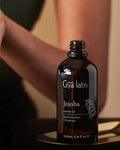
- with 1 teaspoon of jojoba carrier oil or another carrier oil
Other common carrier oils include coconut oil and sweet almond oil.
Safety Tips
- Do not apply undiluted peppermint essential oil directly to skin
- Avoid contact with eyes and sensitive areas
- Do not rely on water alone for dilution
- Patch test before broader application
How to Make Peppermint Extract
If you want to know how to make peppermint extract, the process is simple.
Basic Method
- Lightly crush fresh or dried peppermint leaves
- Place them in a clean glass jar
- Cover with alcohol such as vodka
- Seal and let the mixture sit for 2 to 4 weeks
- Shake occasionally
- Strain before use
This homemade extract can be used in drinks, desserts, and other recipes.
Peppermint-Infused Oil
The process of steeping peppermint leaves in carrier oil creates a milder infused oil used for DIY body oils and massage blends, which differs from steam-distilled essential oil.
Peppermint Extract Uses
Common peppermint extract uses include:
- Flavoring baked treats
- Adding mint flavor to hot drinks
- Mixing into dessert fillings
- Enhancing syrups and sauces
- Making seasonal beverages and coffee recipes
Peppermint extract is generally the more practical choice for food and drink use.
How Can I Use Peppermint Oil?
If you are wondering how can I use peppermint oil, here are some of the most common ways:
- In a diffuser for a refreshing aroma
- In diluted topical blends
- In DIY candles and soaps
- In home fragrance routines
- In aromatic combinations with lemon essential oil or lavender essential oil
For more ideas, you can also explore the essential oils blog.
Does Peppermint Oil Expire?
Yes, peppermint oil does expire over time. Proper storage helps preserve its quality.
Storage Tips
- Keep it tightly sealed
- Store in a cool, dark place
- Avoid heat and direct sunlight
- Check for changes in smell or consistency
Does Peppermint Extract Go Bad?
Yes, peppermint extract can go bad or lose quality over time, especially once opened.
Signs It May Be Past Its Best
- Weaker aroma
- Off smell
- Flavor changes
- Cloudiness or contamination
Storing it in a cool, dry place can help preserve its quality longer.
Where to Buy Peppermint Oil or Peppermint Extract
If you are searching where to buy peppermint oil, where can I buy peppermint oil, or where can I buy peppermint extract, the most important step is choosing a product that matches your intended use.
What to Look For
For peppermint oil:
- Clear labeling
- Purity details
- Directions for aromatherapy or topical use
- Food-grade labeling only if intended for recipes
For peppermint extract:
- Culinary labeling
- Ingredient transparency
- Alcohol-based or glycerin-based formulation
- Pure peppermint flavor without unnecessary fillers
Safety Considerations
Peppermint extract and peppermint essential oil should both be used responsibly.
Peppermint Extract Safety
- Designed mainly for culinary use
- Use in normal recipe amounts
- Keep away from children and pets
Peppermint Essential Oil Safety
- Use diluted for skin application
- Avoid ingestion unless clearly labeled food-grade
- Keep away from eyes and sensitive areas
- Store safely away from children and pets
Final Takeaway
When comparing peppermint extract vs peppermint oil, the biggest difference is how each product is made and how it should be used.
Choose peppermint extract for baking, drinks, and recipes. Choose peppermint essential oil for aromatherapy, DIY blends, and diluted topical use. Once you understand the difference, it becomes much easier to use both safely and effectively.