


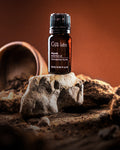
Lavender, eucalyptus, and citrus oils like lemon are the three most commonly used oils for baths, covering relaxation, freshness, and an energizing lift respectively. All three work the same basic way: warm bath water releases the oil's aroma into the air, and scent has a direct line to the brain's emotional centers, which is why the right oil can shift a bath from purely functional to genuinely calming.
Why Add Essential Oils to a Bath
A bath with the right oil does more than smell nice. It gives the ritual a clear purpose, whether that's winding down before bed, easing tension after a long day, or waking up on a slow morning. The scent itself becomes part of the routine, the same way a specific playlist or a cup of tea signals to your brain that it's time to relax.
Best Essential Oils for Baths
Seven oils show up again and again in bath recipes, each suited to a different mood.
Lavender Essential Oil
Lavender is the default choice for a nighttime bath. Its soft, floral scent is well suited to winding down, and it pairs naturally with a broader evening skincare routine.
Eucalyptus Essential Oil
Eucalyptus brings a crisp, almost menthol freshness that makes a bath feel closer to a spa treatment than a quick soak. It works well any time of day, though many people reach for it after a workout or a long, sweaty afternoon.
Lemon Essential Oil
Lemon is the most popular citrus choice for baths, delivering a bright, clean scent that reads as uplifting rather than relaxing. It's a better fit for a morning or midday bath than one right before bed.
Peppermint Essential Oil
Peppermint adds a cooling, energizing edge, which makes it a good fit for a morning bath rather than an evening one. Keep it to a drop or two, since peppermint is potent enough that more isn't better here.
Tea Tree Essential Oil
Tea tree oil has a sharper, more medicinal scent than the others on this list, and it's typically added for its cleansing reputation rather than for relaxation. A little goes a long way, and it should always be diluted before it touches skin, including in bath water.
Rosemary Essential Oil
Rosemary is herbaceous and a little sharp, and it's more often used to feel alert and focused than to relax. It suits a morning bath better than an evening one, and it's a common pick before a day that needs some mental clarity.
Frankincense Essential Oil
Frankincense has a warm, grounding scent that's closely associated with meditation and slow breathing. In a bath, it tends to work best as the anchor for a quiet, unhurried evening rather than a quick soak.
Quick Comparison
|
Essential Oil |
Best For |
Aroma Type |
When to Use |
|
Lavender |
Relaxation |
Floral |
Evening |
|
Eucalyptus |
Freshness |
Herbal |
Anytime |
|
Lemon |
Uplifting |
Citrus |
Morning |
|
Bergamot |
Bright, calming |
Citrus-floral |
Afternoon |
How to Use Essential Oils in a Bath Safely
Essential oils don't dissolve in water on their own, so adding them directly to bath water leaves undiluted oil sitting on the surface, which can irritate skin. Mix four to six drops of essential oil into a tablespoon of carrier oil, such as jojoba or sweet almond oil, or into a cup of Epsom salt, before adding it to the water. Soak for fifteen to twenty minutes, and avoid exceeding six drops total per bath regardless of how many oils you're combining (NAHA, Safety Guidelines for Essential Oils).
Simple Aromatherapy Bath Recipes
Relaxing Lavender Bath
Three drops of lavender oil mixed into a tablespoon of carrier oil, added to warm water. A solid default for a nighttime soak.
Refreshing Citrus Bath
Two drops of lemon oil and two drops of Sweet Orange Essential Oil, diluted the same way. Better suited to morning or early afternoon than right before bed, since citrus tends to energize rather than relax.
Detox-Style Bath Blend
Two drops eucalyptus and two drops peppermint, diluted and added to warm water. A common combination for a post-workout soak.
Grounding Bath Blend
Two drops frankincense and one drop cedarwood, diluted the same way. Suited to a slow, quiet evening rather than a quick soak.
For a bath-adjacent project, this homemade bath bomb recipe walks through blending essential oils into a bath bomb rather than adding them straight to the water.
Matching a Bath to the Time of Day
• Morning: citrus oils like lemon, plus peppermint for an extra lift.
• Evening: lavender, paired with Roman chamomile for an especially calming combination.
• Post-workout: eucalyptus and rosemary together.
• Stress relief: lavender and frankincense.
Pre-Blended Options If You'd Rather Skip the Measuring
If measuring and diluting individual oils isn't appealing, Gya Labs' massage oils are already diluted in a carrier oil and work just as well stirred into bath water as they do for a massage. Calming Massage Oil leans toward the lavender and chamomile side for an evening bath, while Relaxing Massage Oil and Destressing Massage Oil cover similar ground with slightly different blends. A few tablespoons stirred into running bath water gives you the same effect as building a blend from scratch.
A Few Safety Notes
• Always dilute. Undiluted oil floating on bath water can irritate skin directly, especially anywhere more sensitive.
• Keep water warm rather than hot. Very hot water opens pores and increases how much oil skin absorbs, which raises the chance of irritation.
• Cap soak time around twenty minutes. Longer soaks don't add benefit and increase skin exposure to the oils.
• Citrus oils vary in photosensitivity. Cold-pressed lemon can make skin more reactive to sunlight for a short time after exposure, while sweet orange does not carry the same risk, so a lemon bath is better suited to a time when you're not headed into direct sun afterward (Tisserand Institute, “Phototoxicity: Essential Oils, Sun and Safety”).
Final Takeaway
A good aromatherapy bath comes down to picking an oil that matches the mood you're after: lavender or frankincense for winding down, lemon or peppermint for a morning lift, eucalyptus for an anytime refresh. Dilute before adding oil to the water, keep soaks to about twenty minutes, and save lemon-scented baths for times you won't be headed into direct sun right after.