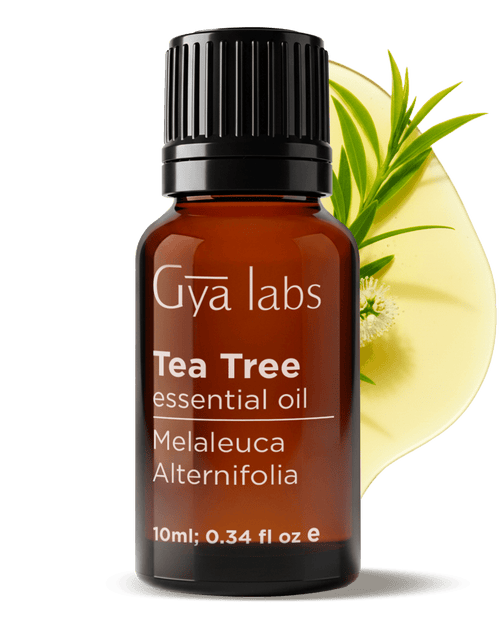
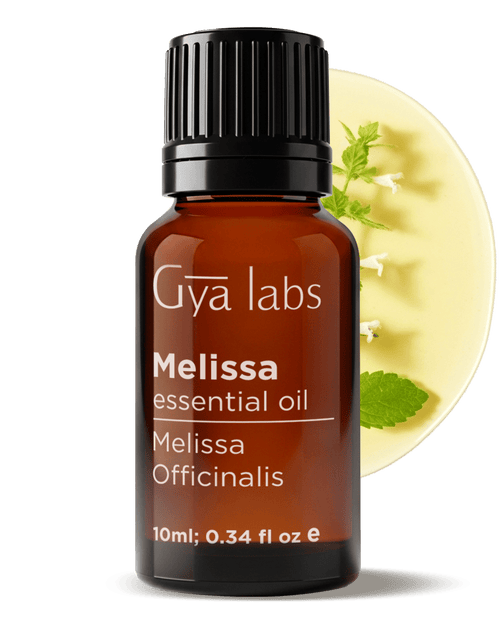
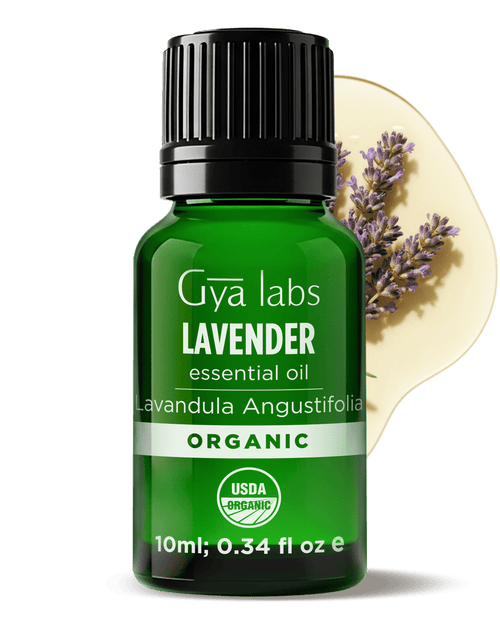
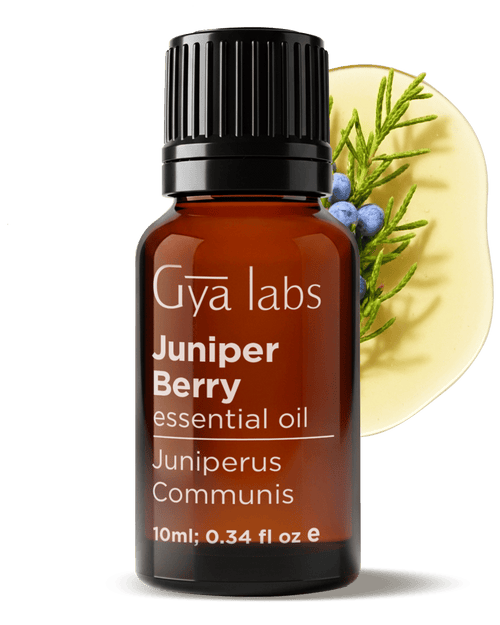
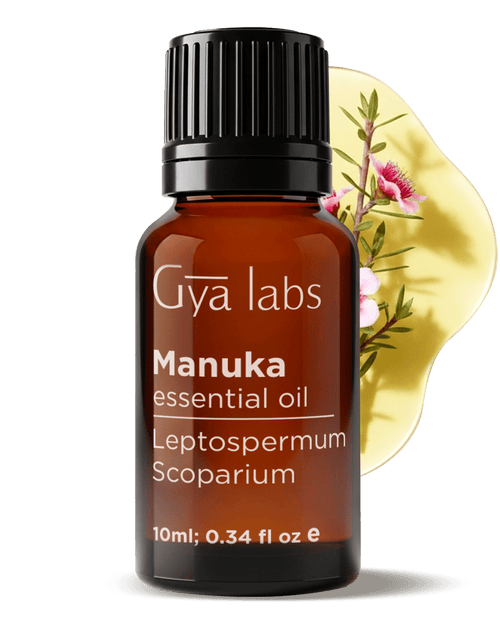
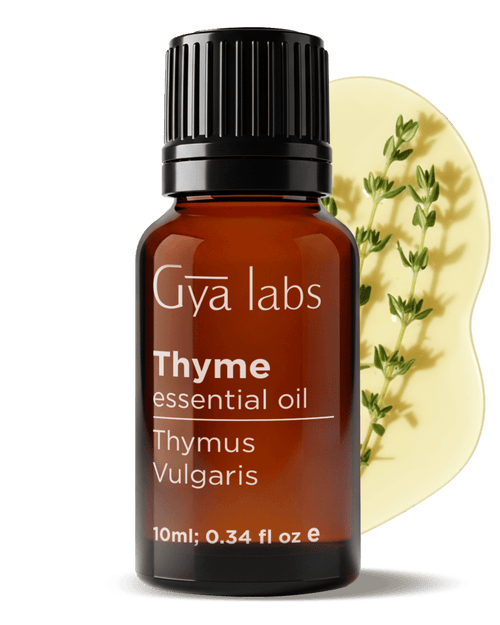
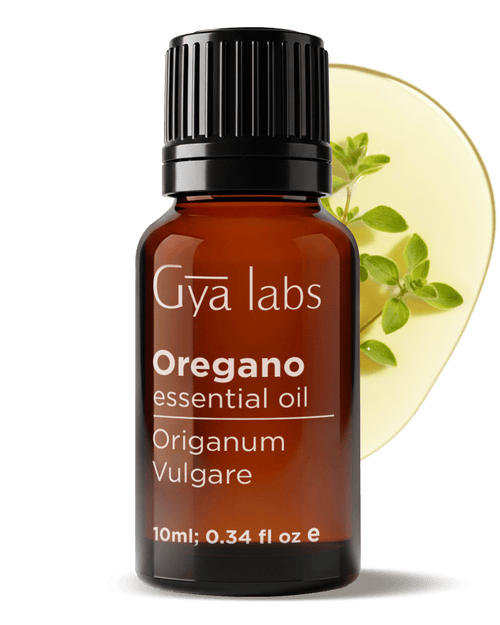
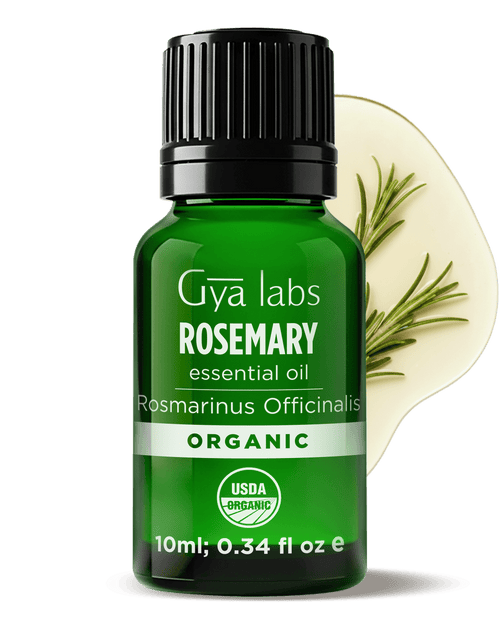
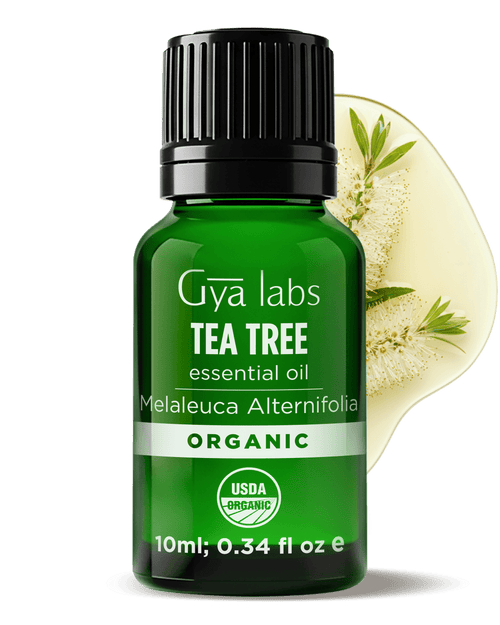
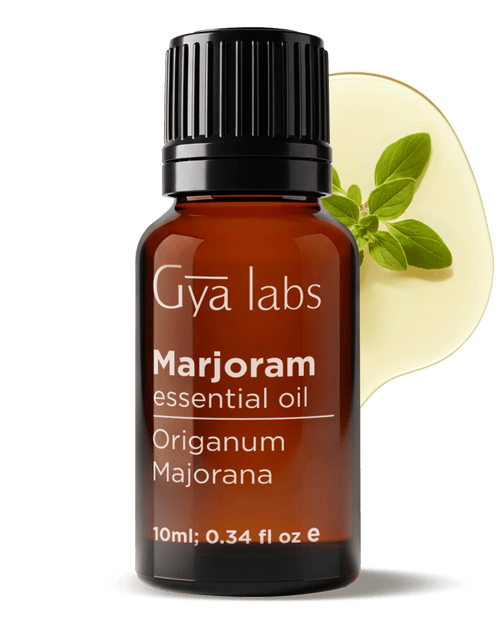
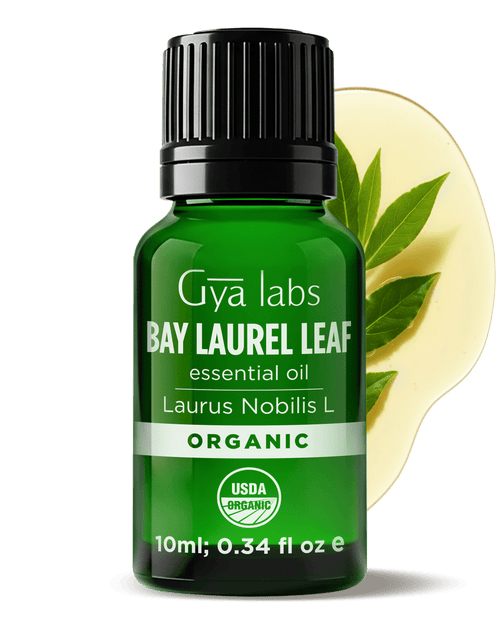
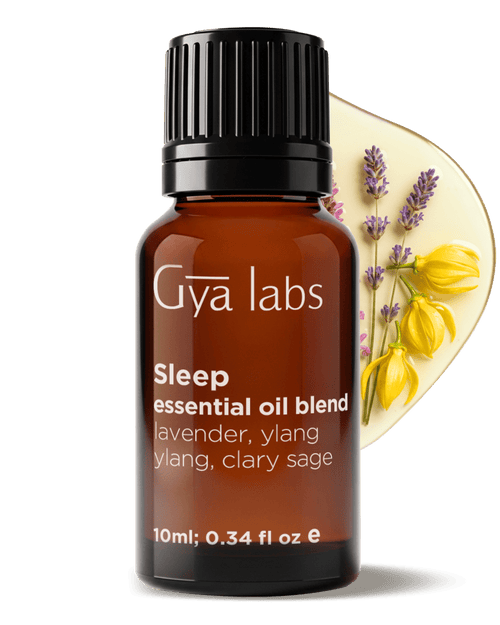
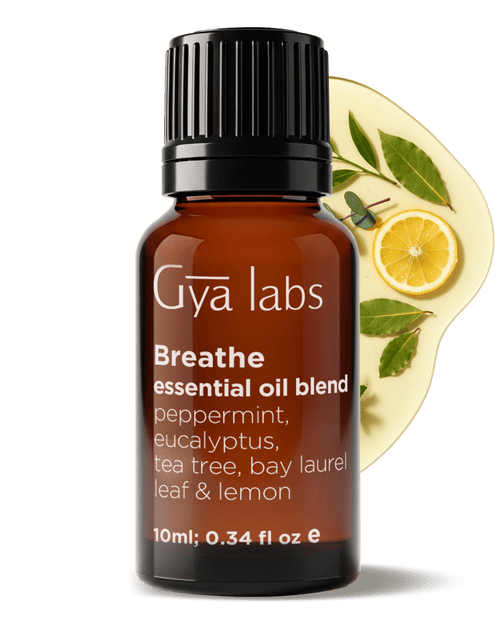
Explore Gya Labs' collection of herbal essential oils inspired by aromatic plants and traditional botanical practices. This selection brings together herbs and oils, herbal oils, and carefully sourced plant essential oils with distinctive green, earthy, fresh, and herbaceous aroma profiles. From rosemary and thyme to basil, tea tree, oregano and clary sage; these oils have something in store for all applications – for your diffuser, in homemade blends, for personal care or simply an enjoyable everyday aromatherapy. Each of the botanical extracts mirror the characteristics of the particular plant from which it has been extracted, rendering this the perfect set for all those passionate about essential oils and plants, and for an evocative aromatic botanical experience.
Explore Aromatic Herbs & Plant Essential Oils
Herbaceous oils are valued for their fresh, green, earthy, and sometimes slightly camphoraceous aromas. Herbal oils can be used individually or combined with citrus, floral, minty, and woody notes to create balanced essential oil blends for different moods and spaces. No matter if you're after the sharp tones of rosemary, the sweeter herbaceous feel of basil, or the fresher, clean fragrance of tea tree oil each brings their own personalities to your aromatherapy regimen.
Gya Labs' collection includes both familiar favorites and less common botanical extracts, allowing you to explore the diversity of aromatic plants. These botanical oils can be diffused, incorporated into properly diluted personal-care blends, or used in DIY aromatic recipes according to individual product directions. For those interested in aromatherapy herbs, this collection provides an easy way to discover oils derived from plants traditionally appreciated for their distinctive scents.
Clary Sage: Aroma, Uses & Everyday Aromatherapy
The scent of clary sage is soft, herbaceous and gentle, with a mild earthiness and floral touches. If you are wondering what does clary sage smell like, imagine a mellow green scent with a subtle sweetness that blends especially well with floral, citrus, and woody oils. The clary sage smell can add depth to diffuser combinations without overpowering softer aromas.
When exploring clary sage essential oil uses, many aromatherapy enthusiasts choose it for diffuser blends, evening rituals, personal fragrance combinations, and properly diluted body-care applications. Clary sage oil for skin can be incorporated into a topical routine only when appropriately diluted and used according to safe essential-oil practices. Its distinctive clary sage essential oil aroma also makes it an interesting ingredient for customized aromatherapy blends.
Rosemary & Thyme for Hair Care
Rosemary and thyme are two very commonly used herb oils with the fresh, green characteristics that belong with a hair and scalp ritual. Rosemary oil for hair care can be included in properly diluted scalp massage blends or customized hair-care formulations, while thyme oil offers a sharper, more herbal aroma that complements rosemary in botanical routines.
If you are exploring thyme and rosemary for hair care, dilution and appropriate carrier oils are important for topical use. Some DIY enthusiasts also search for thyme water for hair or how to make thyme water for hair as a botanical-inspired hair-care idea. The essential oils always use the correct dilution practices and never a concentrated oil directly onto the scalp.
If you're curious about what does rosemary oil smell like, rosemary has a clean, fresh, herbaceous aroma with a slightly woody character. Its rosemary aroma works particularly well alongside peppermint, lemon, lavender, and other complementary botanical notes.
Tea Tree Oil for Skin & Hair Care
Tea tree is one of the collection's most recognizable herbaceous oils, known for its fresh, sharp, green aroma. Tea tree oil for skin care can be explored as part of a properly diluted DIY skincare routine, while tea tree oil for hair care can be incorporated into scalp-focused personal-care blends when appropriately diluted.
For DIY enthusiasts, tea tree oil dilution is an essential consideration. Those researching how to dilute tea tree oil should always use a suitable carrier oil and follow established essential-oil dilution guidance. Tea tree oil for DIY skincare should never be used undiluted, particularly on sensitive skin.
Customers comparing argan oil vs tea tree oil for hair should also note that these ingredients serve different roles in a routine. While argan oil is a base oil abundant in a smooth & naturally luxurious texture, tea tree is an essential oil and must be used in a dilute mixture. They can be employed together, or independently in a well-rounded hair care regimen.
Blending Herbaceous Oils for Aromatherapy
Making a blend is one of the easiest ways to experiment with aromatherapy oils and develop your individual smell preferences. Herbal oils mix with other aroma oils to add brightness, with floral oils to add softness and woody aromas will add depth to. Rosemary blended with lemon makes a really refreshing smell, and you can blend clary sage with florals to give a gentle herbaceous aroma.
For those exploring essential oils for relaxation, herbaceous oils can be combined with traditionally calming floral or woody aromas to create a more rounded diffuser experience. Relaxing essential oils such as lavender can complement rosemary, clary sage, or basil when you want a more balanced aroma. Properly diluted herbal oils for skin can also be incorporated into personal-care routines, while diffuser blends offer a simple way to experience the aroma of herbal essential oils throughout your space.
Featured Herbaceous Essential Oils
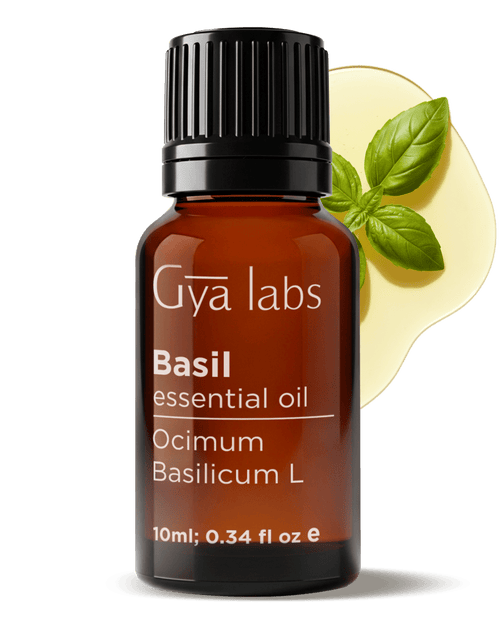
The collection includes thyme essential oil, valued for its sharp herbal scent; Gya Labs rosemary essential oil, have an invigorating herbal, clean and green scent; basil essential oil, with its sweet, fresh, and herbaceous with distinct warm, spicy, and licorice-like (anise) undertones; Gya Labs tea tree oil, which have an energizing minty clean scent; and clary sage essential oil, appreciated for its soft, herbaceous scent. Together, these herbal essential oils offer a diverse selection for diffuser recipes, DIY projects, personal care, and everyday aromatherapy.