Essential Oils for Hair Care Routines
Discover a thoughtfully selected collection of essential oils for hair and scalp care designed to complement everyday personal care routines. Our hair oils combine botanical oils with revitalising and conditioning carrier oils that can be part of your pre-wash, massage, hair mask, and DIY routines. If you are exploring the best essential oils for hair, our collection offers versatile options including rosemary, peppermint, tea tree, cedarwood, and lavender. All these botanicals have unique scent profiles which can be combined with a perfect carrier oil according to the way you want to use it and your hair care routine. With light oils for regular scalp treatment and other fat-rich carrier oils for moisture starved-looking hair, you get a collection that can easily form a ritual according to your hair type and requirements. Whether you are interested in organic essential oils for hair, individual botanicals, or complementary carrier oils, Gya Labs focuses on clear ingredient information and practical everyday use.
Choosing Essential Oils for Hair and Scalp
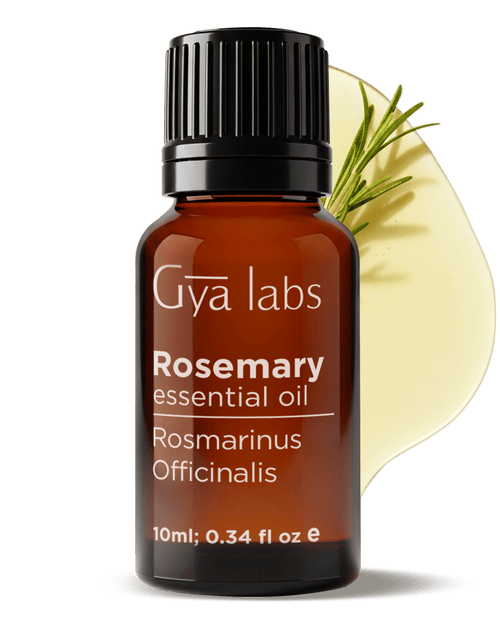
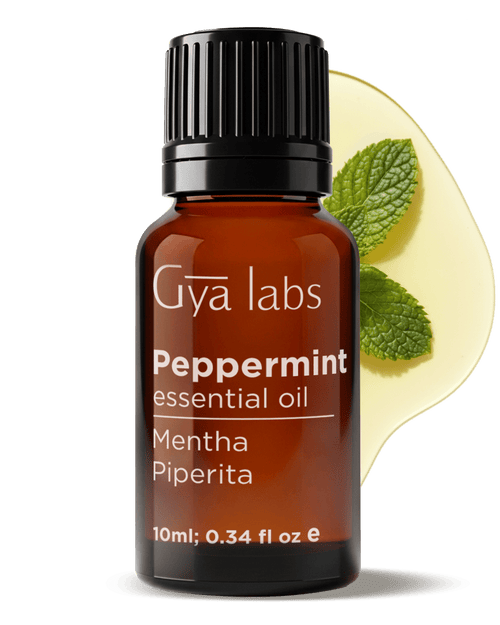
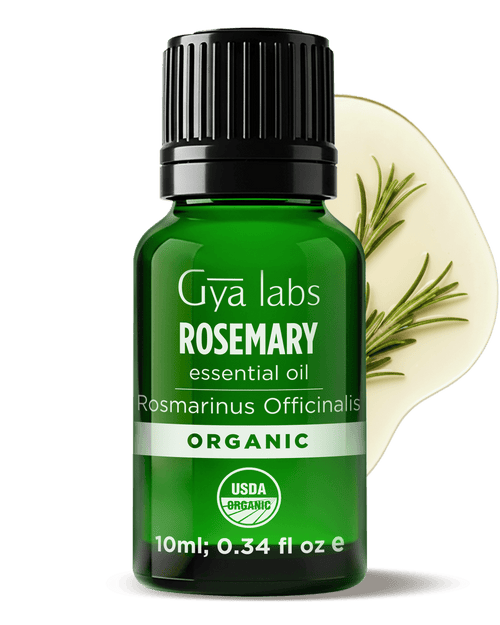
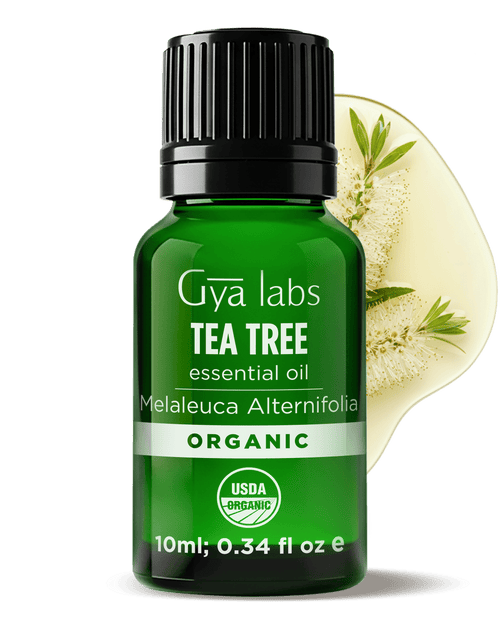
When selecting essential oils for hair, consider the aroma, intended use, and how you plan to incorporate the oil into your routine. Rosemary oil for hair is a popular choice for scalp massage and DIY hair care blends, while peppermint oil for hair offers a fresh, cooling aroma that works well in refreshing scalp routines. Tea tree oil for hair and tea tree oil for scalp are also commonly selected for their clean, herbaceous scent.
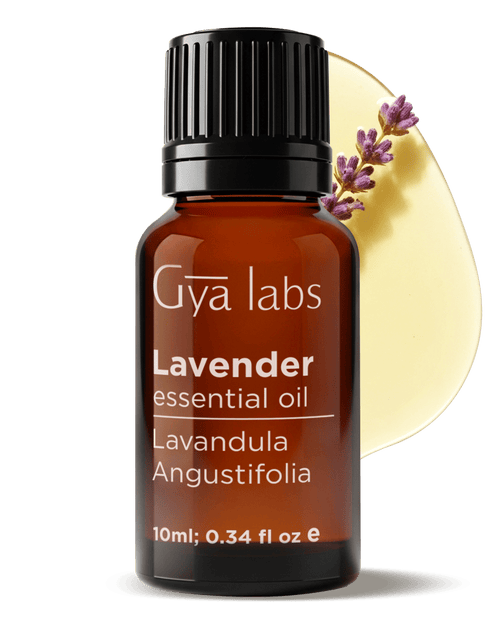
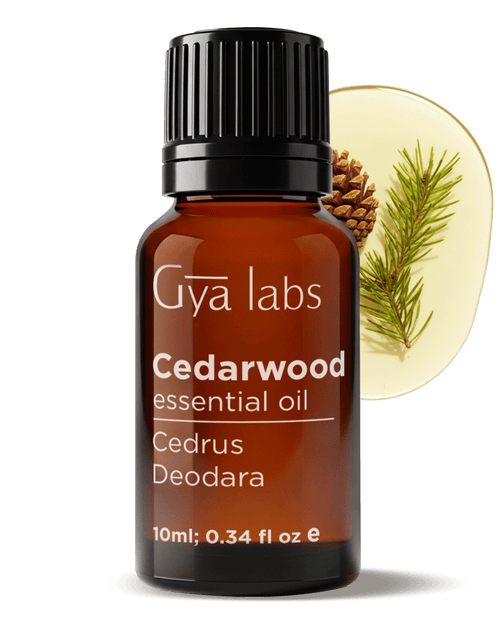
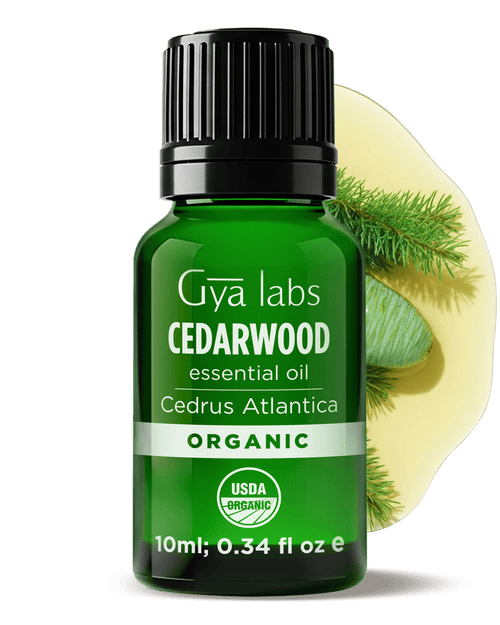
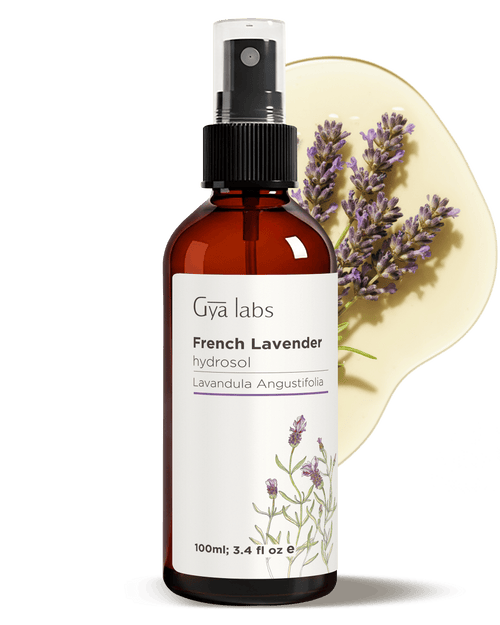
For warmer, woody aroma profiles, cedarwood oil for hair can be paired with carrier oils in customized blends. For those who like floral scents, lavender oil for hair might be great to use during a calming hair treatment. Instead of following what's hot right now when it comes to oils, think about your scent and hair type, scalp care, and if you want to make an oil for hair straightener.
Carrier Oils for Hair Care
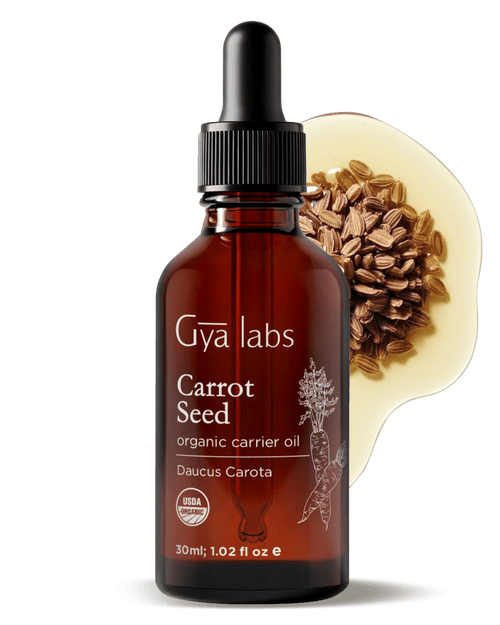
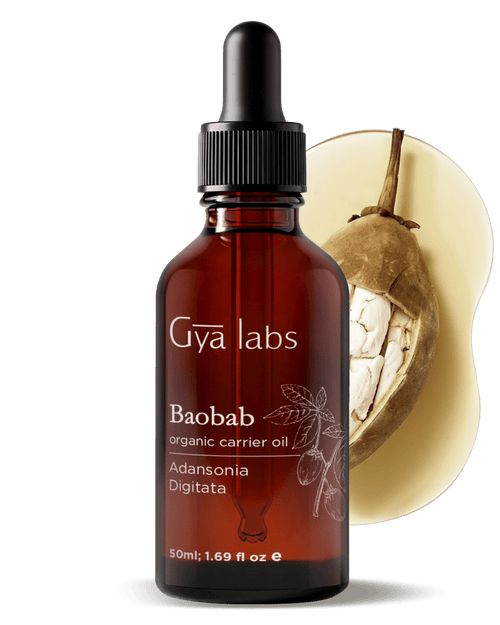
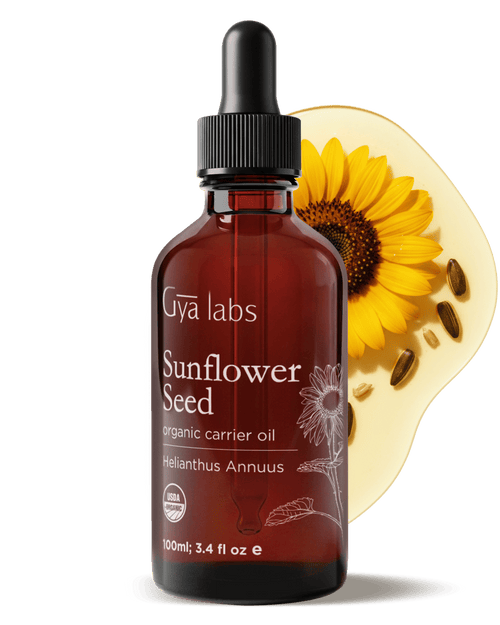
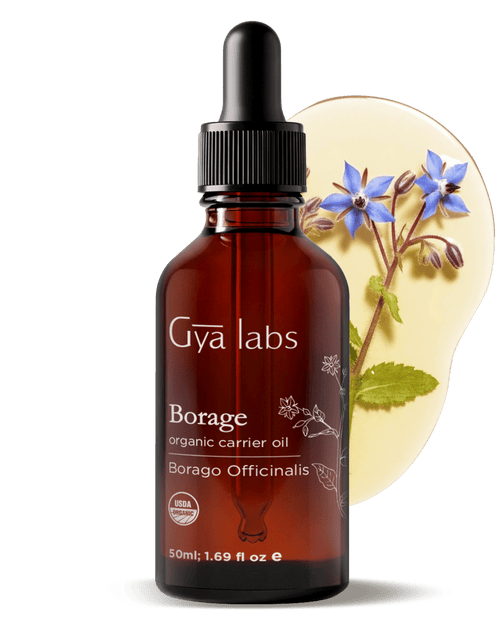
Essential oils are highly concentrated and should generally be diluted before topical application. Carrier oils for hair can be used as a base for formulating personalized scalp oils, massage blends and hair treatments. Jojoba, castor, argan and other botanical oils may be incorporated based on preferred texture and personal preference.
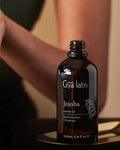
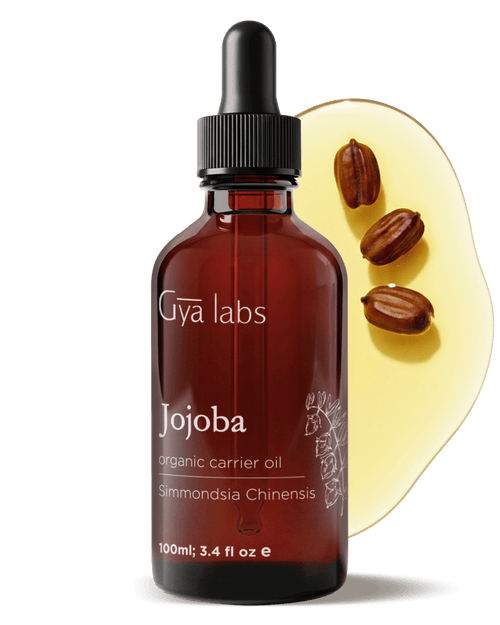
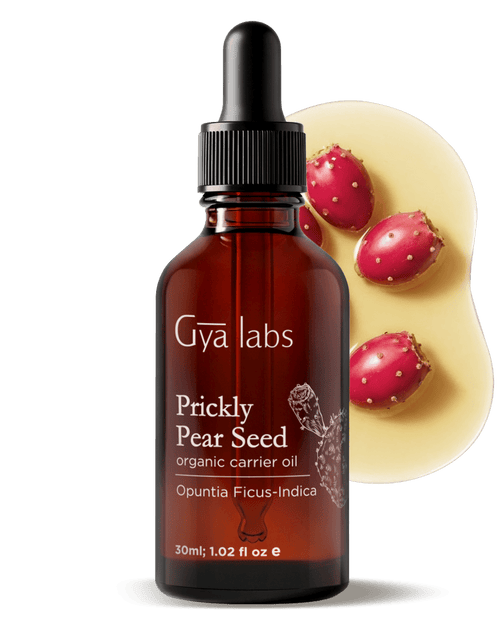
Jojoba oil for hair is a popular lightweight option for people who prefer a less heavy-feeling hair oil. For those looking for a hair oil for dry hair, richer carrier oils may be incorporated into pre-wash treatments or hair masks. A scalp oil can also combine a carrier oil with a properly diluted essential oil to create a simple, personalized routine.
When creating a DIY blend, always follow appropriate dilution guidance. Applying concentrated essential oils directly to the scalp is generally not recommended. Instead, mix them with an appropriate carrier oil before topical use.
Rosemary, Peppermint, Tea Tree and More
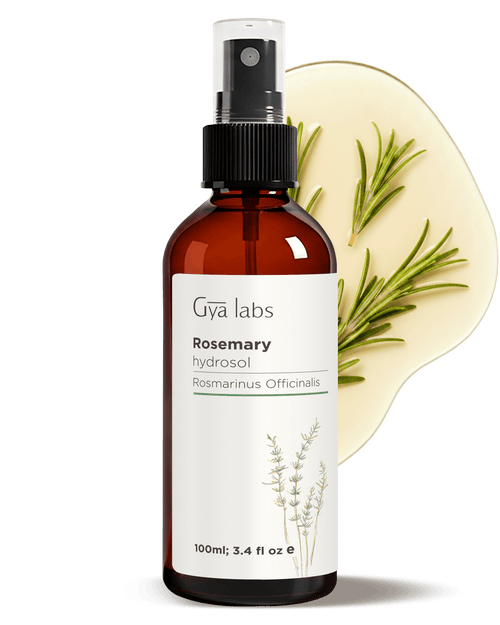
Rosemary and peppermint are two of the most frequently explored botanicals for hair care routines. When comparing rosemary vs peppermint oil for hair, rosemary offers a fresh, herbaceous aroma, while peppermint has a distinctly crisp and cooling scent. Both can be incorporated into properly diluted scalp massage blends according to individual preferences.
For those choosing between different botanical oils, jojoba vs rosehip oil for hair is another useful comparison. Jojoba is a lighter-textured oil, and it's most often used as a carrier. Rosehip has a richer set of plants, and it is often used as part of beauty routines. You should choose whichever you are more comfortable with, depending on the consistency of the oil you want, how you plan to use it, and your regular haircare routine.
How to Use Essential Oils for Hair
Understanding how to use essential oils for hair starts with proper dilution and application. These can be added to a good quality carrier oil to make your own blend of scalp oil or massage oil. They can also be used in some homemade hair treatments provided the ingredients are compatible and the dilution is correct.
For anyone researching how to dilute essential oils for scalp, a conservative dilution is a practical starting point for topical aromatherapy. The exact amount can vary depending on the essential oil, intended use, age, skin sensitivity, and product instructions. Always check the individual product label before use and perform a patch test when appropriate.
A diy hair oil can be prepared by combining a carrier oil with a properly diluted essential oil. Similarly, an essential oil hair mask recipe can incorporate suitable botanical oils into a conditioning base. These practices are meant as cosmetic and pampering rituals, not remedies for scalp or hair disorders.
Building a Routine for Different Hair Types
Your hair texture and scalp preferences can help determine which oils fit naturally into your routine. Those looking for oils for dry scalp may prefer richer carrier oils and nourishing pre-wash treatments. If your scalp feels oily, you might want to choose lighter carrier oils and use essential oils, which should be very diluted, to introduce a touch of scent.
For people searching for the best oils for frizzy hair, carrier oils can be incorporated into hair care routines to condition the feel and appearance of the strands. Jojoba, argan, rosehip and other botanicals have a variety of textures, so you might want to try applying a small amount at a time rather than oversqueezing. It's often easier to keep to a consistent regimen if your product agrees with your method of application. If you don't want to oil your hair each week before you wash it, you might prefer a hair mask, treatment, or scalp massage now and then.
How Often Should You Oil Your Hair?
The answer to how often to oil your hair depends on your hair texture, scalp preferences, product used, and overall routine. Most users prefer one-week pre-wash oiling, or every second week, or else a light carrier oil they'll only use once or twice a month. Begin with a little and work up from there, based on your scalp and hair condition.
Essential oils should always be appropriately diluted before topical application. Avoid contact with the eyes and discontinue use if irritation occurs. Essential oils are concentrated botanical extracts and are intended for external aromatic or topical applications unless a product is specifically labeled otherwise.
Explore Hair & Scalp Care with Gya Labs
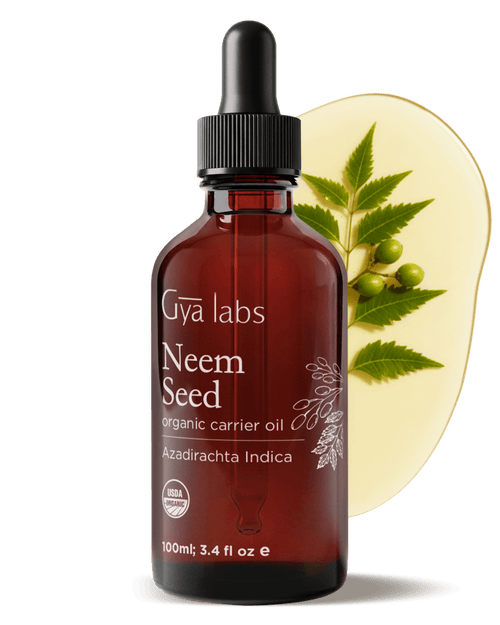
Gya Labs' Hair & Scalp Care collection brings together essential oils, organic essential oils, carrier oils, and other botanical products for building personalized hair care rituals. The current collection includes Rosemary, Organic Rosemary, Peppermint, Cedarwood, Organic Castor, and Organic Neem Seed oils among its Hair & Scalp Ritual options.
Whether you are creating a scalp oil, preparing a DIY hair mask, exploring carrier oils for hair, or opening up to new botanical fragrances, you can filter and select your hair and scalp care products by ingredients, texture, fragrance and use. Gya Labs' products are easy to use with transparent ingredient and fragrance details and a wide range of botanical oils to build a hair and scalp ritual that suits your day-to-day self-care choices.