


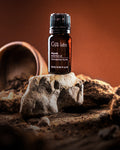
Dry hair can feel rough, dull, frizzy, and difficult to manage, especially when exposed to heat styling, coloring, dry weather, or harsh hair products. A good oiling routine can make a noticeable difference in how your hair feels, but choosing the right oil matters.
For dry hair, it helps to use two types of oils together. Carrier oils like coconut, argan, jojoba, almond, and castor oil help soften the hair and reduce the look of dryness. Essential oils like lavender, rosemary, sandalwood, peppermint, tea tree, and cedarwood can be added in small amounts to support a refreshing scalp-care routine.
The best oil for dry hair depends on your hair type. Thick or coarse hair may need richer oils like coconut or castor oil, while fine or frizzy hair may feel better with lighter oils like argan or jojoba. Essential oils should always be diluted with a carrier oil before use.
Why Does Hair Become Dry?
Hair becomes dry when it does not retain enough natural moisture. This can happen because of daily habits, hair type, weather, or styling choices.
Common reasons include:
- Heat styling
- Frequent washing
- Chemical treatments
- Bleaching or coloring
- Sun exposure
- Dry weather
- Harsh hair products
- Naturally curly, textured, or thick hair
When hair is dry, it may look frizzy, feel brittle, or become harder to detangle. This is why many people use hair oils to help hair feel smoother, softer, and easier to manage.
Essential Oils vs Carrier Oils for Dry Hair
Before choosing an oil, it is important to understand the difference between essential oils and carrier oils.
| Feature | Essential Oils | Carrier Oils |
|---|---|---|
| Concentration | Highly concentrated | Mild |
| Usage | Always diluted before use | Can usually be used directly |
| Main Purpose | Scalp-care blends, aroma, routine enhancement | Softness, moisture, nourishment |
| Texture | Light and volatile | Light to heavy |
| Examples | Lavender, rosemary, peppermint, tea tree, sandalwood, cedarwood | Coconut, argan, jojoba, almond, olive, castor |
For dry hair, carrier oils should be the main part of your routine. Essential oils can be added in small diluted amounts for a more complete hair-care blend.
Best Essential Oils for Dry Hair and Scalp
Lavender Essential Oil
Lavender essential oil is one of the most popular essential oils used in hair-care blends. It has a soft floral scent and works well in scalp massage oils or pre-wash treatments.
It is a good choice if your scalp needs a gentle, calming oil blend. Lavender also mixes well with jojoba, coconut, almond, and argan oil.
How to use:
Add 1 to 2 drops of lavender essential oil to 1 tablespoon of carrier oil. Massage gently into the scalp or apply lightly through the hair lengths before washing.
Rosemary Essential Oil
Rosemary essential oil is often used in scalp-care routines because of its fresh, herbal aroma. It pairs well with jojoba oil, coconut oil, castor oil, and almond oil.
This oil is a good option for weekly scalp massages or pre-wash oiling.
How to use:
Mix 1 to 2 drops of rosemary essential oil with 1 tablespoon of carrier oil. Apply to the scalp before shampooing and massage gently with your fingertips.
Sandalwood Essential Oil
Sandalwood essential oil has a warm, woody scent that feels rich and comforting. It works well in nourishing hair oil blends, especially when paired with coconut, almond, jojoba, or argan oil.
How to use:
Use 1 drop of sandalwood essential oil with 1 tablespoon of carrier oil. Apply before washing as part of a scalp or hair-length oil treatment.
Peppermint Essential Oil
Peppermint essential oil gives a cool, fresh feeling when used properly. It is often added to scalp massage oils for a refreshing hair-care routine.
Because peppermint oil can feel strong on the skin, it should be used carefully.
How to use:
Add 1 drop of peppermint essential oil to 1 tablespoon of carrier oil. Keep it away from the eyes and avoid using it on sensitive or irritated skin.
Tea Tree Essential Oil
Tea tree essential oil is commonly used in scalp-focused hair routines. It has a sharp, fresh aroma and blends well with jojoba, coconut, or almond oil.
How to use:
Mix 1 drop of tea tree essential oil with 1 tablespoon of carrier oil. Massage gently into the scalp before washing.
Cedarwood Essential Oil
Cedarwood essential oil has a warm, earthy scent that blends well with rosemary, lavender, and sandalwood. It is a good option for deeper, woodier hair oil blends.
How to use:
Use 1 drop of cedarwood essential oil with 1 tablespoon of carrier oil. Apply before washing as part of a scalp massage blend.
Best Carrier Oils for Dry Hair
Coconut Oil
Coconut oil is one of the most commonly used carrier oils for dry hair. It has a rich texture, so it is better for weekly oiling rather than daily use.
It works well for thick, coarse, or very dry hair.
How to use:
Apply a small amount to the mid-lengths and ends. Leave it on for 20 to 30 minutes before shampooing.
Argan Oil
Argan oil is a lighter carrier oil often used for shine, softness, and frizz control. It is a good option if your hair feels dry but gets weighed down easily.
How to use:
Rub a very small amount between your palms and apply it to the lengths and ends of damp or dry hair.
Jojoba Oil
Jojoba oil is lightweight and easy to use. It is a good choice for dry hair and dry scalp because it does not feel as heavy as coconut or castor oil.
How to use:
Use it alone on hair ends or as a base oil for lavender or rosemary essential oil.
Almond Oil
Almond oil is smooth, gentle, and useful for dry or frizzy hair. It helps hair feel soft without being too heavy.
How to use:
Apply a small amount to the ends or mix it with another carrier oil for a richer blend.
Castor Oil
Castor oil is thick and rich, so it is best used in small amounts. It is often used for dry ends or very coarse hair.
How to use:
Mix castor oil with a lighter carrier oil like jojoba, almond, or coconut oil. Use it once a week as a pre-wash treatment.
Olive Oil
Olive oil is a classic carrier oil for dry hair, especially thick or coarse hair. It has a heavier texture, so it is better for short treatments rather than daily styling.
How to use:
Apply a small amount to the hair lengths and leave it on for 15 to 20 minutes before shampooing.
Quick Guide: Which Oil Should You Choose?
Choosing the right oil depends on your hair type, dryness level, and how you plan to use
| Oil | Type | Best For | Texture | How to Use |
|---|---|---|---|---|
| Coconut Oil | Carrier Oil | Very dry, thick, or rough hair | Heavy | Weekly pre-wash treatment |
| Argan Oil | Carrier Oil | Shine, softness, frizz control | Light | Daily use on hair ends |
| Jojoba Oil | Carrier Oil | Lightweight care for scalp and hair | Light | Scalp massage or leave-in |
| Almond Oil | Carrier Oil | Softness and smoothness | Light to medium | Pre-wash or light leave-in |
| Castor Oil | Carrier Oil | Very dry or brittle ends | Thick | Weekly, mixed with lighter oil |
| Lavender Essential Oil | Essential Oil | Gentle, relaxing hair-care blends | Concentrated | Dilute for scalp massage |
| Rosemary Essential Oil | Essential Oil | Fresh herbal scalp massage blends | Concentrated | Dilute in carrier oil |
| Tea Tree Essential Oil | Essential Oil | Scalp-focused routines | Concentrated | Dilute before scalp use |
| Peppermint Essential Oil | Essential Oil | Refreshing scalp routines | Concentrated | Dilute and use in small amounts |
How to Use Essential Oils for Dry Hair Safely
Essential oils should not be used directly on the scalp or hair. They are concentrated and need to be diluted with a carrier oil.
A simple rule is to use 1 to 2 drops of essential oil for every 1 tablespoon of carrier oil.
Pre-Wash Hair Oil Treatment
A pre-wash oil treatment is one of the easiest ways to care for dry hair.
How to use:
- Mix 1 tablespoon of coconut, jojoba, almond, or argan oil with 1 to 2 drops of essential oil.
- Apply it to your scalp and hair lengths.
- Leave it on for 20 to 30 minutes.
- Wash with shampoo.
Leave-In Oil for Dry Hair
For leave-in use, carrier oils are usually better than essential oils. Argan oil and jojoba oil are good options because they feel lighter on the hair.
How to use:
- Take 1 to 2 drops of carrier oil.
- Rub it between your palms.
- Apply it to damp ends.
- Avoid using too much near the roots.
If adding essential oil, prepare a diluted blend first, then use only a tiny amount of that finished blend on the ends.
Scalp Massage Oil
A scalp massage can make your hair-care routine feel more relaxing.
How to use:
- Mix 1 tablespoon of jojoba or coconut oil with 1 drop of rosemary or lavender essential oil.
- Massage gently into the scalp.
- Leave it on for 15 to 20 minutes.
- Wash your hair as usual.
Avoid using essential oils on broken, irritated, or very sensitive skin.
Overnight Hair Oiling
Overnight oiling can work well for very dry, thick, or coarse hair, but it may not suit everyone.
For overnight use, it is safer to use a carrier oil such as coconut, almond, argan, or jojoba. Apply a small amount to the lengths and ends, then wash it out the next morning.
Avoid overnight essential oil blends if your scalp is sensitive.
DIY Hair Oil Blends for Dry Hair
Moisturizing Hair Oil Blend
Best for: Dry, dull, or rough hair
Ingredients:
- 1 tablespoon coconut oil
- 1 teaspoon argan oil
- 1 drop lavender essential oil
How to use:
Mix the oils and apply to the mid-lengths and ends. Leave it on for 20 to 30 minutes before shampooing.
Lightweight Frizz-Control Blend
Best for: Frizzy hair that does not like heavy oils
Ingredients:
- 1 tablespoon jojoba oil
- 1 teaspoon argan oil
- 1 drop lavender essential oil
How to use:
Mix well and use only a few drops on damp hair ends.
Dry Scalp Massage Blend
Best for: Dry scalp routines
Ingredients:
- 1 tablespoon jojoba oil
- 1 drop rosemary essential oil
- 1 drop tea tree essential oil
How to use:
Massage gently into the scalp and leave it on for 15 to 20 minutes before washing.
Dry Ends Softening Blend
Best for: Rough or dry ends
Ingredients:
- 1 tablespoon almond oil
- 1 teaspoon castor oil
- 1 drop sandalwood essential oil
How to use:
Apply a small amount to the ends before washing. Add more almond oil if the blend feels too heavy.
Weekly Deep Conditioning Blend
Best for: Thick or very dry hair
Ingredients:
- 1 tablespoon coconut oil
- 1 teaspoon castor oil
- 1 teaspoon olive oil
- 1 drop lavender essential oil
How to use:
Apply to the hair lengths and ends. Leave it on for 20 to 30 minutes, then wash thoroughly.
Best Oil for Dry Scalp
If your scalp feels dry or tight, start with a lightweight carrier oil. Jojoba oil is a good choice because it spreads easily and does not feel too heavy.
You can also use coconut oil if both your scalp and hair feel dry. Lavender, rosemary, and tea tree essential oils can be added in tiny amounts to diluted scalp blends.
Simple dry scalp blend:
- 1 tablespoon jojoba oil
- 1 drop lavender essential oil
- 1 drop rosemary essential oil
Massage gently and wash out after 20 minutes.
Best Oil for Dry Ends
Dry ends usually need carrier oils more than essential oils. Argan oil, almond oil, jojoba oil, coconut oil, and castor oil are useful options.
For daily use, choose argan or jojoba oil because they are lighter. For weekly treatments, use coconut or castor oil because they are richer.
Apply oil only to the ends if your roots get oily quickly.
Helpful Tip for Chemically Treated Hair
If your dryness is caused by bleaching or chemical treatments, it’s important to use more nourishing and gentle oil routines. You can also explore the best hair oils for bleached hair to understand how different oils are used for restoring moisture and improving hair texture after processing and maintaining healthy hair.
If you want to hydrate and repair your dry and brittle strands on a weekly basis, Coconut Oil is where you should start.
If you prefer something lightweight for daily use, Argan Oil or Jojoba Oil works well as a leave-in oil for dry hair to improve softness and manageability.
For scalp-focused care, especially if you’re dealing with dryness or imbalance, Lavender Essential Oil or Tea Tree Oil can be added to your routine in diluted form.
If your focus is on improving overall hair texture and reducing frizz, Almond Oil or Castor Oil can be included in your moisturizing hair oil blends.
You can mix and match these oils depending on your routine and hair needs. You can also explore these options within Gya Labs’ hair care oils collection to build a consistent and personalized routine.
Safety Tips Before Using Essential Oils on Hair
Essential oils are concentrated, so a little goes a long way.
Follow these safety tips:
- Always dilute essential oils before applying them to your scalp or hair.
- Do a patch test before using a new blend.
- Avoid contact with your eyes.
- Do not apply essential oils to broken or irritated skin.
- Stop using the blend if you feel burning, itching, or discomfort.
- Speak with a qualified professional before use if you are pregnant, nursing, have sensitive skin, or have a scalp condition.
Final Takeaway
The best routine for dry hair usually starts with a good carrier oil. Coconut oil and castor oil are better for deep weekly treatments, while argan, jojoba, and almond oil are easier to use for softness, shine, and frizz control.
Essential oils such as lavender, rosemary, sandalwood, peppermint, tea tree, and cedarwood can be added to hair oil blends, but only in small, properly diluted amounts. They should never be applied directly to the scalp or hair.
Start simple. Choose one carrier oil that matches your hair type, add an essential oil only if needed, and use a small amount consistently. This keeps your routine gentle, practical, and easier to maintain.