Bring botanical aromas into your everyday home-care routine with essential oils for cleaning. Cleaning with essential oils can add fresh, natural scents to household routines while giving you versatile ingredients for DIY sprays, surface blends, laundry care, and room freshening. Gya Labs offers carefully selected natural cleaning essential oils with distinctive aromatic profiles, making it easy to create simple home-care routines around ingredients you already enjoy. From bright citrus notes to crisp herbal and woody aromas, these oils can complement everyday cleaning while helping your home smell clean and refreshed.
Best Essential Oils for Cleaning
When choosing the best essential oils for cleaning, consider both the aroma and the type of household application. Lemon, tea tree, eucalyptus, peppermint, lavender, and other antibacterial essential oils are commonly included in DIY cleaning blends because of their fresh, recognizable scents. Some botanical oils are also described as purifying essential oils, making them popular for freshening rooms and creating a clean-smelling environment.
Your choice of oil comes down to the job. A bright and zesty orange and grapefruit, for example, might suit surface sprays and kitchen sprays, whereas eucalyptus and peppermint oil would lend crisp green herbaceous smells to the bathroom and more. Tea tree is a common oil in homemade concoctions for its fresh botanical scent. Essential oils should complement, rather than replace, established cleaning and disinfecting products when sanitation is required.
Natural Cleaning With Essential Oils
Cleaning with essential oils offers a straightforward way to customize the scent of everyday household products. When properly diluted in suitable formulations, oils can be incorporated into sprays for counters, sinks, floors, fabrics, and other appropriate surfaces. Essential oils for cleaning house routines can also be paired with ingredients such as unscented soap or other compatible cleaning bases.
If you prefer natural cleaning essential oils, start with a simple formula and always check the compatibility of each ingredient with the intended surface. Do not apply concentrated essential oils directly onto countertops, wood, stone, or finished surfaces unless product instructions specify that this is okay. Proper dilution and storage procedures are of particular importance when DIYing household cleaners.
Essential Oils for Disinfecting & Freshening
Essential oils for disinfecting are often searched for by people interested in botanical alternatives for home care, but fragrance and disinfection are not the same thing. Essential oils may contribute a fresh scent to a cleaning routine, while a product specifically tested and labeled as a disinfectant should be used when verified germ-killing performance is needed.
An essential oil disinfectant spray can be convenient when it is formulated and labeled for that purpose. Don’t call a basic DIY essential-oil spray a disinfectant-unless the final formula has undergone testing and is ready for approval. Otherwise, it helps to keep your at-home routine realistic by not jumping on the disinfectant and antibacterial bandwagon without evidence.
Essential Oils for Air & Odor Control
Fresh botanical aromas can also make essential oils useful for everyday room freshening. Essential oils for air purifying routines commonly feature eucalyptus, lemon, peppermint, lavender, and other aromatic oils that can help create a cleaner-smelling indoor atmosphere. Diffusion is one convenient option when you want to distribute a pleasant aroma without applying oils directly to household surfaces.
For essential oils for odor removal, choose aroma profiles that complement the space rather than simply masking unwanted smells. Refreshing qualities come from citrus and minty oils, while softer and herbal profiles may come from such oils as lavender and eucalyptus. These deodorizing essential oils can be used in appropriate diffuser blends, linen sprays, or other properly formulated home-fragrance products.
Essential Oils for Different Rooms
Specific rooms call for unique smells. Essential oils for bathroom cleaning often include eucalyptus, tea tree, lemon, and peppermint because their crisp scents work well in freshening routines. For essential oils for kitchen cleaning, lemon and other citrus oils are among the most widely utilized to impart an uplifting aroma and are fantastic options for your surface and sink recipes.
A properly formulated essential oil floor cleaner can add a fresh botanical aroma to suitable flooring, while an essential oil carpet cleaner may be used in recipes designed specifically for compatible carpets and fabrics. Always test a small, hidden area first and follow the flooring or fabric manufacturer's care instructions before using any essential-oil-based formula.
Essential Oils for Laundry
Essential oils for laundry can add a personalized botanical aroma to your washing routine. Lavender, lemon, eucalyptus and peppermint are very popular due to their signature aromas. If the oils are being applied to dry balls use only the right amount as advised by the manufacturer instructions.
People searching for the best essential oils for dryer balls or essential oils for laundry balls should remember that essential oils are concentrated and should not be poured directly onto clothing in large amounts. A properly prepared and compatible laundry product is a better choice when direct fabric application is involved.
Popular Essential Oils for Cleaning
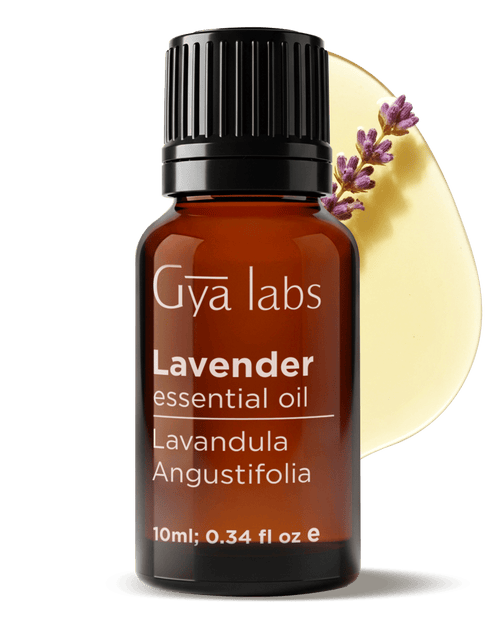
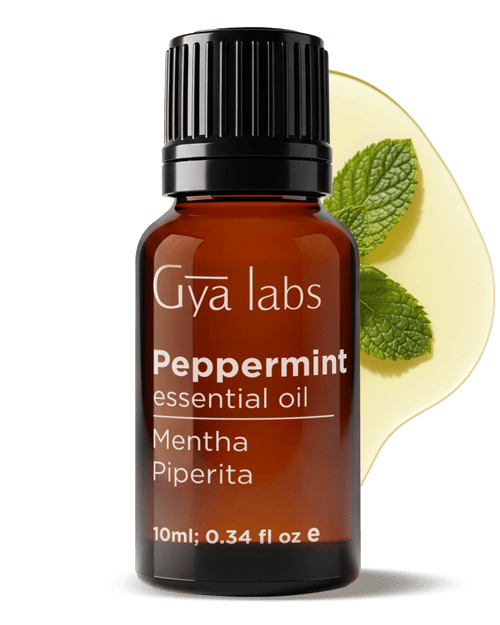
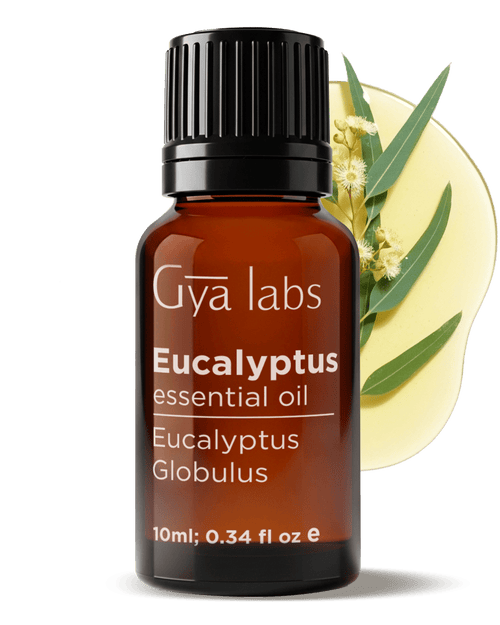
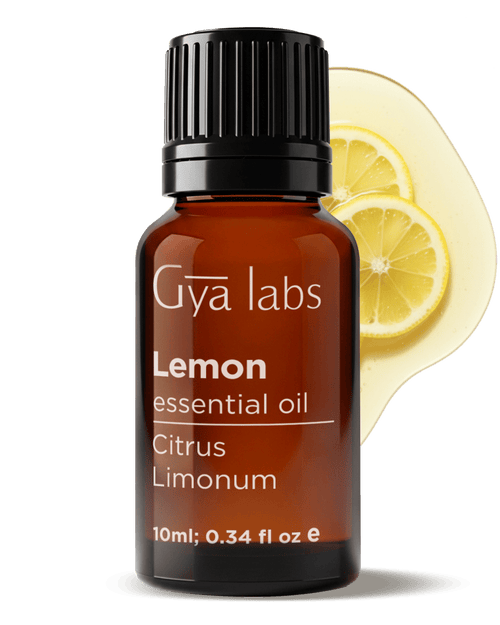
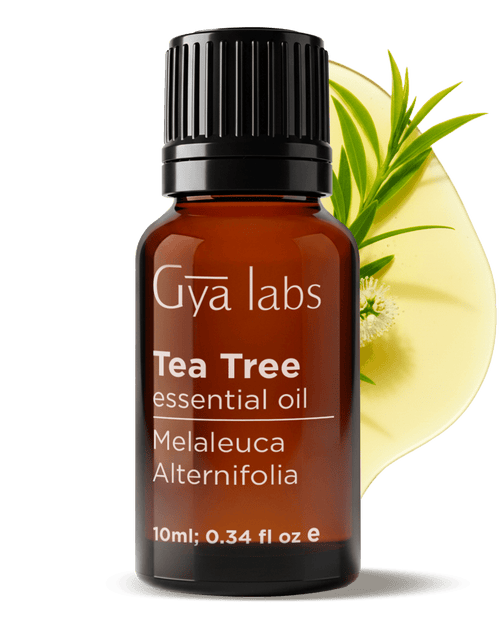
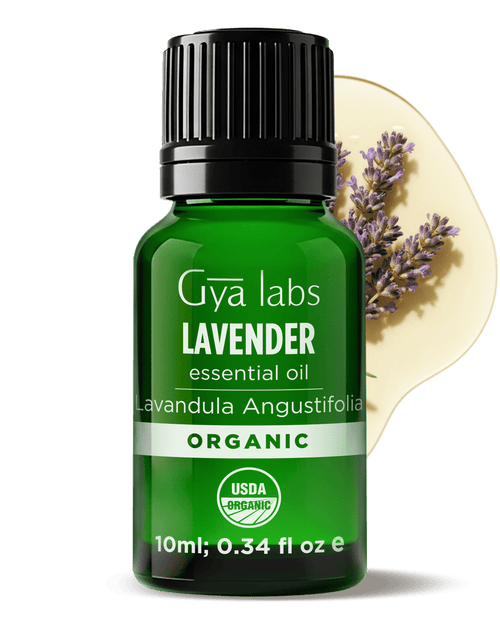
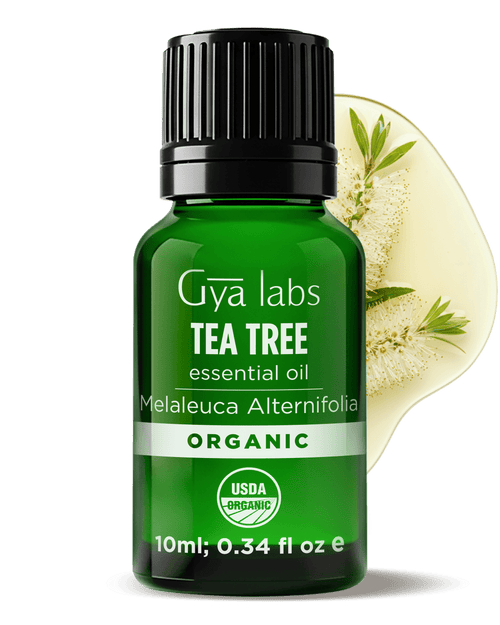
Tea tree oil for cleaning is frequently chosen to create herbaceous, fresh cleaning blends for the home. Lemon essential oil for cleaning gives bright, citrusy scents that are welcomed to kitchen cleaners and surface sprays. Eucalyptus oil for cleaning is chosen for its clean and crisp scent profiles that enhance room and bathroom spray formulations. Peppermint oil for cleaning contributes a sharp, minty quality to home recipes, whereas Lavender oil for cleaning has a gentler fragrance suitable for linens and home cleaning recipes.
DIY Cleaning Recipes With Essential Oils
Creating a diy all purpose cleaner with essential oils starts with choosing a compatible cleaning base and adding an appropriate amount of diluted essential oil. Simple formulas can be adapted for suitable household surfaces, but ingredients should always be selected according to the surface being cleaned.
When exploring essential oil cleaning recipes, keep formulas simple and label homemade products clearly. Don't mix ingredients that produce dangerous reactions. Never automatically assume because something is natural that is safe on all surfaces and in all situations or that it's safe for animals, people in the house etc. Securely store your homemade cleaners.