Nourishing Oils for Dry Hair Care
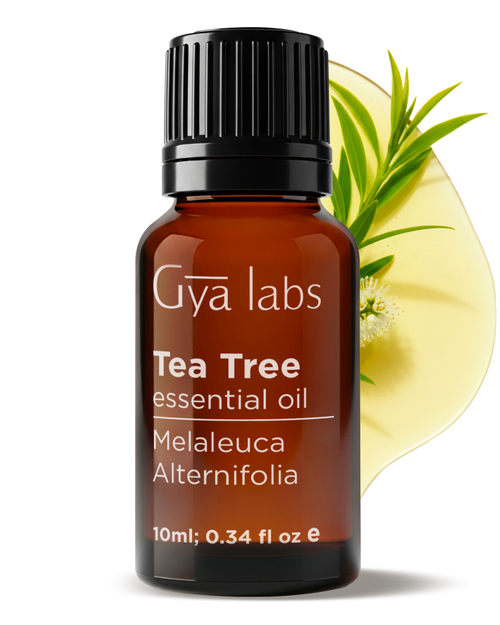
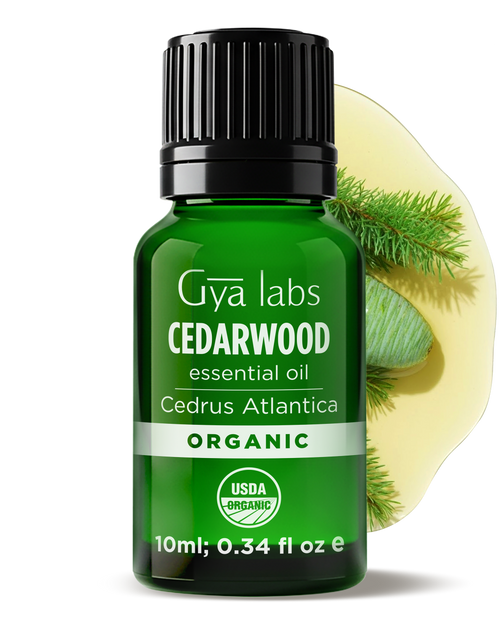
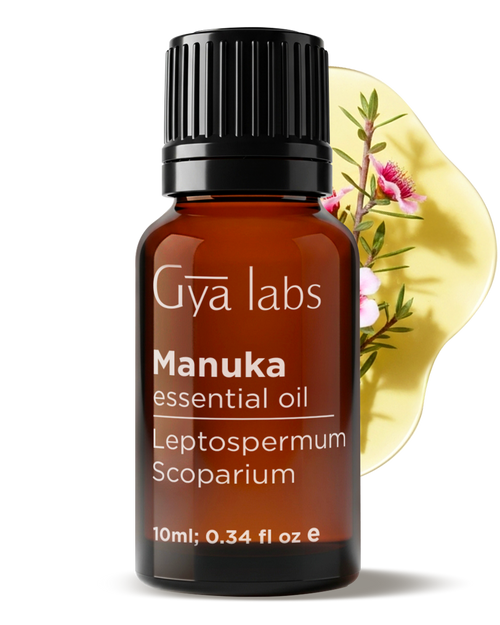
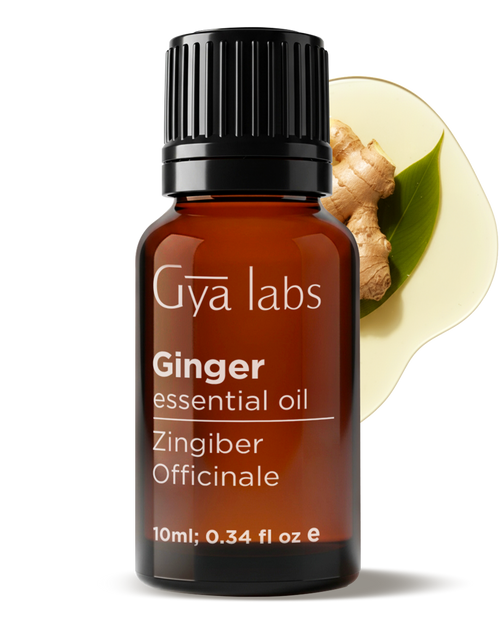
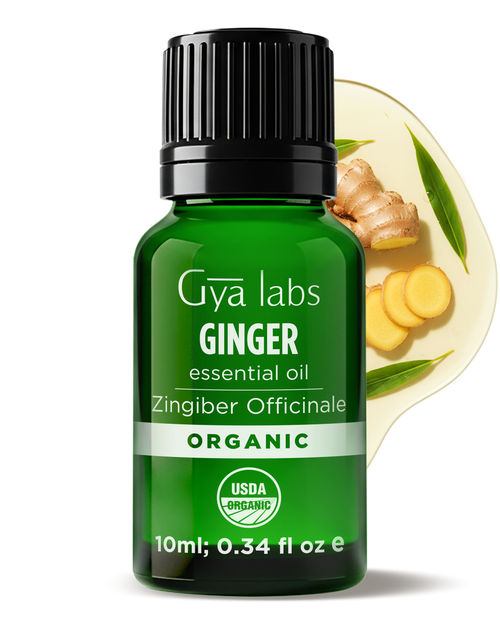
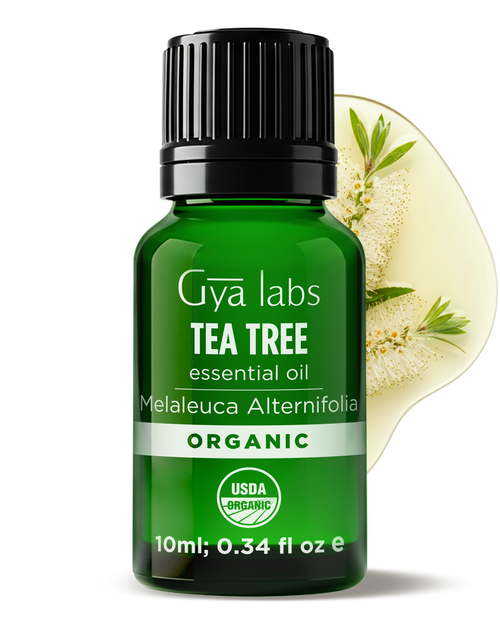
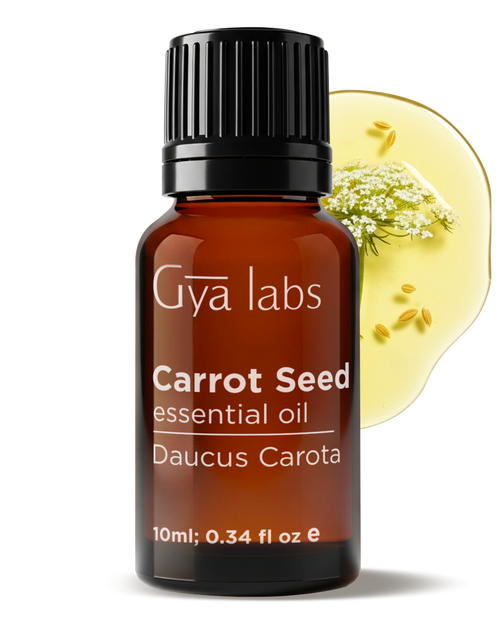
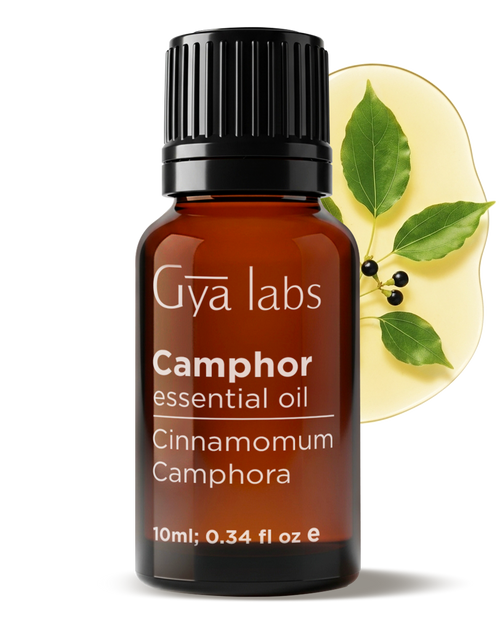
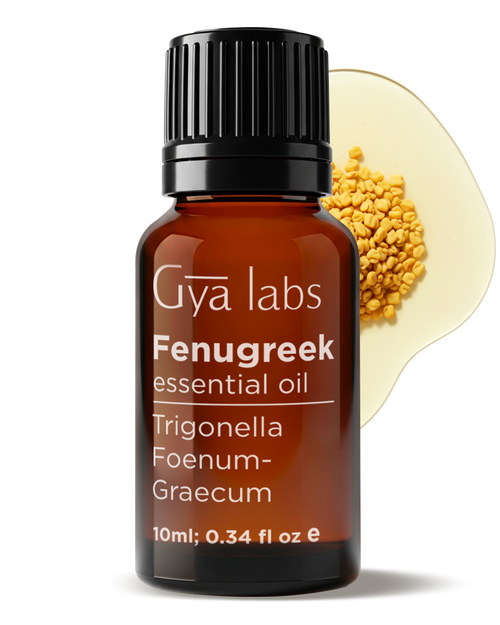
Dry, brittle, and hard to manage hair often responds best to a routine built around conditioning and moisture rather than any single product. Gya Labs' Dry Hair collection brings together 14 pure essential oils, including Rosemary, Cedarwood, Tea Tree, Manuka, Ginger, Bergamot, Carrot Seed, Oregano, Camphor and Fenugreek, so you can build a routine around your own hair texture and needs. These oils are meant to be diluted into a carrier oil rather than used on their own, and they can be worked into pre wash treatments, scalp massages, and a regular oiling routine. From lighter, brighter scents to richer, earthier ones, this collection makes it easier to build a simple routine centered on nourishment and softness.
Best Oils for Dry Hair
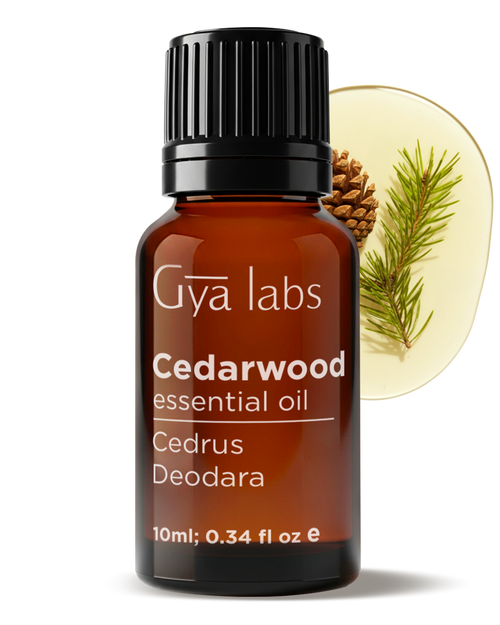
The right oil for dry hair really depends on your hair texture, how dry it is, and the finish you like. Within this collection, Bergamot and Tea Tree lean lighter and brighter, which suits finer strands, while Cedarwood and Manuka are richer and earthier, which can suit coarse or very dry hair better. How light or rich the finish actually feels also comes down to the carrier oil you dilute into, since these are essential oils rather than standalone conditioning oils. Jojoba is a lighter carrier option and argan is a richer one, and both work well as a base for any of the oils in this collection. When ends get very dry, less is more: work a small amount of a properly diluted blend into just the ends rather than through the whole length.
Essential Oils for Dry & Damaged Hair
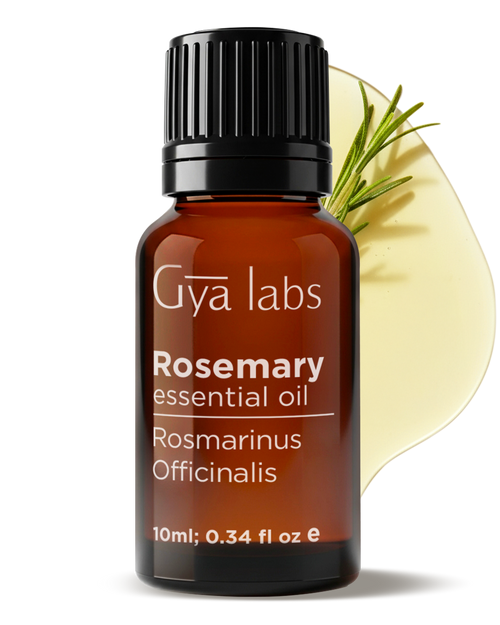
The best essential oils for dry hair can be worked into your own hair care blends alongside a suitable carrier oil. Rosemary, Cedarwood, Manuka and Tea Tree are popular additions to a hair and scalp routine in this collection, each bringing a different herbal or woody aroma. Essential oils for dry or damaged hair should always be diluted before topical use rather than applied directly to the scalp or hair.
It's worth separating cosmetic conditioning from repairing structural damage. Essential oils for damaged hair may complement a nourishing hair care routine, but they do nothing to reverse chemical, thermal or mechanical damage. If your hair is treated or heat styled often, pair any oil with a gentler wash and conditioning routine and less frequent heat, rather than expecting an oil alone to fix it.
Oils for Dry & Frizzy Hair
Dryness can add to rough texture and visible frizz, especially when hair isn't getting enough conditioning. Essential oils for frizzy hair are usually added to a diluted hair oil blend mainly for their aroma, while the actual conditioning comes from the carrier oil in the blend. A couple of drops of a properly diluted mixture can be worked through the lengths before a shampoo, or applied sparingly to the tips.
For frizz specifically, a carrier oil like jojoba or argan does most of the smoothing work, giving hair a silky, smooth feel without coating every strand. How much you use depends on your hair's thickness, porosity, and how you like to style it.
Essential Oils for Dry Scalp
A dry scalp needs a slightly different approach than dry lengths. Essential oils for a dry scalp should always go into a properly diluted scalp oil blend and should never be applied undiluted. A carrier oil is the right base for scalp massage, and it also lets you customize the aroma of your routine with oils like Rosemary or Tea Tree.
Oregano and Camphor are also part of this collection, and both are worth an extra note: Oregano is one of the stronger oils here and is generally used more sparingly and at a lower dilution than the rest, and Camphor isn't for internal use and is best kept away from young children. When choosing an oil for a dry scalp, consider a gentle aroma and your own scalp's sensitivity, and patch test any diluted blend before using it more widely. If your scalp has ongoing redness, flaking, itching, or sores, that's worth a doctor's visit rather than a home remedy.
Natural & Carrier Oils for Dry Hair
Carrier oils are useful building blocks for a customized hair care routine, and they're also what these essential oils need to be diluted into before use. Jojoba is a popular choice because of its light feel, which works well for many hair textures, while argan is often chosen for its richer, more conditioning character. Browse the full Carrier Oils collection for other options like rosehip.
You can also blend oils to get the texture and effect you want, mixing a lighter carrier with a richer one to make something that's easy to spread through your hair. As with any plant based product, start with a little and increase as needed to see how your hair responds.
Hair Oiling Routine
A consistent hair oiling routine is a simple addition to a weekly hair care schedule. Mix a diluted blend, massage it into your scalp and through the lengths, and let it sit before shampooing, especially if your hair feels weighed down. Rosemary is a common base for this routine because of its distinctive herbal aroma, and carrier oils like jojoba or argan pair well with essential oils like Cedarwood, Ginger, Carrot Seed, or Fenugreek if you want to build your own blend. Essential oils are very potent, so always dilute correctly and follow the product's instructions before applying anything to your scalp or hair.
Safe Use
A few general rules apply across this whole collection, on top of the oil specific notes above. Always dilute before applying to skin or scalp — our Safety and Dilution Guide has ratios for adults. If you're pregnant, nursing, or managing a health condition, check with a healthcare professional before adding a new essential oil to your routine, since Carrot Seed and Oregano are two that come up most often in that conversation. If you use a citrus oil like Bergamot, avoid direct sun on treated skin for the rest of the day, and keep Camphor away from young children and out of internal use. Patch test any new diluted blend, keep all oils out of reach of children and pets, and stop use if you notice irritation. These products are not intended to diagnose, treat, cure or prevent any disease.