


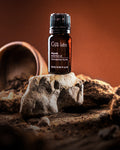

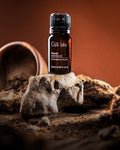
Quick Answer: Aroma stones and clay diffusers are pieces of unglazed terracotta, ceramic, or plaster that soak up essential oil and release it slowly as it evaporates. Add 2 or 3 drops to a small stone, let it soak in, and set it on a dish to protect your furniture. Citrus scents fade within hours; woody oils like cedarwood can last a day or more. To switch scents, wipe the stone with rubbing alcohol and let it air for a day.
Aroma stones and clay diffusers are the simplest way to enjoy essential oils: no flame, no water, no electricity. They’re ideal for a desk, nightstand, or car, and they make a thoughtful, low cost gift.
What Are Aroma Stones and Clay Diffusers?
Aroma stones and clay diffusers are made from porous materials: full of tiny holes that soak up oil like a sponge.
|
Type |
Material |
Best for |
|
Terracotta stones and discs |
Unglazed fired clay |
Desks, nightstands, gifts |
|
Clay pendants and hanging ornaments |
Unglazed clay |
Closets, cars, personal use |
|
Ceramic diffusers |
Unglazed ceramic (glazed parts don’t absorb) |
Decorative pieces |
|
Plaster or gypsum stones |
Plaster |
Small, light scent; very absorbent |
|
Lava stone beads |
Volcanic rock |
Jewelry, such as bracelets |
Glaze matters. A shiny glazed surface seals the pores, so oil sits on top instead of soaking in. Only the unglazed, matte parts of a diffuser absorb oil.
How Do Aroma Stones Work?
When you drop oil onto a stone, it soaks into the pores. From there, the oil’s scent molecules slowly evaporate into the air. This is called passive diffusion: no fan, heat, or power is involved.
How long the scent lasts depends mostly on the oil:
|
Oil type |
Examples |
How long the scent lasts on a stone |
|
Top notes |
Sweet orange, lemon, peppermint |
A few hours |
|
Middle notes |
Lavender, rosemary, geranium |
Several hours to a day |
|
Base notes |
Cedarwood, vetiver, sandalwood, frankincense |
A day or more |
Warm rooms and moving air make the oil evaporate faster. A passive diffuser scents the space close to it, roughly an arm’s length, not a whole room. For a larger space, use an ultrasonic or reed diffuser.
How to Use an Aroma Stone
1. Put it on a dish
Set the stone on a small ceramic dish, glass coaster, or saucer. Oil can seep through to the bottom of a porous stone and mark wood, paint, and fabric.
2. Add 2 or 3 drops
Use 2 or 3 drops for a small stone (about the size of a coin), and up to 5 or 6 for a larger piece. Drip the oil onto the top, not the edges, so it doesn’t run onto the dish.
3. Let it soak in
Wait a few minutes until the surface no longer looks wet. Thin oils like citrus soak in within a minute or two; thick oils like vetiver can take longer.
4. Place it close to you
Set it within arm’s reach: on your desk, nightstand, or a shelf near where you sit. The scent is strongest close to the stone.
5. Refresh when it fades
When you can’t smell it anymore, add 1 or 2 more drops. You may also simply have gotten used to the scent: step out of the room for a few minutes and come back before adding more.
For blend ideas, see Gya Labs’ Diffuser Blend Recipes. For a stone, scale the recipe down to 2 or 3 drops in total.
Best Oils for Aroma Stones
For longer lasting scent: choose woody and resinous oils such as cedarwood, frankincense, or sandalwood. They evaporate slowly and can last a day or more.
For a bright, fresh scent: sweet orange, lemon, and other citrus oils smell lovely but fade within a few hours. Add a drop of cedarwood to help them last.
For a soft, familiar scent: lavender sits in the middle, lasting several hours.
Try these 3 drop stone blends:
• Calm desk: 2 lavender + 1 cedarwood
• Bright morning: 2 sweet orange + 1 cedarwood
• Cozy evening: 2 cedarwood + 1 frankincense
Find all of these in the Gya Labs Essential Oil Singles collection.
How to Clean an Aroma Stone and Switch Scents
Oil soaks deep into a porous stone, so old scents can linger and mix with new ones. To refresh a stone:
1. Air it out. Leave the stone by an open window or in indirect sunlight for 24 to 48 hours. This alone removes most of the old scent.
2. Wipe with rubbing alcohol. For a stronger reset, dampen a cotton pad with rubbing alcohol and wipe the stone, then let it dry completely (a few hours) before adding new oil.
3. Bury it in baking soda. For stubborn scents, cover the stone in a bowl of baking soda for 24 to 48 hours, then brush it off.
Avoid soaking plaster or gypsum stones in water; they can soften or crumble. Never put an oiled stone in the oven or microwave to “bake off” the scent: essential oils are flammable.
Discoloration is normal. Light terracotta often darkens where oil has soaked in, and it doesn’t wash out. It doesn’t affect how the stone works. Some people keep one stone per scent to avoid mixing.
Will an Aroma Stone Stain Furniture?
It can. Oil can seep through the bottom of a porous stone, and essential oils can damage some furniture finishes, varnishes, and plastics.
• Always use a dish or coaster under the stone.
• Don’t add oil while the stone is still wet from the last application.
• Wipe spills straight away with a dry cloth.
• Keep stones off unsealed wood, painted surfaces, fabrics, and plastic.
Using a Clay Diffuser in Your Car
Hanging clay ornaments and vent clips are popular car diffusers. To use them safely:
• Secure it so it can’t swing into your view, fall under the pedals, or sit in front of an airbag.
• Use 1 or 2 drops only. Car interiors are small, and too much scent can be distracting.
• Keep oil off the dashboard and other plastic or leather surfaces; essential oils can mark them.
• Remove it in hot weather. Parked cars get very hot in summer, which makes oil evaporate quickly and can make the scent overpowering when you get in.
Safety Tips
• Small children: Many aroma stones are small enough to swallow, and essential oils are harmful if swallowed. Keep stones and oils out of reach.
• Pets: Passive stones release much less scent than an ultrasonic diffuser, which makes them a gentler option in homes with pets. But keep them where cats can’t knock them over or lick them, and where dogs can’t chew them. Citrus, peppermint, and tea tree are among the oils that can affect cats; see our room by room guide to essential oils and cats.
• Never put essential oils on your skin from a stone; they’re undiluted.
• Wash your hands after handling oiled stones.
Aroma Stone vs Reed Diffuser vs Ultrasonic Diffuser
|
|
Aroma stone |
Reed diffuser |
Ultrasonic diffuser |
|
How it works |
Porous clay absorbs oil; scent evaporates |
Reeds draw scented liquid up and release it |
Vibrating disc mists water and oil |
|
Power or water |
None |
None |
Power and water |
|
Scent reach |
Arm’s length |
Small room |
Medium to large room |
|
Oil used |
2 or 3 drops at a time |
20 to 30 ml of blend per refill |
5 to 8 drops per session |
|
Upkeep |
Add drops; air out to switch |
Flip reeds; refill monthly |
Refill, empty, clean weekly |
|
Best for |
Desk, nightstand, car |
Bathroom, hallway, shelf |
Living room, bedroom |
For a flame free option that scents a whole small room, see our DIY Reed Diffuser guide.
Final Thoughts
Aroma stones and clay diffusers are the simplest way to enjoy essential oils: no flame, power, or water. Add 2 or 3 drops, set the stone on a dish, and keep it close to where you sit.
Choose woody oils for a scent that lasts, citrus for a quick bright lift, and air the stone out or wipe it with rubbing alcohol when you want to switch. With a dish underneath and the stone kept out of reach of small children and pets, it’s an easy, reusable addition to your home fragrance routine.