



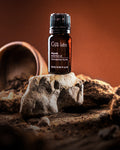

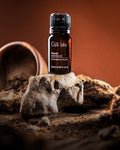
A cardamom cinnamon diffuser blend brings together warm spice, gentle sweetness, and aromatic depth for a cozy, spiced tea scent at home. Start with two drops of cardamom and one drop of cinnamon bark, then adjust with ginger, sweet orange, or woody oils to suit your space.
Rather than making every blend smell like a holiday spice mix, this guide shows you how to build a balanced, chai inspired scent. You’ll find four diffuser recipes, a cinnamon free option, pairing ideas, and the one safety rule that matters most with cinnamon: keep the session short.
Quick Answer: For a spiced tea scent, add 2 drops cardamom, 1 drop cinnamon bark, and 1 drop ginger to your diffuser. Cardamom leads with a fresh, sweet spice; cinnamon adds warmth. Because cinnamon bark is a strong irritant, diffuse blends that contain it for 10 minutes or less, in a ventilated room, away from pets and young children.
What Makes Cardamom and Cinnamon a Good Pairing?
Cardamom and cinnamon work well together because their scents are different but complementary. Cardamom brings a fresh, aromatic lift, while cinnamon adds deep, recognizable warmth. Together they suggest a cup of spiced tea without trying to copy a drink literally.
The final scent depends on the proportions and the other oils you add. A little citrus makes the blend brighter, ginger adds a sharper spice, and woody oils give it a deeper finish.
Cardamom: fresh, sweet, and gently spicy
Cardamom essential oil is steam distilled from the seeds of Elettaria cardamomum. Its scent is fresh, warm, and mildly spicy, with a soft floral sweetness. That freshness keeps a spice blend from feeling heavy, which makes cardamom a good lead note.
The reason is chemistry. One analysis of cardamom oil found about 41% alpha terpinyl acetate, which gives a sweet, slightly floral note, and about 26% 1,8 cineole, the same fresh, cool compound found in eucalyptus. That cool edge is what makes cardamom smell “bright” next to cinnamon.
Cinnamon bark: rich, warm, and very strong
Cinnamon bark oil gives the blend its warm, sweet spice. Most of its scent comes from cinnamaldehyde, which is also why it’s so strong and such a powerful irritant. Treat it as an accent, not a lead: one drop is usually plenty.
Too much cinnamon quickly turns sharp and piercing and drowns out the cardamom. Gya Labs Cinnamon Bark Essential Oil (Cinnamomum zeylanicum) recommends diffusing it for 10 minutes or less, so plan your blend around short sessions.
Essential Oils That Pair Well with Cardamom and Cinnamon
You don’t need a long list. Two or three complementary oils are enough. First decide which direction you want: classic spice, bright and citrusy, or deep and woody.
|
Essential oil |
Scent |
Role in a spiced tea blend |
|
Cardamom |
Fresh, sweet, gently spicy |
Leads the blend |
|
Cinnamon bark |
Rich, warm, sweet spice |
Adds warmth; use as an accent |
|
Ginger |
Warm, lively, peppery |
Adds a sharper spice |
|
Black pepper |
Dry, crisp, peppery |
Adds a chai like bite without heat on the nose |
|
Sweet orange |
Sweet, bright, citrusy |
Lightens the spice |
|
Cedarwood |
Dry, woody |
Gives a deeper finish |
|
Frankincense |
Resinous, balsamic |
Adds depth |
|
Clove |
Strong, warm, pungent |
A more traditional spice note; use sparingly |
These are general scent descriptions. The finished aroma depends on each oil and the proportions you use.
For a classic spiced tea scent
Combine cardamom and a small amount of cinnamon with ginger. Use less ginger than cardamom if you want the blend to stay soft rather than sharp. Black pepper is another classic chai spice and adds bite without more warmth.
For a brighter, citrus led scent
Sweet orange adds a bright, sweet note that balances warm spice. It’s a good choice if you like seasonal scents but don’t want everything to feel heavy. You can find cardamom, ginger, clove, black pepper, and more in the Gya Labs Spicy collection.
For a deeper, woodier scent
Cedarwood and frankincense deepen cardamom and cinnamon. Instead of highlighting the sweetness of spiced tea, this direction feels warm and woody. Use them as supporting notes and add them one at a time.
Cardamom Cinnamon Diffuser Blends to Try
These recipes use 4 or 5 drops, which suits most home ultrasonic diffusers. Use the water amount your diffuser recommends.
Diffusing time: any blend with cinnamon bark, run for 10 minutes or less, then turn the diffuser off and air the room. The cinnamon free blend can run for 30 to 60 minutes.
1. Classic Cardamom and Cinnamon
A warm, spice forward starting point
• 2 drops cardamom essential oil
• 1 drop cinnamon bark essential oil
• 1 drop ginger essential oil
Cardamom leads, with cinnamon for warmth and ginger for a fresh, lively edge. A simple place to start.
If the cinnamon feels too strong, leave it out and use cardamom with ginger instead. The goal is a balanced aroma, not the strongest possible spice.
2. Cozy Cardamom, Cinnamon, and Orange
A brighter blend with a sweet citrus edge
• 2 drops cardamom essential oil
• 1 drop cinnamon bark essential oil
• 2 drops sweet orange essential oil
Sweet orange softens the spice with a brighter, sweeter note. A good choice if you like warm fragrances but prefer a lighter finish. For more citrus, add orange rather than more cinnamon.
3. Woody Spiced Tea
A deeper scent with a dry, woody finish
• 2 drops cardamom essential oil
• 1 drop cinnamon bark essential oil
• 1 drop cedarwood essential oil
• 1 drop frankincense essential oil
Cedarwood and frankincense pull the blend away from sweet and citrusy toward something deeper and more grounded, while cardamom keeps the spiced tea character at the front. If it feels too dense, try cardamom and cedarwood first, then add the others one at a time.
4. Cinnamon Free Chai
For longer sessions, or homes with children or pets
• 2 drops cardamom essential oil
• 1 drop ginger essential oil
• 1 drop black pepper essential oil
• 1 drop sweet orange essential oil
This keeps the spiced tea feel without cinnamon. Ginger and black pepper supply the warmth and bite, and sweet orange rounds it out. Because it has no cinnamon bark, you can diffuse it for a normal 30 to 60 minute session.
For a different take on warm spice, compare these with our DIY pumpkin spice diffuser blend.
How to Adjust Your Spiced Blend
A good blend doesn’t have to smell exactly like a cup of chai. Use the same core oils to make it softer, brighter, or deeper.
If the cinnamon smells too strong
Cinnamon bark can quickly take over. Don’t add more oils to cover it. In your next test, cut the cinnamon or leave it out, and raise the cardamom or add a drop of sweet orange. Write down each version so you remember which ratio you liked.
If you want more warmth and spice
Add ginger or black pepper before reaching for more cinnamon. Clove gives a more traditional spice note, but it’s very strong. Use one drop at most, and don’t combine it with cinnamon in a long session.
If the blend feels too heavy
Go back to two oils, such as cardamom and sweet orange. A simple pair often smells more balanced than five strong spices together. Change one ingredient at a time so you can tell what each oil adds.
Seasonal Variations
Cardamom and cinnamon suit fall, but the pairing works year round:
• Fall: Cardamom, cinnamon, and ginger for a warm spice character.
• Winter: Cardamom, cinnamon, and cedarwood for a deeper, woody feel.
• Spring: Cardamom and sweet orange with just a touch of cinnamon.
• Year round: Keep cardamom in the lead and adjust the supporting notes to suit you.
Safety Tips for Spice Diffuser Blends
Spice oils are some of the strongest essential oils, so a few extra precautions matter.
• Keep cinnamon sessions short. Diffuse any blend with cinnamon bark for 10 minutes or less, then turn it off and ventilate. Don’t add extra cinnamon to make the scent stronger.
• Use 4 to 6 drops in total. More oil doesn’t make a better blend.
• Pets: Don’t diffuse cinnamon or clove in rooms where pets spend time, and always leave a door open so they can leave. Cats are especially sensitive.
• Children: Avoid diffusing cinnamon bark and clove around babies and young children. Use the cinnamon free blend instead.
• Pregnancy: Avoid cinnamon bark during pregnancy and breastfeeding, and check with your healthcare provider about other oils.
• Asthma or sensitivity: Strong spice scents can irritate airways. Stop if anyone coughs, sneezes, or gets a headache.
• Never use these blends on skin. Diffuser ratios are not skin dilutions. Cinnamon bark in particular can burn skin even when diluted.
See our essential oil safety and dilution guide for more detail.
Final Thoughts
Cardamom and cinnamon are a natural pair for a home that smells like spiced tea. Let cardamom lead with its fresh sweetness, use cinnamon as a single drop of warmth, and add ginger, sweet orange, or woody oils to take the blend in your own direction.
Keep blends simple, change one thing at a time, and keep cinnamon sessions short. When you want a longer session, or there are kids or pets at home, the cinnamon free chai blend gives you the same cozy feel.