



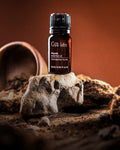

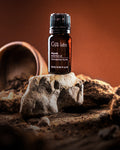
Cedarwood oil is a warm, woodsy essential oil used in evening diffuser blends, hair and scalp oils, and grounding daytime aromas. A simple bedtime blend: 3 drops cedarwood, 2 drops lavender, 1 drop frankincense in a diffuser. For skin or hair, dilute at 1% (1 drop per teaspoon of carrier oil) and patch test first.
There is something instantly comforting about the smell of cedarwood. Warm, dry, woody, slightly smoky and reminiscent of being outdoors, it has the kind of aroma that can make a room feel calmer without filling it with a heavy perfume.
I particularly like cedarwood when I want an essential oil that feels uncomplicated. It can make a diffuser blend feel warmer, give a hair care routine a distinctly earthy character, or add depth to a personal fragrance. If you're new to essential oils, it is also one of those scents that gives you plenty of room to experiment.
Let's look at what makes cedarwood so useful and how you can incorporate it into everyday routines.
Meet Cedarwood: Warm & Woodsy
Cedarwood essential oil comes from the wood of cedar trees and is known for its distinctive woody aroma. Depending on the type of cedarwood and how the oil is produced, the scent can range from dry and earthy to warm, slightly sweet, or subtly smoky.
Gya Labs actually carries two versions of cedarwood, and it's worth knowing the difference. The standard cedarwood essential oil is a blend of Virginia cedarwood (Juniperus virginiana), grown in the US, and Atlas cedarwood (Cedrus atlantica), grown in Morocco, both steam distilled from the wood. If you'd rather use a single origin oil, the organic Atlas cedarwood is worth a look. It comes from that same Moroccan Atlas cedar tree and tends to smell a touch sweeter and spicier than the blend. Either one works well in the recipes below.
Unlike some essential oils that immediately dominate a blend, cedarwood tends to play well with others. That's one reason it appears so often in personal fragrance, grooming products, diffuser blends, and aromatherapy routines.
For me, cedarwood is especially appealing because it doesn't feel overly complicated. You don't need a dozen ingredients to make it work. A few drops can give a simple blend more warmth and depth.
What does cedarwood smell like?
Think of a freshly cut piece of wood, a quiet forest trail, or the comforting smell of a wooden cabin. Cedarwood has a dry, earthy character with a gentle sweetness underneath it.
It's also one of the reasons cedarwood is often included among grounding essential oils. Its aroma has a steady, understated quality that works particularly well when you want your surroundings to feel cozy and settled.
Cedarwood also makes a useful base note in fragrance blends. It can soften brighter citrus oils, complement herbal notes, and add depth to floral scents without making the final blend smell overwhelmingly woody.
If you want to go deeper on the scent itself, including how Atlas and Virginia cedarwood compare, I put together a full guide to what cedarwood smells like.
Some combinations worth trying include:
• Cedarwood and lavender for a soft, relaxing evening aroma
• Cedarwood and bergamot for a fresh yet woody profile
• Cedarwood and frankincense for a warm, resinous blend
• Cedarwood and sandalwood for a rich, deeply woody aroma
• Cedarwood and peppermint for a crisp contrast
If sandalwood is the oil you're weighing cedarwood against, I've also written a side by side comparison of cedarwood and sandalwood.
And if you like the idea of an entire collection built around this kind of warm, woodsy character, our Earthy Woodsy collection is a good place to browse.
For Restful Evenings
Evening routines don't have to involve an elaborate ritual. Sometimes changing the atmosphere around you is enough to signal that the busy part of the day is over.
This is where I find cedarwood particularly useful.
Its warm aroma works beautifully in a diffuser while reading, journaling, stretching, or simply getting ready for bed. Rather than thinking of cedarwood as something that “makes you sleep,” I actually prefer to look at it as a scent that might aid in creating a more soothing environment for your bedtime routine.
That distinction matters. Essential oils are best used as part of a sensory routine rather than as a replacement for healthy sleep habits.
A simple bedtime diffuser blend
Try this combination when you want a warm, peaceful aroma in the evening:
• 3 drops cedarwood essential oil
• 2 drops lavender essential oil
• 1 drop frankincense essential oil
Add the blend to your diffuser according to the manufacturer's instructions and let the aroma become part of your wind down routine.
I like this combination because lavender keeps the blend soft while frankincense adds a subtle resinous note. Cedarwood sits underneath both, giving the overall aroma a warm, woodsy finish.
If you prefer something less floral, try cedarwood with sandalwood instead.
Cedarwood for a slower evening
You can even use cedarwood without a complicated recipe. Drop a couple of drops into a diffuser, turn down the lights, turn off your phone for a little while, and allow yourself a moment of peace.
The essential oil isn't the entire routine. The ritual around it matters too.
Before You Try These Blends
Always dilute cedarwood in a carrier oil before applying it to skin or hair, patch test a new blend first, and keep it away from eyes and other sensitive areas. If you're pregnant, nursing, managing a health condition, or taking medication, check with a healthcare provider before adding a new essential oil to your routine. Full guidance is in the Safety Notes section below.
For Hair & Scalp
Cedarwood has a naturally earthy scent that fits surprisingly well into hair and grooming routines.
If you enjoy making your own hair oil or scalp massage blend, cedarwood can add a warm aromatic note while giving the formula a more distinctive character.
When it comes to cedarwood oil for hair, I recommend keeping expectations realistic. Essential oils are not the answer to any hiccup with how your hair grows or functions. Instead, cedarwood is more of an aromatic component of a complete hair and scalp care regimen.
DIY Cedarwood Hair Oil
If you enjoy simple DIY blends, here's an easy starting point.
You'll need:
• 1 tablespoon jojoba oil
• 1 tablespoon sweet almond oil
• 2 drops cedarwood essential oil
• 1 drop lavender essential oil
How to make it:
Combine the carrier oils in a small, clean bottle. Add the essential oils and close the bottle securely. Gently roll or shake it to combine.
Apply a small amount to your fingertips and massage it through the scalp or smooth a little through the lengths of your hair, depending on your routine.
Because essential oils are highly concentrated, don't apply cedarwood essential oil directly to your scalp or hair without diluting it first.
Why carrier oils matter
Carrier oils do more than simply “carry” essential oils. They dilute concentrated essential oils so they can be incorporated more comfortably into topical routines.
Jojoba, coconut, sweet almond, argan, and grapeseed oils are all commonly used in DIY hair and grooming blends.
If your hair is already prone to feeling weighed down, start with a very small amount of the finished blend. You can always add more, but it is much harder to remove excess oil.
For Grounding Calm
Some essential oils immediately announce themselves. Cedarwood is different.
Its aroma tends to sit quietly in the background, which is exactly why I enjoy using it when I want a space to feel warm and settled.
This makes cedarwood particularly useful in grounding diffuser blends. Again, “grounding” here describes the sensory experience of the aroma, not a medical effect.
My reliable grounding blend
For a warm, earthy diffuser blend, try:
• 3 drops cedarwood
• 2 drops frankincense
• 2 drops bergamot
Cedarwood is responsible for the woody base of the mix, frankincense for its resinous component and bergamot for a fresher opening.
For a milder fragrance, swap out the bergamot for lavender.
If you want something more distinctly woodsy, combine cedarwood with sandalwood and vetiver.
Cedarwood for a calm workspace
Cedarwood doesn't have to be reserved for bedtime.
I've also found woody aromas useful when I want my workspace to feel less sterile. A small diffuser blend can make a home office feel warmer, particularly during long periods spent indoors.
Try:
• 2 drops cedarwood
• 2 drops bergamot
• 1 drop peppermint
The peppermint adds freshness while cedarwood keeps the blend from becoming too sharp.
How to Use & Dilute
There are several easy ways to incorporate cedarwood essential oil into your routine.
Diffusion
Diffusing is the easiest of all options. Place cedarwood in the diffuser as instructed by the device manufacturer.
To begin simply, use cedarwood by itself before layering more complex mixtures. This allows you to experience the aroma and make your own informed decisions about what to add with it.
Topical use
For skin, hair, beard and scalp applications, use a carrier oil to dilute cedarwood.
A 1% dilution is a good place to start for daily personal care, especially if you are a beginner or have sensitive skin.
1% dilution = 1 drop essential oil per teaspoon of carrier oil.
For anything beyond the basics, our essential oil safety and dilution guide walks through ratios for different applications and situations.
In a hair or beard oil
Cedarwood does very well in basic grooming blends.
For example:
• 1 tablespoon jojoba oil
• 1 tablespoon coconut oil
• 2 drops cedarwood
• 1 drop sandalwood
This creates a warm, woody aromatic profile without requiring a long list of ingredients.
If grooming blends are your thing, I've rounded up more ideas in this guide to essential oils for men: beard oil, cologne, and grooming blends.
In a personal fragrance
Cedarwood is naturally suited to fragrance because it can function as a base note.
Try combining it with brighter oils such as bergamot or sweet orange, then add another deeper note such as sandalwood or frankincense.
The result can smell considerably more complex than the ingredient list suggests.
Safety Notes
Essential oils are concentrated aromatic extracts, so a little goes a long way.
Always dilute before topical use
Avoid applying undiluted cedarwood essential oil directly to your skin. Use a suitable carrier oil and choose a dilution appropriate for your intended application.
Patch test first
If you're trying a new topical blend, test a small amount of the diluted formula on a small area of skin first. Stop using it if irritation occurs.
Keep essential oils away from eyes
Avoid contact with the eyes and other sensitive areas. If accidental contact occurs, follow appropriate first aid guidance rather than applying more essential oil.
Pregnancy, nursing, and medication
One thing I always mention: if you're pregnant, nursing, managing a health condition, or taking medication, check with your doctor before adding a new essential oil to your routine. The same goes if you're using it around young children, where a lighter hand with dilution is the safer choice.
Store it properly
Keep cedarwood oil tightly closed and store it away from excessive heat and direct sunlight. Keep the bottle somewhere children cannot access it.
What about pets?
Essential oils require extra caution around animals because pets can respond differently to concentrated aromatic compounds.
Never spray or apply cedarwood essential oil on your pet, on their bedding, or to ingest it. When using a diffuser around animals, ensure the room is well ventilated and animals can freely exit the room.
If you have concerns about using essential oils around a particular pet, especially if they have an existing health condition, ask a veterinarian for guidance specific to that species.
Can I diffuse cedarwood at night?
You can incorporate cedarwood into an evening diffuser routine, provided your diffuser is used according to its manufacturer's instructions and the room is appropriately ventilated.
There's also no need to run a diffuser continuously throughout the night. A short period of diffusion as part of your wind down routine may be enough to enjoy the aroma.
Final Thoughts
Cedarwood is one of those essential oils that doesn't need to work hard to make an impression.
Its warm, dry, woodsy aroma can bring depth to a diffuser blend, add character to a hair or beard oil, or give a personal fragrance a richer base. It also happens to be incredibly easy to pair with other oils, which makes it a useful bottle to have if you're building an essential oil collection.
Start with something simple. Try cedarwood and lavender in the evening, cedarwood and bergamot during the day, or cedarwood with sandalwood when you want something distinctly warm and woodsy.
You don't need a complicated routine. Sometimes one thoughtfully chosen oil is enough to change the atmosphere around you.