



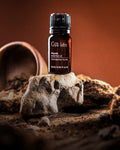

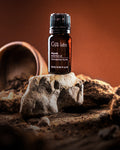
If you're caring for an aging parent, lavender, bergamot, and frankincense are among the best essential oils for caregivers. While they aren't a substitute for rest or professional support, they can become part of a simple self care routine that encourages moments of calm and relaxation. Whether you prefer diffusing them during quiet time or inhaling them from a personal roller, even a few intentional minutes each day can help you reconnect with yourself. If caregiver stress feels constant or overwhelming, it's important to seek support from a healthcare professional or caregiver support service.
Caring for Someone You Love Can Be Beautiful, and Exhausting
No one really prepares you for what it feels like to care for an aging parent.
One day you're asking them for advice, and the next you're helping them keep track of appointments, preparing meals, organizing medications, or simply making sure they feel comfortable at home.
It's an act of love, but it's also one that quietly asks a lot from you.
Many caregivers become so focused on someone else's needs that their own well being slowly slips to the bottom of the list. Meals become rushed, hobbies disappear, and moments of genuine rest become increasingly rare.
I've noticed that self care often feels like another task on an already impossible to do list. Yet I've also learned that it doesn't have to involve an entire afternoon at a spa or a complicated wellness routine. Sometimes it's as simple as taking five uninterrupted minutes to breathe deeply while a favorite aroma fills the room.
That's one reason I appreciate essential oils for relaxation and self care. They create small rituals that remind us to pause, even if only briefly.
No essential oil can remove the responsibilities of caregiving, but the ritual itself can become an important reminder that your well being matters, too.
The Caregiver's Invisible Load
Most people see the practical side of caregiving.
• Driving to appointments.
• Preparing meals.
• Helping around the house.
What they don't always see is the emotional weight that comes with it.
There may be a feeling in the back of your mind asking, "Am I doing the right thing?" Taking even small amounts of time for yourself may trigger a feeling of guilt in you. Your thoughts may not be in rest even as your body is; thoughts of things to do for tomorrow, future visits to the doctor and so forth.
Over time, those thoughts can become emotionally draining.
That's why essential oils for caregiver relaxation aren't really about fixing a problem. They're about creating intentional pauses throughout the day.
Gradually, connecting that smell to just a few moments of quiet, my brain's alarm bell begins to chime, or, more accurately, gently suggests I put on the slow down brakes. It moves from the oil itself to more about what it entices in me. Those few minutes of lavender diffusing while I pore over a book, for example, or smoothing some favourite scent on my wrists before bed can gradually come to be something that I look forward to with relaxation all day.
Self care isn't selfish, at all.
For caregivers, it's essential to caring well.
Calming Essential Oils for Relaxation
When people ask me what essential oils help caregivers, I usually recommend starting with just a few versatile oils instead of buying an entire collection.
Each one offers a different aromatic experience, allowing you to build routines that fit different moments throughout the day.
Lavender
Lavender is often the first oil I recommend because it's incredibly versatile.
Its gently flowery scent goes without saying that evening activities, cosy read time, and lounging after a hard day with tea on the couch lend themselves well to this scent – and that's not all. Just don't do anything “extra,” if possible-while you're already at something you enjoy, use diffusion lavender oil. Your evening ritual will be easy to adopt when you link the scent to one that's established.
It's one of my favorite calming essential oils for caregivers because it feels gentle without demanding anything in return.
Bergamot
Some days don't call for sleep.
They call for a fresh start.
That's where bergamot shines.
I particularly like its lively citrus scent for the morning. It is noticeable but not at all overwhelming and makes it really easy to write, meditate, stretch, or just have a good day when I'm breathing deeply in a morning session before tackling the tasks that fill the day.
Whenever my schedule feels especially full, bergamot helps create the feeling of opening a window and letting fresh air into the room.
Frankincense
There's something quietly comforting about frankincense.
Its warm, resinous aroma encourages slower moments, making it a wonderful addition to evening routines.
Many people enjoy frankincense for relaxation because it pairs beautifully with mindfulness practices, meditation, or simply unwinding with a book after caregiving responsibilities have settled for the day.
I often reach for frankincense when I want the atmosphere around me to feel peaceful rather than busy.
Sweet Orange
Caregiving can sometimes make every day feel like a checklist.
Sweet orange brings a little brightness back into the routine.
The happy citrus aroma goes well in the afternoon when I get a little bit tired. It's one that I also add to my diffuser when tidying house or doing cooking after that. So fresh and optimistic and actually feel warm enough after all of my work.
Cedarwood
While lavender's job is to relax me, cedarwood's job is to get me into a peaceful, solid grounded place. Its warm, deep, woodsy scent offers the perfect feeling of comfort at home, and especially on slow evenings indoors.
I often recommend cedarwood to caregivers who enjoy earthy scents over floral ones. It blends beautifully with lavender or frankincense and creates an atmosphere that feels calm, cozy, and unhurried.
Which Oil Fits Your Routine?
If you're unsure where to begin, this quick guide can help you choose an oil based on the moment you're trying to create.
|
Essential Oil |
Aroma Profile |
Best Time to Use |
Ideal For |
|
Lavender |
Soft, floral |
Evening |
Quiet moments and winding down |
|
Bergamot |
Bright, citrus |
Morning |
Starting the day with a positive mindset |
|
Frankincense |
Warm, resinous |
Evening |
Meditation, reflection, and relaxation |
|
Sweet Orange |
Fresh, fruity |
Afternoon |
Creating an uplifting atmosphere |
|
Cedarwood |
Woody, grounding |
Evening |
Relaxing after a busy day |
Each of these oils can become part of your own essential oils for relaxation and well being routine. There's no perfect formula. The best choice is the one that encourages you to pause, breathe deeply, and take a few moments for yourself before returning to the people who depend on you.
A Quick Self Care Ritual That Fits Into a Busy Day
One of the biggest misconceptions about self care is that it requires extra time.
As a caregiver, you may not have an uninterrupted hour to yourself, and that's okay. Even five intentional minutes can become a meaningful reset when practiced consistently.
Instead of thinking of self care as another item on your to do list, try weaving it into moments that already exist in your day.
Here's a simple ritual I come back to whenever life feels especially busy.
A Five Minute Caregiver Reset
Step 1: Find a quiet space
Unwind somewhere relaxing - the porch, favorite easy chair or even your parked car before heading into the house for the night.
Step 2: Choose a calming aroma
Diffuse lavender or frankincense, or inhale your favorite blend from a personal aromatherapy roller.
Step 3: Take slow, steady breaths
Inhale deeply through your nose for four counts, then exhale slowly for four counts. Repeat several times while letting your shoulders relax.
Step 4: Let your mind settle
Rather than thinking about everything left to do, simply notice your breathing and the aroma around you.
Step 5: Return gently
When you're ready, continue with your day knowing you've taken a few moments to care for yourself, too.
This simple practice is one of my favorite ways to use essential oils for relaxation and well being because it feels realistic. You don't need a perfect morning routine or an empty calendar. You simply need permission to pause.
Are Essential Oils Safe to Use Around Elderly Parents?
This is one of the questions I hear most often, and it's an important one.
In many cases, essential oils can be enjoyed around older adults when they're used thoughtfully and according to the product directions. The goal isn't to fill a room with strong fragrance, but to create a light, comfortable atmosphere that everyone can enjoy.
If you're using essential oils for the elderly, a few simple practices can help make the experience more enjoyable.
• Diffuse for brief, 10 minute intervals rather than continuously.
• Keep the room well ventilated.
• Ensure you're not choosing too strong scents.
• Everyone has different preferences and levels of sensitivity to scent (or lack thereof), kindly respect them.
• If applying a diluted blend topically, perform a patch test first and follow the recommended dilution guidelines.
Some older adults may prefer little to no fragrance at all, and that's perfectly okay. Aromatherapy should always feel pleasant, never overwhelming.
If your parents have ongoing medical concerns, respiratory sensitivities, or you're unsure whether aromatherapy is appropriate for their situation, it's best to speak with their healthcare provider before introducing essential oils into their environment.
For a detailed guide on essential oil safety and health considerations specific to older adults, see the Gya Labs guide on essential oils for the elderly: health benefits and safety.
Dilution and topical use guidance in this post is consistent with recommendations from the National Association for Holistic Aromatherapy (NAHA).
DIY Caregiver Relaxation Roller
Having a personal roller bottle nearby makes it easy to create a small moment of calm throughout the day.
I like keeping one in my bag because it's simple, portable, and doesn't require setting up a diffuser.
Patch Test First
Before applying this blend to a wider area of skin, apply a small amount to the inside of your wrist and wait 24 hours. If redness, itching, or any reaction develops, do not proceed. Dilute further or try an alternative carrier oil if sensitivity occurs.
What You'll Need
• 10 mL roller bottle
• Fractionated coconut oil or jojoba oil
• 3 drops lavender essential oil
• 2 drops bergamot essential oil
• 2 drops frankincense essential oil
Instructions
• Add the essential oils to the roller bottle.
• Fill the remaining space with your carrier oil.
• Secure the roller top and gently shake to combine.
• Roll a small amount onto your wrists or the back of your neck before taking a few slow breaths.
This is one of my favorite essential oils for caregiver relaxation blends because it combines soft floral, bright citrus, and grounding resinous notes into an aroma that feels balanced throughout the day.
When Caregiver Stress Needs More Than a Break
Caregiving can be emotionally demanding, especially when it continues for months or years.
There may be days when even your favorite routines don't feel like enough.
That's okay.
Essential oils can support moments of relaxation and encourage healthy self care habits, but they aren't a replacement for professional care or emotional support.
If you notice that feelings of exhaustion, sadness, or overwhelm are becoming constant, or if caregiving is affecting your sleep, relationships, or ability to enjoy everyday life, it's important to reach out for additional help.
Talk to your doctor, licensed professional, or a caregiver support group. Asking for care is not the same thing as saying I am failing. Asking for care helps you remember caregivers need care too.
Gya Labs Essential Oils for Caregivers
The calming and grounding essential oils featured in this post are available through the Gya Labs calm and relaxation collection, which brings together lavender, bergamot, frankincense, cedarwood, and sweet orange alongside other oils suited to evening routines, stress relief, and moments of intentional rest.
Final Takeaway
Caring for an aging parent is one of the most rewarding, impactful roles many of us will play in our lives. It is full of love, patience, and so many small, unseen acts of kindness. While no single essential oil is going to take away every burden, you can carve out a few sacred moments to care for yourself while caregiving.
Whether it's the delicate aroma of lavender or the bright scent of bergamot, the woodsy fragrance of cedarwood, or the ancient scent of frankincense. The goal remains the same: creating a little bit of calm that helps you reconnect to yourself by creating a ritual of mindful pause and breathing.
The key is to remember, caring for yourself as an aging adult's caregiver isn't separate from providing care. It is, in fact, an integral aspect of the process.