


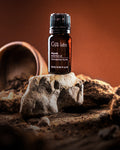
If spring leaves your home feeling dusty, stuffy, or less comfortable than usual, you are not alone. Seasonal changes often bring more pollen and environmental irritants into daily life, which is why so many people start looking into essential oils for allergies and other comfort-focused home routines.
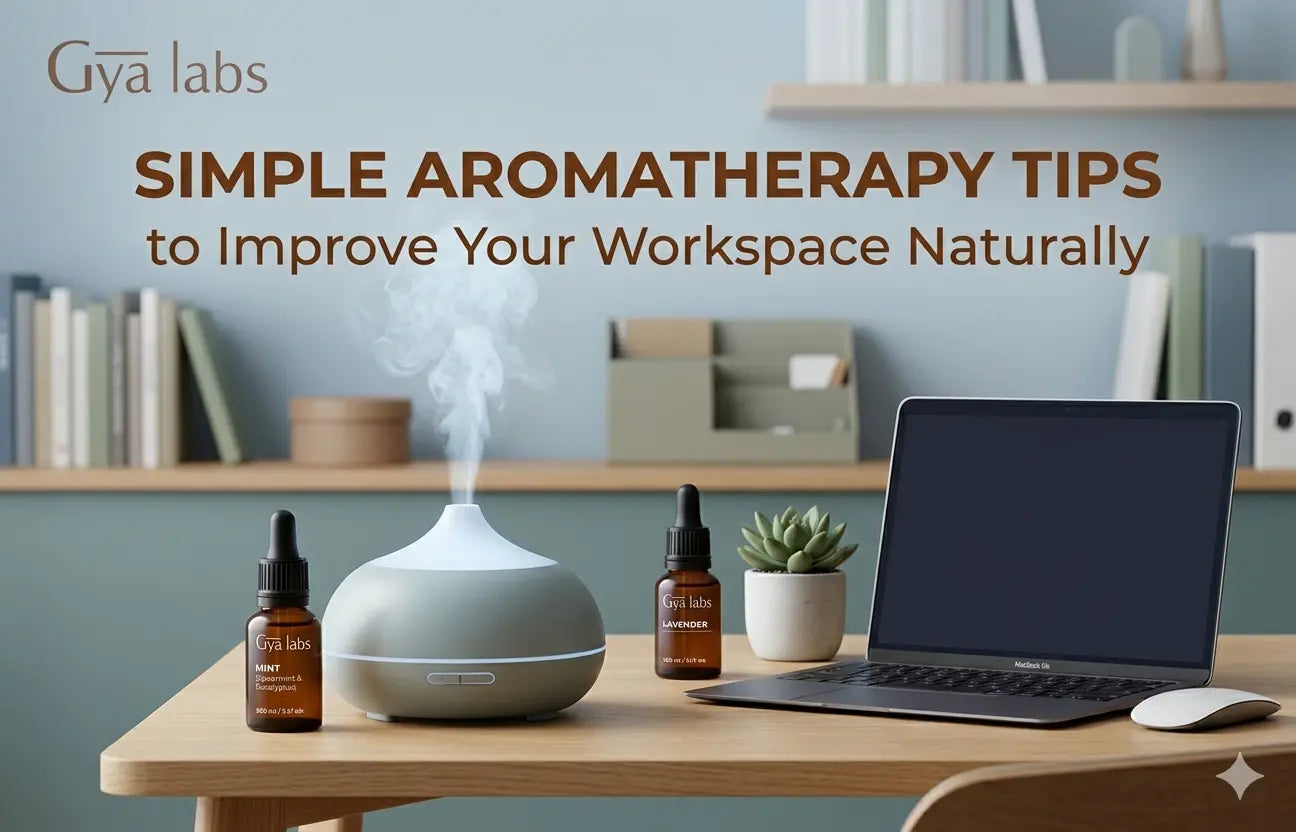
Many people use aromatherapy oils to create fresh, clean and calming indoor spaces during springtime and other seasonal changes. Peppermint, lavender, eucalyptus, tea tree and lemon essential oils are commonly used in diffuser blends, room sprays and simple seasonal rituals. These oils are used for their aroma only. They are not a treatment for seasonal allergies and do not replace medical care.
The Gya Labs natural essential oils collection provides beginners with an opportunity to assess common essential oil selections which people use for their daily aromatherapy needs.
Why People Use Essential Oils for Seasonal Home Routines
Spring is a time when many homes feel less comfortable because of pollen, dust, dryness, and other environmental triggers. That is why conversations around essential oils and allergies come up so often this time of year.
People usually turn to oils for allergies because they want to:
- create a fresher indoor environment
- build a more relaxing daily routine
- make their space feel cleaner during seasonal changes
- use essential oils for allergies diffuser blends in the morning or evening
That said, it is important to keep expectations realistic. Essential oils are best understood as part of a comfort-focused home routine, and they are not a replacement for medical care or allergy treatment.
Which Essential Oils Are Popular for a Fresh Home?
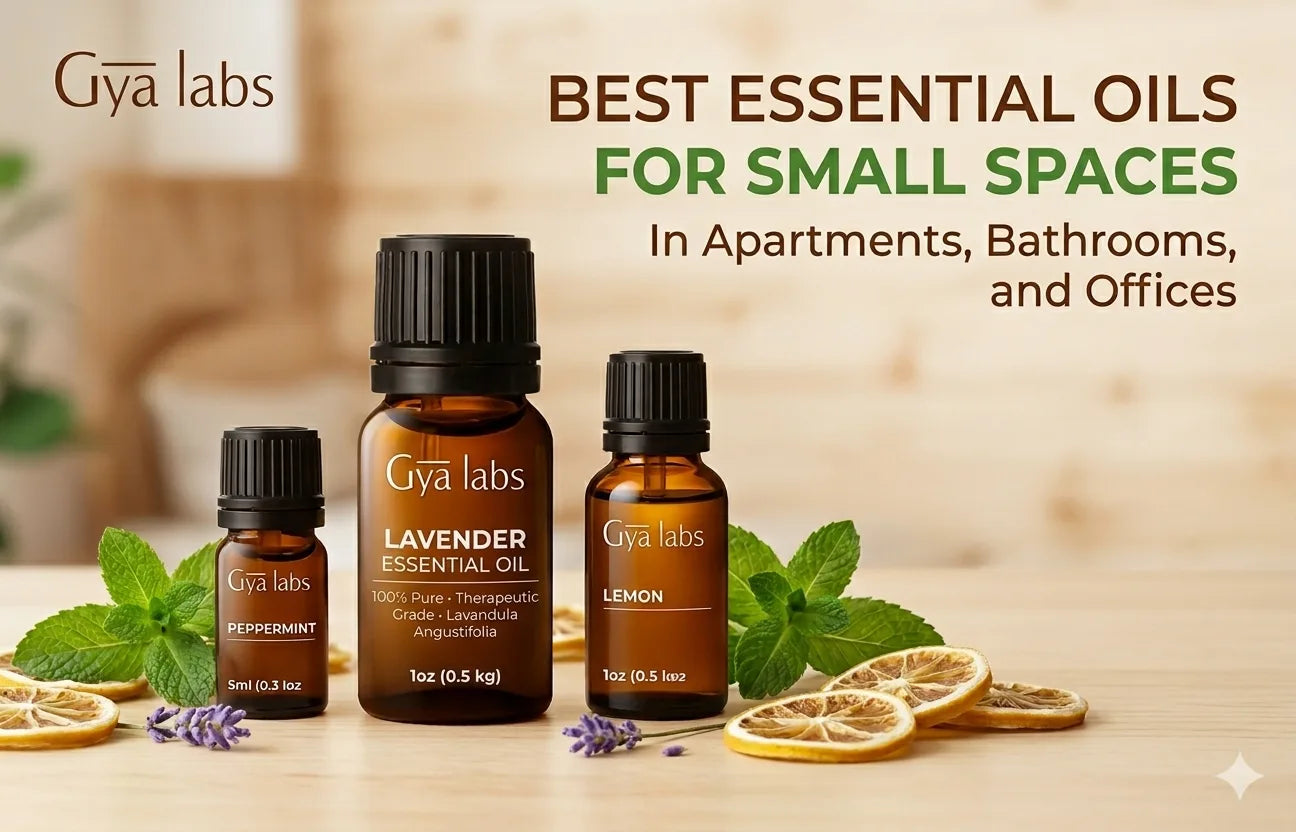
If you have ever wondered what essential oils are good for allergies, the most commonly used options include peppermint, lavender, eucalyptus, tea tree, and lemon. These are often considered the best essential oils for allergies because they are popular in seasonal diffuser routines and home-freshening blends.
Below are five of the most commonly used oils.
1. Peppermint Essential Oil
Peppermint oil is widely used in home aroma routines. It's known for its refreshing, cooling scent, which makes it a popular choice for diffuser blends and room sprays.
Many people looking for the best essential oil for allergies start with peppermint because it smells clean and refreshing. If you want a product-specific internal link here, peppermint essential oil for allergies is the strongest match.
You can also pair peppermint with fresh-home content, like DIY peppermint oil room sprays, if you want to build a room-spray routine for spring.
2. Lavender Essential Oil
Lavender is widely used in home aroma routines for its soft floral scent, which makes it a popular choice for evening diffuser blends.
. The product helps users to achieve relaxation.
3. Eucalyptus Oil
It creates a clean, fresh feel and is often used in diffusers and room sprays.
4. Tea Tree Oil
It’s often used in tea tree oil for allergies routines. This oil is commonly included in cleaning and diffuser blends.
5. Lemon Essential Oil
Lemon oil is often included in essential oil routines for seasonal allergies because it adds a bright, uplifting aroma to the space. It is especially useful in daytime blends when you want the room to feel lighter and fresher.
For readers interested in broader home-use ideas, essential oils for fresh air is a strong internal link that fits naturally with this section.
Seasonal Diffuser Blends
Many people prefer to use essential oils in a diffuser for allergies because it is one of the simplest ways to enjoy them during seasonal changes. If you are looking for diffuser essential oils for allergies, here are a few easy blends to try.
Fresh Morning Blend
- 2 drops peppermint
- 2 drops of lemon
- 1 drop eucalyptus
Calm Spring Blend
- 2 drops lavender
- 1 drop of lemon
- 1 drop frankincense
Clean Air Blend
- 2 drops of eucalyptus
- 2 drops of tea tree
- 1 drop of lemon
These are also good examples of essential oils to diffuse for allergies when your goal is to create a fresher, more comfortable indoor space.
How Do You Use Essential Oils at Home?
If you are wondering how to use essential oils for allergies, the most common methods are simple and practical.
1. Diffuser
Using a diffuser is one of the easiest ways to enjoy essential oils for allergy diffuser routines.
- Fill your diffuser with water.
- Add 3-5 drops of oil.
- Diffuse for 20 to 30 minutes in a ventilated room.
2. Room Spray
A room spray can make entryways, bedding, and living spaces feel fresher.
- Fill a spray bottle with water.
- Add a few drops of essential oil.
- Shake before use.
- Mist lightly around the room.
For this method, DIY peppermint oil room sprays are a very relevant internal link.
3. Seasonal Cleaning Routine
Some people add a few drops of tea tree, lemon, or eucalyptus to their cleaning routine to maintain a fresher home environment.
4. Diluted Topical Use
Some readers searching for essential oils for allergic reactions or essential oils for allergies may also be looking for topical use ideas. In those cases, it is important to be careful: essential oils should always be diluted properly and patch tested before skin use, and they are not a treatment for allergic reactions. For safety basics, internal links to dilution or beginner-use pages are a better fit than making strong topical claims.
Gya Labs Oils You Can Explore
Start your day with Peppermint Essential Oil (mentha piperita) because it delivers a refreshing and cooling aroma which enhances your morning experience through seasonal changes. People use Lavender Essential Oil in their routines because it helps them create a peaceful and relaxing atmosphere which leads to better sleep at night.
For a clean and fresh indoor atmosphere, particularly when dealing with environmental triggers, Eucalyptus Essential Oil can be used in diffuser blends throughout the day.
If you prefer maintaining a clean and refreshed space, Tea Tree Oil is often included in routines that focus on freshness and daily home care.
And for a light, uplifting touch, Lemon Essential Oil works well in daytime blends to create a bright and clean environment.
You can rotate these oils based on your routine and preference. You can also explore these options within Gya Labs’ essential oils collection to build a consistent and personalized seasonal routine.
Are Essential Oils Safe for Seasonal Use?
They are commonly used when:
-
diluted properly
-
used in small amounts
-
diffused in ventilated spaces
Can Essential Oils Replace Antihistamines?
Essential oils are used for:
-
supporting environment and comfort
-
complementing routines
They are not a replacement for medical treatment.
Helpful Tip: Natural Home Freshness
A clean indoor space is a pleasant place to be in any season. You can also explore how essential oils are used as natural alternatives in essential oils natural air fresheners replace synthetic fragrance, especially for everyday home care
essential oils natural air fresheners replace synthetic fragrance, especially for everyday home care.
Final Takeaway
Start your morning with the bright scent of peppermint and lemon essential oils in a diffuser. Keep your surroundings pleasant and refreshing by diffusing eucalyptus during the day. In the evening, lavender is a popular choice for a calming wind-down routine. These oils are used for their aroma only, and they are not a substitute for medical care.