


A Warming Start for Cold, Stiff Mornings
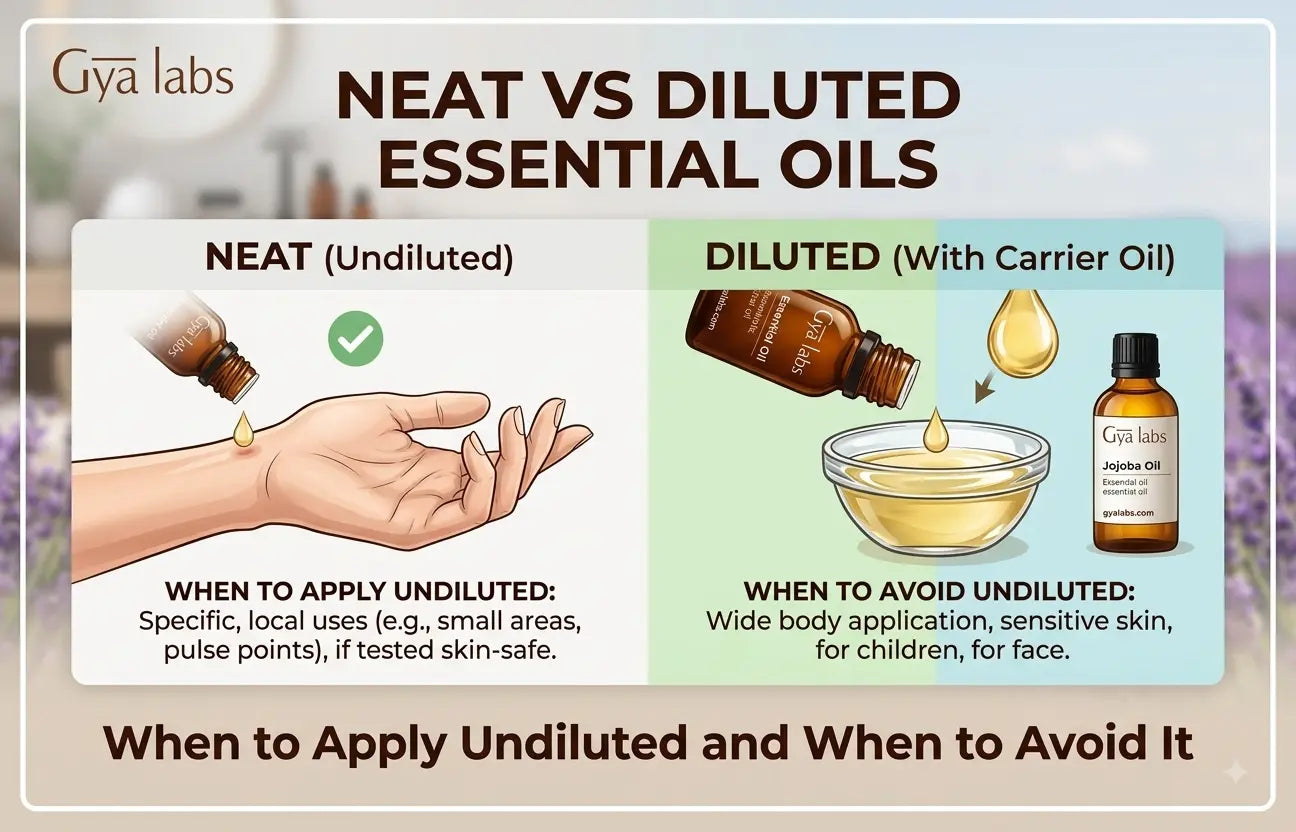
A ginger turmeric massage oil can be a simple way to add a warming, comforting touch to a morning self-care routine. Diluted ginger and turmeric oils blended with a carrier oil create a cosy massage oil that can help soothe tired muscles and make a cold morning feel a little more comfortable.
I have a confession.
I'm not naturally a morning person.
Give me a cold morning, a stiff feeling after sleeping awkwardly, and an alarm that seems to ring five minutes too early, and I'm not exactly rushing toward my day with enthusiasm.
That's when I like a warm, simple ritual.
A few minutes of massage can make getting moving feel much more pleasant. And when ginger and turmeric are part of the blend, you get something that smells warm, earthy, and distinctly different from the usual lavender or peppermint routine.
The key is keeping the formula simple.
We're not trying to create a complicated treatment oil. We're making a warming massage blend designed for a relaxing wellness ritual.
And yes, there's a right way to make it.
Why Warming Oils Feel Good on Stiff Mornings
Cold mornings have a way of making everything feel slower.
Your coffee takes longer to brew. Your blanket suddenly becomes impossible to leave. Even your usual morning stretch can feel like an unreasonable request.
A warm massage ritual can be a nice way to ease into the day.
The combination of massage and aromatic ingredients creates a sensory experience that many people find comforting. Ginger and turmeric are particularly interesting because both have naturally warm, spicy aromatic profiles.
For me, that's the appeal.
I don't want a morning massage oil that smells like dessert. I want something earthy and warm that feels appropriate at 7 a.m.
A carrier oil also gives your hands enough slip to massage comfortably without tugging at the skin.
The massage itself is important too. Slow, deliberate movements can turn the application from a quick skincare step into a few minutes of intentional self-care.
That's really what this recipe is about.
Not making grand promises.
Just creating a small ritual that feels good.
Why I Prefer Massage Over Simply Applying Oil
You could technically rub the blend onto your arms, shoulders, legs, or other areas and leave it there.
But I prefer actually massaging it in.
When I've used warming oils this way, the combination of the scent, the texture, and the physical movement makes the whole routine feel more purposeful.
It also means you don't need much oil.
A small amount spread with slow movements can be enough.
Ginger and Turmeric: The Cosy Duo
Ginger and turmeric have something in common beyond being kitchen staples.
They both have warm, earthy personalities that work beautifully in aromatherapy blends.
They're also very different from each other, which is exactly why I like combining them.
Ginger Oil
Ginger has a warm, spicy, slightly sharp aroma.
It isn't shy.
Even a small amount can make itself known in a blend, so I don't recommend going overboard. When used thoughtfully, ginger adds warmth and depth to massage oils.
People often search for ginger oil benefits because ginger is such a familiar botanical. In aromatherapy, though, I prefer to focus on what the oil contributes to the experience.
For me, that's warmth.
The aroma feels particularly appropriate in the morning or during colder months when a fresh, cooling scent doesn't quite match the mood.
I've tried ginger in several massage blends, and I've found that it pairs especially well with earthy oils such as turmeric, cedarwood, and frankincense.
Turmeric Oil
Turmeric has a warmer, earthier aroma that works nicely alongside ginger.
The scent is less sharp and more grounded, which helps balance ginger's spicy character.
That's where the pairing becomes interesting.
Ginger gives the blend a little energy.
Turmeric gives it depth.
Together, they create an aroma that feels cosy without becoming overwhelmingly spicy.
Searches for turmeric oil benefits often focus on the broader properties associated with turmeric as a botanical. For an aromatherapy article, however, it's better to keep the focus on its aromatic character and its place in a soothing massage ritual rather than making therapeutic claims.
Why They Work So Well Together
If ginger were the only ingredient, the aroma could feel quite sharp.
If turmeric were used alone, the blend might feel too earthy for some people.
Together, they balance each other.
That's the magic of blending.
You don't always want one ingredient to dominate. You want the individual aromas to create something better together.
The Massage Blend Recipe
This is the recipe I would start with if you're new to making a warming massage blend.
It's intentionally simple.
What You'll Need
• 2 tablespoons jojoba oil
• 2 drops ginger essential oil
• 2 drops turmeric essential oil
That's it.
No complicated ingredient list.
No twelve-bottle essential oil collection required.
How to Make It
1. Add the jojoba oil to a clean glass bottle or small mixing dish.
2. Add the ginger and turmeric essential oils.
3. Mix gently.
4. If you're preparing a larger batch, transfer it to a clean, dark glass bottle and label it with the ingredients and date.
5. Use a small amount for massage rather than applying a thick layer.
This gives you a gentle starting formula while allowing you to adjust the aroma later if needed.
Why Jojoba Works Well Here
Jojoba is one of my favourite carrier oils for massage blends because it has a relatively lightweight feel and spreads easily.
You don't want your hands dragging across the skin during a massage.
You also don't want to finish your routine feeling as though you've been coated in cooking oil.
Jojoba gives you that middle ground.
If you're making this blend specifically for larger areas such as the legs, shoulders, or back, you can increase the carrier oil while keeping the essential oil concentration appropriately low.
Optional Add-Ins: Black Pepper
If you like warm, spicy aromas, black pepper is an interesting addition.
Just don't get carried away.
Black pepper essential oil has a distinctive spicy character that can quickly take over a blend.
For a three-ingredient formula, I would start with:
• 2 tablespoons jojoba oil
• 2 drops ginger essential oil
• 2 drops turmeric essential oil
• 1 drop black pepper essential oil
The result is warmer and slightly more aromatic than the basic version.
I've tested blends where black pepper completely dominated the other ingredients.
Not the vibe.
A single drop is usually enough to experiment with.
When I Would Skip Black Pepper
If you're new to essential oil blending, start without it.
Ginger and turmeric already create plenty of warmth. Once you know how the base formula smells and feels, you can decide whether you want the extra spicy note.
This is one of my favourite rules for DIY aromatherapy:
Start small.
You can always add another drop.
You can't easily remove one.
How Warming Is This Blend?
This is where expectations matter.
A warming massage blend should not feel like a hot balm or create an intense burning sensation.
The sensation can vary from person to person and depends on the oils, concentration, skin sensitivity, and application area.
When I use ginger and turmeric in a properly diluted blend, I think of the experience as cosy rather than aggressively hot.
If you're expecting the kind of heat you'd get from a commercial muscle rub, this isn't that.
And that's a good thing.
The goal is a pleasant massage experience, not turning your shoulders into a toaster.
If you notice burning, significant redness, itching, or discomfort, stop using the blend and wash the area gently.
Massage Technique for Stiff Mornings
The oil is only half the routine.
How you apply it matters too.
Start With a Small Amount
Put a few drops into your palms and rub your hands together.
That immediately warms the oil slightly and spreads the aroma.
Then apply it to the area you're massaging.
Use Slow Circular Movements
For shoulders and upper arms, I like small circular movements with moderate pressure.
Don't rush.
This is supposed to be a relaxing morning ritual, not a race.
Follow the Muscle
When working over larger areas such as the thighs or calves, use long, smooth strokes.
Keep the pressure comfortable.
Spend More Time Where You Feel Tension
If one area feels particularly tired after a long day or workout, you can spend a little more time massaging there.
The purpose isn't to force the area to relax.
It's simply to make the massage feel intentional and comfortable.
Finish Slowly
Once you've finished, give the oil a few moments to absorb before getting dressed.
This also gives you a chance to enjoy the aroma.
That's one of the reasons I like morning massage blends. The ritual doesn't have to take twenty minutes.
Five minutes can be enough.
Staining and Skin Notes
Turmeric has a reputation for staining.
And yes, that reputation is deserved.
Turmeric can leave yellow or golden marks on fabrics, especially when used in higher concentrations.
That's why I recommend using a dark towel or older clothing if you're testing a turmeric-heavy blend for the first time.
Will Turmeric Oil Stain Skin?
It can potentially leave temporary colour depending on the specific product, concentration, and how much is applied.
Using a properly diluted blend and applying a small amount can help minimise this.
If you're particularly concerned about staining, test the blend on a small area before using it more broadly.
What About Clothes?
Let the oil absorb before getting dressed.
And don't immediately reach for your favourite white shirt.
I've learned that lesson the hard way.
When Is the Best Time to Use It?
Morning is an obvious choice.
That's why I like this recipe.
A few minutes of massage can fit naturally after a shower or before getting dressed.
But you're not limited to mornings.
You can also use a diluted massage blend:
• After a long day on your feet
• After exercise as part of a relaxation routine
• During a weekend self-care ritual
• Before winding down in the evening
I especially like using warm, spicy aromas during cooler weather.
In summer, I usually prefer lighter scents such as peppermint or eucalyptus.
It's all about matching the aroma to the moment.
Safety and Who Should Skip Warming Oils
Essential oils are concentrated botanical products, so dilution matters.
For a body massage blend, a low dilution is a sensible place to begin, especially if you're new to topical aromatherapy.
Patch Test First
Apply a small amount of the diluted blend to a small area of skin and wait to see how your skin responds before using it more broadly.
Don't Apply to Broken or Irritated Skin
A warming oil isn't something I'd use over cuts, abrasions, freshly shaved irritated skin, or already sensitive areas.
If the skin barrier is compromised, keep the routine simple.
Keep It Away From Sensitive Areas
Avoid the eyes, lips, mucous membranes, and other highly sensitive areas.
Wash your hands after preparing or applying the blend.
Who Should Avoid Warming Oils?
Anyone who knows they are sensitive or allergic to an ingredient should avoid it.
People who are pregnant, breastfeeding, taking medications, managing a medical condition, or preparing an oil for a child should speak with an appropriate healthcare professional before using essential oils topically.
If you're unsure whether a particular oil is suitable for you, don't guess.
Ask a qualified professional.
Stop If Your Skin Reacts
A little warmth can be expected from a warming aromatic blend.
Burning, intense redness, swelling, itching, or persistent discomfort is not something to push through.
Wash the area and discontinue use.
How to Make This Part of a Simple Morning Routine
I think the biggest advantage of this blend is that it doesn't require much effort.
Here's how I would use it.
Wake up.
Take a shower.
Dry off.
Apply a few drops of the diluted massage blend to your hands.
Massage shoulders, arms, legs, or another comfortable area for a few minutes.
Then get dressed and move on with your morning.
That's the whole routine.
You don't need candles.
You don't need a playlist.
You don't need an elaborate bathroom shelf.
Although, if you do want the playlist, I won't judge.
The point is to create something easy enough to repeat.
Final Thoughts
A ginger and turmeric blend is one of my favourite ways to bring a little warmth into a cold morning.
The combination is earthy, spicy, and comforting, while jojoba gives the blend a smooth base that's easy to massage into the skin.
If you're exploring essential oils for muscle massage, this is a good place to start because the recipe is uncomplicated and easy to customise.
Keep the dilution gentle.
Start with a small amount.
Pay attention to how your skin responds.
And remember that aromatherapy is about creating a pleasant wellness experience, not making medical promises.
For me, that's exactly what makes this kind of routine worthwhile.
A few minutes.
A warm aroma.
A little massage.
Then on with the day.