


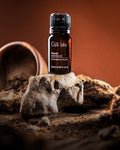
Quick Answer: Lime essential oil has a fresh, zesty, sharp citrus scent. How it’s made matters: cold pressed lime oil is phototoxic, so on skin that will see sunlight, keep it to 0.7% or less (about 1 drop per 10 ml of carrier oil) or avoid sun on that skin for 12 hours. Steam distilled lime oil is not phototoxic. Check the label for the extraction method before you use lime oil on skin.
What Does Lime Essential Oil Smell Like?
Lime essential oil smells crisp, tangy, and zesty, with a lively, peel like freshness. Next to softer citrus oils like sweet orange, it’s sharper and more sparkling. That makes it a useful top note in diffuser blends and home fragrance.
A little lime brightens a blend without making it heavy. It can open a blend, lift richer notes, or add a zesty contrast to florals and herbs.
Lime’s aroma profile
• Fresh and zesty: a lively, peel like citrus
• Crisp and bright: makes a blend feel lighter
• Tangy and slightly sweet: pairs well with other citrus, florals, and herbs
• Clean: a good choice for everyday room fragrance
The exact scent depends on the lime variety and how the oil was made. Cold pressed lime smells like freshly zested peel. Distilled lime is sharper and sweeter, closer to the smell of lime sweets than fresh fruit.
Lime vs. lemon essential oil
|
Feature |
Lime essential oil |
Lemon essential oil |
|
Aroma |
Zesty, tangy, sharp |
Bright, clean, familiar |
|
Role in a blend |
Adds a sparkling, tangy citrus note |
Adds a classic, crisp citrus note |
|
Pairs well with |
Grapefruit, lavender, mint, coconut notes |
Rosemary, eucalyptus, lavender, other citrus |
|
Phototoxic if cold pressed? |
Yes, 0.7% limit |
Yes, 2% limit |
|
Choose it if you want |
A sharper, more distinctive citrus |
A straightforward, versatile citrus |
Neither is better. Choose lime for a tangier citrus, lemon for a familiar one, or use both together.
How Is Lime Essential Oil Extracted?
Lime oil is made in two main ways, and they produce oils with different scents and different safety profiles. The label or product page should say which one you have.
Cold pressed lime oil
Cold pressing, also called expression, squeezes the oil from the lime peel mechanically, without heat. It keeps the fresh, zesty scent of the peel.
It also keeps furocoumarins, natural compounds in citrus peel, such as bergapten, that react with sunlight on the skin. That’s what makes cold pressed lime oil phototoxic.
Steam distilled lime oil
Steam distillation passes steam through the crushed fruit or peel, then condenses and separates the oil. Furocoumarins are heavy molecules that don’t travel with the steam, so distilled lime oil contains almost none of them and is not phototoxic.
Distillation also changes the scent, making it sharper and sweeter. Being non phototoxic doesn’t mean it can go on skin undiluted. It still needs dilution like any essential oil.
What to check
1. Extraction method: cold pressed (expressed) or steam distilled?
2. Plant part: peel, whole fruit, or leaf? Lime leaf oil, such as kaffir lime leaf, is a different oil altogether.
3. Safety guidance: does the supplier give a dilution and a sun warning?
Is Lime Essential Oil Phototoxic?
Cold pressed lime oil is phototoxic. Steam distilled lime oil is not.
Phototoxicity means a compound on your skin reacts with ultraviolet (UV) light and causes a reaction that looks like a bad sunburn: redness, blistering, and dark patches that can last for months. Lime is well known for this. Even lime juice on the skin can cause it, which is why doctors call it “margarita dermatitis.” America’s Poison Centers notes that redness often appears within a day and the darkening can last for months or even years.
The safe limit for cold pressed lime
The International Fragrance Association (IFRA) sets a maximum of 0.7% cold pressed lime oil in leave on skin products, to avoid phototoxic reactions.
|
Lime oil type |
Phototoxic? |
On skin |
|
Cold pressed (expressed) |
Yes |
0.7% or less (about 1 drop per 10 ml carrier) on skin that will see sun; or any normal dilution if the skin stays out of the sun for 12 hours |
|
Steam distilled |
No |
Normal dilution: 1 to 2% for adults (2 to 4 drops per 10 ml) |
|
Method not stated |
Assume yes |
Treat it as cold pressed until you know |
Gya Labs Lime Essential Oil is cold pressed from the peel. Its product page suggests 1 drop in 1 tablespoon of jojoba oil, about 0.3%, for covered skin in the evening. That’s well within the limit and a sensible way to use it.
Using cold pressed lime oil on skin safely
• Keep it at 0.7% or less on skin that will be exposed to sunlight, or
• Use it in the evening, on skin that will stay covered, and keep that skin out of the sun and tanning beds for 12 hours.
• Wash off products like shower gels and shampoos don’t carry the same risk, because the oil is rinsed away.
• Count all your citrus. If a blend combines lime with bergamot or other phototoxic oils, the risk adds up. Keep the total low.
• Patch test first: apply a little to your inner forearm and wait 24 hours.
For more on citrus oils and sunlight, see our guide to phototoxic citrus essential oils.
Lime Essential Oil Uses
Diffusing
The easiest way to enjoy lime is in a diffuser. Its bright scent freshens a living room, kitchen, or home office. Phototoxicity isn’t a concern when you diffuse.
Use 6 to 8 drops in total in a standard ultrasonic diffuser, and run it for 30 to 60 minutes at a time. Keep the room ventilated. Citrus oils are on the list of oils that can affect cats, so leave a door open so pets can leave the room. See our room by room guide to essential oils and cats.
Fragrance blending
Lime works best as a top note: it’s the first thing you smell, and it fades fastest. Pair it with longer lasting floral, herbal, or woody notes to hold the blend together.
• Lime and lavender: zesty citrus softened by a gentle floral and herbal note
• Lime and grapefruit: a bright, tangy citrus pairing
• Lime and lemon: a crisp, familiar citrus with extra zest
• Lime and peppermint: cool and sharp, good for a kitchen or home office
DIY room fragrance
Lime works well in room sprays and other home fragrance projects. A recipe for a room spray isn’t suitable for skin, though, and essential oils can mark wood, fabric, and some plastics. Test on a hidden spot first.
Lime Diffuser Blends to Try
Each blend makes 5 drops, a good starting point for most ultrasonic diffusers. Add a drop or two more for a larger room.
1. Lime and lemon
Bright and crisp
• 3 drops lime
• 2 drops lemon
A simple citrus blend for a fresh, clean room.
2. Lime and grapefruit
Tangy and lively
• 3 drops lime
• 2 drops grapefruit
A layered citrus blend with a tangy, fruity character.
3. Lime and lavender
Citrus with a soft floral note
• 3 drops lime
• 2 drops lavender
Lavender softens lime’s sharp edge with a gentle floral and herbal note.
These blends are for diffusing only, not for skin. Compare other oils to blend with lime in the Gya Labs Essential Oil Singles collection.
How to Read a Lime Essential Oil Label
|
Label detail |
Why it matters |
|
Product name |
Confirms it’s lime essential oil, not a fragrance oil or blend |
|
Botanical name |
Key lime is Citrus × aurantiifolia (often written Citrus aurantifolia); Persian lime is Citrus × latifolia. The × means a hybrid |
|
Plant part |
Peel, whole fruit, or leaf; each gives a different oil |
|
Extraction method |
Cold pressed is phototoxic; steam distilled isn’t |
|
Directions and warnings |
Dilution, sun exposure, storage |
|
Batch number and origin |
Lets the supplier trace your bottle and its test results |
Gya Labs lists its lime oil as Citrus aurantifolia, cold pressed from the peel, from Mexico and the West Indies.
Storage and shelf life
Citrus oils have the shortest shelf life of any essential oils: about 1 to 2 years from opening. Their main compound, limonene, oxidizes in air, and oxidized citrus oil is more likely to irritate skin. Keep lime oil tightly capped, in a cool, dark place; the fridge is ideal. If it smells flat, sour, or turpentine like, use it only for diffusing or replace it.
Questions to ask before buying
• Is it cold pressed or steam distilled?
• Is the plant part stated?
• Does the supplier give a dilution and a sun warning?
• Is there a batch number?
Final Thoughts
Lime essential oil brings a crisp, zesty citrus note to diffuser blends and home fragrance, and pairs well with lemon, grapefruit, and lavender.
The most important thing on the label is the extraction method. Cold pressed lime oil is phototoxic, so keep it to 0.7% or less on sun exposed skin, or use it in the evening on covered skin. Steam distilled lime oil isn’t phototoxic but still needs dilution. Check the label, store it cool and capped, and enjoy it in your diffuser.