


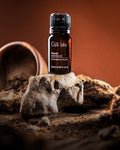
The best time to apply body oil is right after a shower, while your skin is still slightly damp. Pat away the extra water, smooth a few drops of oil over your body, and give it a minute to sink in before you get dressed. This helps slow moisture loss and leaves your skin feeling softer.
There's something about the first cool mornings of fall that makes a hot shower feel extra inviting. But once you step out and towel off, your skin might tell a different story. That fresh, clean feeling can quickly turn into tightness, especially on your arms, legs, and elbows.
You don't need a complicated routine to fix that. Often the simplest change is putting on your body oil before your skin has fully dried. Here's how to choose one, use it without feeling greasy, and turn it into a 60 second fall habit.
Apply body oil to slightly damp skin within a minute or two of leaving the shower. Oil doesn't add water, but it helps slow the loss of moisture already on your skin. Pat dry, warm a small amount between your palms, massage it over arms and legs, and wait a minute before dressing.
Why Does Fall Air Dry Out Your Skin?
As the weather cools, the air usually holds less moisture. Indoor heating dries it out even more. Add long, hot showers, and your skin can start to feel less comfortable than it did in summer.
Your skin has natural oils that help protect its surface. Hot water and harsh cleansers can wash some of those oils away, while dry air lets moisture evaporate faster.
That's why a small seasonal change can make a real difference. Instead of replacing every product in your bathroom, start by paying attention to the first minute after your shower.
A light body oil forms a thin, softening layer over your skin that helps reduce moisture loss. It works best when you apply it before the water on your skin has fully evaporated.
You can make similar small adjustments to your facial routine as the seasons change. The fall skincare switch explores how face oils can fit into cooler-weather skincare without adding unnecessary steps.
Should You Apply Body Oil to Wet or Dry Skin?
If you've ever wondered whether body oil goes on wet or dry skin, the answer is in between: slightly damp.
Body oil doesn't add water to your skin. It helps slow the loss of the moisture that's already there. Applying it after a shower, while a little water is still on your skin, makes the most of that freshly hydrated feeling.
Here's how to use body oil after a shower without turning your bathroom floor into a slip hazard:
1. Finish your shower with comfortably warm water rather than very hot water.
2. Step out onto a bath mat and gently pat your skin with a towel. Leave it slightly damp, not dripping.
3. Warm a small amount of oil between your palms.
4. Massage it over your arms, legs, and any areas that tend to feel dry.
5. Wait a minute or two before getting dressed.
You don't need to coat yourself in oil. Start with a little and add more only where you need it.
I find the easiest skin care habits are the ones you can finish before you leave the bathroom. Keeping your oil next to your towel makes this step much easier to remember.
Best Body Oils for Dry Skin: Jojoba, Argan, and Baobab
Choosing the best body oil for dry skin comes down to texture and how your skin feels afterward. Do you like a light finish or something richer? Three carrier oils worth getting to know are jojoba, argan, and baobab.
Jojoba oil for a lightweight finish
If you don't like the feel of heavy products, jojoba oil is a good place to start. It's technically a liquid wax, so it spreads smoothly and leaves skin feeling conditioned without much weight.
It's a great everyday choice when you want your skin to feel comfortable but don't want to wait long before getting dressed. Use it on its own or mix it with a richer oil.
Argan oil for everyday softness
Argan oil has a silky texture that's easy to massage over your arms and legs. It leaves skin feeling soft and is a nice middle ground if you want something more substantial than a very light oil, but not an overly rich finish.
For an everyday post shower body oil, argan works well alone or mixed with jojoba. Argan comes from the kernels of the argan tree's fruit, so if you have a tree nut allergy, check with your doctor before using it.
Baobab oil for a richer feel
If your legs and elbows get especially rough once fall arrives, baobab oil is worth a try. It has a richer, more cushioning texture that suits a slower evening routine.
A body oil for very dry skin can also be a blend. Mixing baobab with a lighter oil like jojoba lets you adjust the texture without buying several products.
|
Carrier Oil |
Texture |
Best For |
|
Jojoba |
Lightweight, smooth |
Quick morning application |
|
Argan |
Silky, medium weight |
Everyday body care |
|
Baobab |
Richer, cushioning |
Areas that need extra softness |
There's no single best body oil for everyone. Pick the texture you'll actually enjoy using, and adjust the amount to how your skin feels. For more on how each oil fits a routine, see skin care with carrier oils or our roundup of carrier oils for dry skin.
A 60 Second Post Shower Body Oil Routine
You don't need ten minutes of head to toe skin care. With your oil ready to go, the whole routine takes about a minute.
|
Time |
Step |
What to Do |
|
First 15 seconds |
Pat, don't rub |
Gently pat your skin with a towel, leaving a little moisture on your arms and legs. |
|
Next 15 seconds |
Warm the oil |
Pour a small amount into your palms and rub them together to spread it evenly. |
|
Last 30 seconds |
Apply and smooth |
Massage the oil over your legs and arms, with extra attention on elbows and knees. Let it settle before dressing. |
Keep your oil somewhere you'll see it after every shower. Using a little every day does more than using a lot once in a while.
Don't forget the smaller spots that dry out when the temperature drops. Your hands, cuticles, and lips may need extra care too. Our guide to oils for dry lips takes the same simple approach.
Body Oil vs Lotion: Which Is Better for Dry Skin?
The body oil vs lotion question comes up every fall, but the two don't have to compete.
Lotions usually contain water plus moisturizing and softening ingredients. Body oils mainly soften skin and slow moisture loss. The right choice depends on what your skin needs and how much time you want to spend.
|
Body Oil |
Body Lotion |
|
Softens skin and slows moisture loss |
Adds water based hydration plus softening ingredients |
|
Works best on slightly damp skin |
Can be applied to clean skin any time |
|
Comes in light and rich textures |
Comes in light and rich textures |
|
Easy to massage over large areas |
Convenient for everyday moisturizing |
If your skin feels tight and thirsty, lotion may be the better first step. If your skin already feels comfortable after showering and you want to hold on to that, body oil is an easy addition.
You can also use both. Apply lotion first, then smooth a little oil over especially dry areas. There's no need to layer both everywhere unless you like a richer finish.
DIY Body Oil: A Simple Fall Blend
One perk of carrier oils is that you can mix them to get exactly the texture you like. If jojoba feels too light and baobab feels too rich, combining them lands you somewhere in between.
Unscented everyday body oil
You'll need:
• 2 tablespoons (about 30 ml) jojoba oil
• 1 tablespoon (about 15 ml) argan oil
• 1 tablespoon (about 15 ml) baobab oil
• A clean, completely dry glass bottle that holds at least 60 ml
How to make it:
1. Pour the three oils into your bottle.
2. Close the lid and gently roll the bottle between your palms to mix.
3. After showering, apply a small amount to slightly damp skin.
4. Add a little more to areas that need extra softness.
This makes about 60 ml. It contains no water or essential oils, so it's a simple, beginner friendly option. Patch test on your inner forearm and wait 24 hours before your first full application.
Want it lighter? Use more jojoba. Want it richer? Add a little more baobab. You don't need fragrance, but you can explore other textures in our carrier oils collection.
Always handle the bottle with clean, dry hands, and keep shower water out of the blend.
A few safety notes
• Skip broken, cracked, or freshly shaved skin, and stop if you notice redness or itching.
• Wipe up any oil on the floor or in the tub. It can make surfaces very slippery.
• If your skin stays very dry, rough, or itchy even with regular moisturizing, talk to a doctor or dermatologist.
Final Thoughts
Fall skin care doesn't have to mean five new products on your bathroom shelf. If your skin feels tight after a shower, changing when you moisturize can help as much as changing what you use.
Start with a light body oil on slightly damp skin, and give it a minute to sink in. If your skin needs more, pair it with your favorite lotion. Once you've found a texture you like, oiling up becomes just another part of drying off.