


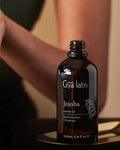

A simple diy hair oil recipe includes blending jojoba, argan, and coconut oils as nourishing bases, along with essential oils selected to meet your hair needs and scent preferences. Essential oil recipes for hair use natural ingredients to help people achieve softer hair and smoother hair texture but also enable them to perform scalp massages and create customized hair treatment routines for their home environment. Lightweight blends may work better for regular use, while richer oils are often preferred for dry or frizzy hair routines. Popular combinations in diy essential oil hair recipes include rosemary and jojoba to create scalp regimens and lavender and argan to develop smoother hair and peppermint with carrier oils to create refreshing scalp massage products.
Creating a natural hair oil recipe diy blend at home also allows you to customize texture, aroma, and routine style based on your hair type and lifestyle preferences.
Why People Love DIY Hair Oil Rituals
Creating a natural hair oil recipe diy blend at home allows you to select every aspect of the product, including its texture and scent and its component materials. People who massage their scalps regularly tend to select either lightweight oils or they opt for thicker products which provide intensive hydration before their scheduled hair washing. Homemade blends also allow you to customize your routine based on seasonal dryness, humidity, or styling habits.
Homemade hair oil with essential oils becomes a valuable addition to an evening relaxation routine when it is used for scalp massage and warm towel care. People commonly use lavender and rosemary aromatic oils in their hair care routines because these oils create a refreshing and calming experience that works well with jojoba and coconut and argan oil carrier oils.
If you enjoy scalp-focused routines, you may also like reading about gentle exfoliation and hair removal care in this guide on ingrown hair support routines from Gya Labs: For Ingrown Hair and DIY Recipes
Best Carrier Oils for DIY Hair Oil Recipes
Before building your own diy hair oil with essential oils, it helps to understand the role of carrier oils. Carrier oils create the base of the blend and help dilute essential oils for topical use.
| Carrier Oil | Texture | Best For | Common Routine Style |
|---|---|---|---|
| Jojoba Oil | Lightweight | Oily scalp, fine hair | Daily scalp massage |
| Argan Oil | Silky and light | Frizzy hair, shine routines | Leave-in ends treatment |
| Coconut Oil | Rich and nourishing | Dry hair routines | Overnight oiling |
| Castor Oil | Thick texture | Weekly scalp rituals | Mixed with lighter oils |
| Sweet Almond Oil | Smooth and medium weight | Dull-looking hair | Pre-shampoo massage |
| Avocado Oil | Rich and creamy | Deep nourishment | Hair mask routines |
Gya Labs provides multiple oils which serve as perfect components for their aromatic hair regimen procedures. The brand’s rosemary essential oil is commonly paired with jojoba or castor oil in scalp massage blends, while lavender oil works well in relaxing nighttime hair rituals. During warm weather routines, people commonly use peppermint oil as a minor ingredient for their scalp refreshing products.
Essential Oils Commonly Used in Hair Care Routines
Aromatic oils are often added to essential oils for hair care routine because they provide a spa-like feeling, enhance scalp massage practices, and help nourish oil mixtures.
Rosemary Essential Oil
Rosemary essential oil is frequently incorporated into scalp massage practices and weekly hair oiling sessions. The fresh herbal scent of the product matches best with jojoba and castor oil combinations.
Lavender Essential Oil
People use lavender essential oil in nighttime hair care products because its gentle floral scent helps people to relax. The product creates better results because it combines with argan oil and coconut oil to make hair smoother.
Peppermint Essential Oil
People tend to like peppermint oil for its refreshing scent, which feels quite pleasant in products designed to invigorate the scalp. However, it's important to remember that this oil needs to be properly diluted with carrier oils before you use it.
Tea Tree Essential Oil
Tea tree oil is often included in scalp-focused routines for people who prefer lighter cleansing-style oil blends.
Cedarwood Essential Oil
Cedarwood oil adds a warm woody scent to homemade scented hair oil recipes and blends especially well with rosemary and lavender.
Comparison Table: Choosing the Right DIY Hair Oil Blend
Various hair issues respond well to specific blends of oils. This comparative chart can help streamline your routine.
| Hair Concern | Recommended Carrier Oils | Essential Oil Pairing | Suggested Routine |
|---|---|---|---|
| Dry Hair | Coconut Oil + Argan Oil | Lavender + Rosemary | Overnight hair oil routine |
| Frizzy Hair | Argan Oil + Jojoba Oil | Cedarwood + Lavender | Apply lightly to hair ends |
| Oily Scalp | Jojoba Oil | Tea Tree + Rosemary | Pre-wash scalp massage |
| Dull-Looking Hair | Sweet Almond Oil | Peppermint + Rosemary | Weekly shine-focused routine |
| Thick or Curly Hair | Avocado Oil + Castor Oil | Lavender + Cedarwood | Rich overnight hair mask |
| Lightweight Everyday Use | Jojoba Oil | Lavender | Quick scalp massage or light hair oiling |
DIY Hair Oil Recipe for Dry Hair
A nourishing diy hair oil for dry hair often combines rich oils with softer floral or herbal aromas for a comforting overnight ritual.
Nourishing Dry Hair Blend
- 2 tablespoons coconut oil
- 1 tablespoon argan oil
- 3 drops Gya Labs Lavender Essential Oil
- 2 drops Gya Labs Rosemary Essential Oil
Warm the carrier oils slightly before adding the essential oils. Massage gently into the scalp and distribute through the hair lengths. Leave on for 30 minutes before washing or use overnight if preferred.
This blend works well for people who enjoy richer hair oiling rituals during colder weather or after frequent heat styling.
DIY Hair Oil for Frizzy Hair
Humidity and styling damage can sometimes leave hair looking rough or puffy. A lightweight diy hair oil for frizzy hair can help smooth the appearance of flyaways while adding shine.
Silky Frizz-Control Blend
- 1 tablespoon argan oil
- 1 tablespoon jojoba oil
- 2 drops Gya Labs Lavender Essential Oil
- 2 drops Gya Labs Cedarwood Essential Oil
The product needs to be applied through several drops which should be used on damp hair ends after the hair has been washed. Avoid applying too much near the roots if your scalp becomes oily easily.
People looking for more nourishing scalp rituals may also enjoy exploring rosemary-focused hair care routines in related Gya Labs educational blogs.
Homemade Scented Hair Oil for Everyday Use
Creating a homemade scented hair oil is one of the easiest ways to personalize your hair routine naturally. Floral, herbal, citrus, or woody scent profiles can completely change the experience of a weekly scalp massage.
Soft Floral Hair Oil Blend
- 2 tablespoons jojoba oil
- 1 tablespoon sweet almond oil
- 3 drops lavender oil
- 1 drop cedarwood oil
The combination engenders a soft, relaxed character and can comfortably serve as a part of people's night-time self-care rituals.
Fresh Herbal Hair Oil Blend
- 2 tablespoons jojoba oil
- 1 tablespoon castor oil
- 3 drops rosemary oil
- 1 drop peppermint oil
This blend has a fresher scent profile and works well before shampoo routines.
Natural Hair Oil Blends DIY for Weekly Rituals
Many people enjoy creating natural hair oil blends diy routines based on how often they oil their hair. Weekly rituals can help simplify consistent scalp care.
A simple weekly routine might involve applying a rosemary and jojoba blend before wash day, followed by a lighter argan oil application on the ends after drying. Richer oils like castor oil are often used in smaller amounts because of their thicker texture.
Gya Labs oils can fit naturally into different ritual styles depending on whether you prefer lightweight daytime use or deeper overnight nourishment routines.
DIY Hair Oil Routine at Home
A simple diy hair oil routine at home does not need to feel complicated. Consistency usually matters more than using too many ingredients at once.
Step 1: Choose Your Base Oil
Opt for lighter or richer oils less frequently depending on a specific nourishment.
Step 2: Gently Incorporate The Essential Oils
Essential oils require proper dilution because they exist in highly concentrated forms.
Step 3: Massage Gently
The scalp should receive 5 to 10 minutes of circular motion massage to achieve even distribution of the blend.
Step 4: Leave On Before Washing
While some individuals leave oils on for 20 to 30 minutes, others prefer to keep hair oil on overnight until morning.
Step 5: Wash Thoroughly
The gentle shampoo will eliminate extra oil while preserving the hair's natural condition.
Essential Oils for Hair DIY Blends
Simple essential oils for hair diy blends can easily be adjusted depending on season, styling habits, or scalp comfort.
Using lighter jojoba-based mixtures feels more comfortable in humid weather. Using a blend of coconut and avocado oils along with richer ingredients offers more effective deep nourishment during the winter season. People who follow aromatic routines for their scented practices use lavender and cedarwood to create subtle fragrance effects while rosemary and peppermint produce distinctive herbal aromas.
How to Make Scented Hair Oil at Home
If you are wondering how to make scented hair oil at home, the process is usually very simple and customizable.
Start with:
- a carrier oil base
- one or two essential oils
- a dark glass bottle for storage
People start their oil usage with 2 tablespoons of carrier oil and 2 to 4 drops of essential oil. Users must shake the product gently before using it.
The combination of lavender and ylang ylang and other floral scents produces delicate floral scents, whereas rosemary and cedarwood produce deep herbal fragrances.
Homemade Hair Oil With Essential Oils for Different Hair Types
| Hair Type | Recommended Blend Style |
|---|---|
| Fine Hair | Lightweight jojoba-based blends |
| Thick Hair | Rich coconut and avocado blends |
| Curly Hair | Castor oil mixed with argan oil |
| Wavy Hair | Sweet almond and jojoba combinations |
| Chemically Processed Hair | Argan and lavender blends |