



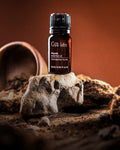

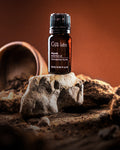
A simple focus diffuser blend for studying combines 2 drops each of peppermint, rosemary, and lemon essential oils. The fresh, herbal, and citrus aromas can help create a focused study atmosphere and become a consistent cue for study time. Always follow your diffuser's instructions and adjust the amount for your space.
Exam season has a very specific kind of energy.
There are notes everywhere, half-finished cups of coffee on the desk, tabs open on the laptop, and that familiar feeling that you should probably have started studying yesterday.
One trick I have is that when I feel stuck and I can't seem to really focus while studying in a place that feels familiar and comfy (to me) a new environment helps to really get down to it. A neat and clear desk helps, and turning off the phone helps more, and the room having a comforting scent can turn into another cue to study.
That's where aromatherapy can fit into a student's routine.
If you're looking for essential oils for studying, you don't need an elaborate setup or a complicated blend. A few fresh, familiar aromas can help create a focused atmosphere around your study space.
Herein lies a basic focus diffuser blend with peppermint, rosemary and lemon, evening blend, roller portable version, and advice on responsible scenting for dorms, libraries and shared areas.
The goal isn't to promise that an essential oil will improve your grades or replace good study habits. Think of scent as a study cue that can help make your environment feel ready for the work ahead.
Scent as a Study Cue
I've always found it interesting how quickly a particular smell can become associated with a place or activity.
The smell of fresh coffee can make you think of an early morning. A particular perfume can remind you of someone. Even the scent of a classroom can bring back memories from years ago.
You can use that same principle when building a study routine.
Rather than expecting aromatherapy to somehow make studying easier, choose one scent and use it consistently when you sit down to work. Over time, the aroma can become part of the routine itself.
You may only diffuse your study blend if:
• Reviewing lecture notes
• Writing an assignment
• Practicing questions
• Reading a textbook
• Preparing for an exam
Then turn the diffuser off when you are finished studying.
This creates a simple boundary between study time and everything else happening around you.
That's particularly useful during exam season, when your bedroom or dorm room can start feeling like one giant study zone.
A familiar study blend essential oil routine can give the space a slightly different feel without requiring much effort.
And that's exactly what I like about it.
Oils Students Reach For
When I'm putting together a study blend, I usually look for oils with fresh, crisp, or herbaceous aromas. They tend to work particularly well during daytime study sessions because they don't make the room feel heavy or overly perfumed.
Three oils are especially useful here: peppermint, rosemary, and lemon.
Peppermint
Peppermint is one of the first oils I reach for when I want a fresh atmosphere.
Its cool, minty aroma immediately changes the character of a room. It feels crisp and lively, which is why it's such a popular choice for daytime routines.
If you're exploring essential oils for attention, peppermint is an easy starting point because its aroma is distinctive without requiring a complicated blend.
I particularly enjoy it when I’m reading a lot and I’m working on things that I need to focus on for the full session.
The trick is not to overdo it. A little peppermint can go a long way.
Rosemary
Rosemary has a completely different personality.
Where peppermint is cool and bright, rosemary is green, herbal, and slightly woody.
It's one of my favorite oils for creating a more grounded study atmosphere, particularly when I'm working through detailed reading or writing.
Rosemary also pairs exceptionally well with peppermint. The two scents have enough contrast to remain interesting without competing with each other.
If you're searching for the best oils for focus, rosemary is worth considering simply because it gives a blend more depth.
Lemon
Lemon brings brightness to the formula.
Its fresh citrus aroma keeps the blend from becoming too herbal or mint-heavy.
Whenever I combine rosemary and peppermint, I like adding lemon because it gives the overall scent a cleaner, lighter finish.
It's also a great option if you don't particularly enjoy strong herbal aromas.
Together, these three oils create a balanced profile: cool peppermint, green rosemary, and bright lemon.
The Focus Diffuser Blend
Here's the blend I would use for a daytime study session:
Energizing Daytime Version
You will need:
• 2 drops peppermint essential oil
• 2 drops rosemary essential oil
• 2 drops lemon essential oil
Add the oils to your diffuser according to the diffuser manufacturer's instructions.
That's it.
No complicated formula.
The peppermint gives the blend its fresh character, rosemary adds an herbal note, and lemon keeps everything bright.
This is my preferred focus diffuser blend for daytime studying because none of the three aromas dominates the others.
How I Would Use It
I wouldn't want it on all day for my whole study. I’d use it at the beginning of a defined study slot.
For example:
9:00 to 9:50: Study
9:50 to 10:00: Break
10:00 to 10:50: Study
10:50 to 11:05: Break
The scent becomes part of the beginning of each session rather than background noise that is constantly present.
That distinction matters.
If you use the same scent every minute you're awake, it stops feeling like a specific study cue.
Calmer Evening Study Version
Daytime studying and evening studying can feel completely different.
During the day, I don't mind using brighter aromas.
At night, I prefer something softer.
If you're studying later in the evening, try reducing the peppermint and letting the herbal and citrus notes take over.
Evening version:
• 1 drop peppermint essential oil
• 2 drops rosemary essential oil
• 2 drops lemon essential oil
It retains something of the Day mixture and fresh perfume quality, but it's slightly less punchy and less pervasive.
If you are particularly sensitive to stimulating scents in the evening, you can leave peppermint out altogether and use rosemary with lemon.
The point isn't to create a "sleep" blend or make any health claim. It's simply about choosing an aroma that feels comfortable in your evening study environment.
A Roller Option for Class
A diffuser isn't always practical.
You probably can't bring one into an exam hall, and your professor may not appreciate your peppermint cloud taking over the classroom.
That's where a personal aroma roller can be useful.
For a mobile option, use your favorite carrier oil, add a few drops of your properly diluted essential oil blend to a roller bottle. You can just do a simple combo like:
• 1 drop peppermint
• 1 drop rosemary
• 1 drop lemon
• Carrier oil to fill the roller bottle
For topical products, dilution is important. Don't apply essential oils directly to your skin.
Apply the finished roller according to its intended use and avoid the eyes and other sensitive areas.
I prefer using a roller before starting a study session rather than repeatedly applying it throughout the day.
Again, the objective is consistency.
The scent becomes associated with sitting down to work.
Dorm and Etiquette Tips
This might be the most important section for students living with roommates.
You may love peppermint.
Your roommate may feel completely differently.
A strong fragrance that feels refreshing to you can be distracting or unpleasant to someone else, especially in a small dorm room.
Ask before diffusing in shared space.
This is a little favor that can prevent a good deal of aggravation.
Keep the Diffuser Away From Shared Areas
If your roommate is studying, sleeping, eating, or relaxing nearby, consider skipping the diffuser.
Your study routine shouldn't become someone else's problem.
Start With Fewer Drops
More isn't automatically better.
Start with a low amount and see how the aroma feels in the room.
Ventilate When Appropriate
A little airflow can help keep the scent from becoming overwhelming.
Be Careful Around Pets
If you have pets around the home or even dorm, be aware that not every essential oil is safe to inhale. Before diffusing it around your pets and other creatures, be aware of safe usage guidelines per animal.
Consider Your Library or Classroom
A personal roller may be more appropriate than a diffuser in shared environments.
Not everyone wants to smell peppermint while taking a three-hour exam.
How Many Drops Should You Use?
The exact amount depends on your diffuser's water capacity and the manufacturer's instructions.
As a general starting point for a small personal diffuser, I would rather begin with fewer drops and adjust gradually than fill the room with a strong aroma immediately.
For the six-drop recipe above, you can scale the blend according to your diffuser's recommended amount.
Always follow the diffuser instructions first.
If you're using a personal roller, the calculation is different because topical products require dilution in a carrier oil.
Don't transfer diffuser ratios directly to skin.
Pairing Scent With Study Breaks
One of my favorite ways to make a study routine more manageable is to create a clear beginning and ending.
Start the diffuser.
Study.
Turn it off when the study block ends.
Then take your break.
Get up.
Drink some water.
Stretch.
Look away from your screen.
Walk around for a few minutes.
The scent becomes a marker for the study period rather than something you experience continuously.
You can also use different aromas for different parts of your day.
For example, a bright peppermint and lemon blend might become your morning study cue, while a softer rosemary and lemon combination could signal your evening review session.
You aren't relying on the oil to do the studying for you.
You're building an environment that makes the routine feel more deliberate.
Which Gya Labs Oils Should Students Get?
If I were putting together a small student-friendly aromatherapy collection, I wouldn't buy ten different oils immediately.
I'd start with three.
Peppermint Essential Oil would be my first choice to have that fresh and crisp scent.
Rosemary Essential Oil would be next because its herbal profile works beautifully in study blends.
Lemon Essential Oil would complete the trio because its bright citrus character balances both.
From those three bottles, you can create several combinations rather than buying a separate product for every mood.
You can also explore the Gya Labs Essential Oils collection for additional aromas as you become more comfortable creating your own blends.
Essential Oils and Study Habits
This is one tiny element in aromatherapy when used properly as part of your routine, but still there is no diffuser that would substitute checking your notes, there is no roller that would substitute practice questions, and there is no scent that would make all-nighter turn into a studying spree.
What scent can do is help you create a recognizable environment around your study time.
Use habits that actually benefit you. Here are several ways that you should pair with your blend and be able to utilize for studying:
• The next thing that you should do is turn off the ringer on your phone
• Set a realistic study block
• Keep water nearby
• Take regular breaks
• Use active recall and practice questions
• Get enough rest before an exam
• Keep your study space comfortable
I think that's the most useful way to approach essential oils to help focus while studying.
Use the aroma as a cue.
Let your study habits do the rest.
Final Thoughts
No more confusing study routine for exam time.
Make this study ritual as streamlined as possible. “Find an aroma you love, apply it repeatedly, and let it make a ritual of your workspace.” Peppermint, rosemary, and lemon form an excellent combo for me, as they each contribute distinct properties: peppermint is sharp and clean, rosemary earthy, lemon cheerful.
Most importantly, remember what the scent is there for.
It's not studying for you.
It's simply helping you create a space that feels ready for it.
And sometimes, when you've got three chapters left and an exam tomorrow morning, that small shift in atmosphere is exactly what you need to sit down, open the book, and get started.