



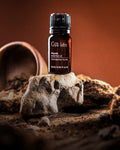

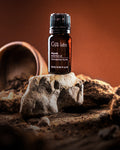
Magnesium and lavender can complement a calming nighttime routine by combining a simple massage with a relaxing aroma. Magnesium is an essential mineral, while lavender is commonly used in aromatherapy for its soothing scent. Together, they can be incorporated into a gentle leg massage and wind down ritual, although evidence for topical magnesium and its effects on sleep remains limited.
Some evenings, getting ready for bed should be easy.
You finish dinner, turn off your laptop, brush your teeth, and expect your body to understand that it’s time to slow down.
Except your legs didn’t get the memo.
They’re fidgety. You keep shifting positions. Maybe you stretch, get back into bed, shift again, and wonder why something as simple as getting comfortable suddenly feels like a project.
I’ve had plenty of those evenings.
And I’ve found that trying harder to relax usually makes the opposite happen. Instead, I prefer giving my body a simple signal that the day is winding down. A warm shower, dimmer lights, a few slow stretches, and a gentle leg massage can turn those restless-feeling evenings into something much calmer.
Adding lavender to that routine brings another layer: a soft, familiar aroma that makes the whole ritual feel more intentional.
Magnesium is often included in nighttime wellness routines too. While research on magnesium and sleep remains limited and findings are mixed, magnesium is an essential mineral involved in many normal functions in the body. Evidence specifically supporting topical magnesium for sleep or relaxation is still uncertain, so I think of magnesium oil as one optional part of a calming self care ritual rather than a treatment.
The combination of a gentle massage, a familiar scent, and a few quiet minutes may be the real beauty of the routine.
Why an Evening Leg Ritual Feels Good
There is something surprisingly relaxing about giving your legs a few minutes of attention at the end of the day.
We spend hours walking, standing, sitting at desks, climbing stairs, commuting, exercising, and generally asking our legs to keep going without giving them much thought.
Then bedtime arrives and suddenly we’re asking them to switch off.
That transition doesn’t always happen instantly.
This is where a calming leg massage can become a useful part of a wind down routine. Massage gives you a reason to slow down, while the repeated movement creates a small ritual that separates daytime activity from bedtime.
I like to think of it as closing the tabs in your body.
You don’t need an elaborate spa setup. You can sit on the edge of the bed, apply a small amount of your chosen massage oil, and spend five minutes working from the feet upward with slow, comfortable strokes.
Lavender fits naturally into this kind of routine because its floral aroma is soft rather than overpowering. It is also one of the most familiar choices for people exploring lavender for sleep as part of their nighttime aromatherapy habits.
The goal isn’t to force yourself to fall asleep.
It’s simply to create an environment that feels calm enough for bedtime.
Magnesium + Lavender: The Pairing
Magnesium and lavender appeal to different parts of the ritual.
Magnesium is a mineral your body needs for normal physiological functions, while lavender is an aromatic botanical commonly used in aromatherapy. That makes them an interesting pairing for a nighttime routine, but it’s important not to turn that pairing into a medical promise.
There is some research into magnesium for sleep, but the evidence isn’t conclusive. NCCIH notes that research is limited, and reviews have produced mixed findings.
Topical magnesium deserves an additional caveat. Although magnesium-containing sprays, creams, and baths are widely marketed, research on how reliably magnesium crosses intact skin is still unsettled. A 2026 ex vivo study found that magnesium permeation through intact skin was minimal under its experimental conditions, while earlier research has produced different findings.
So why include it in a wellness routine?
Because the ritual itself can be enjoyable.
If you already like using a topical magnesium product, combining that routine with a properly diluted lavender massage can turn a functional step into a more relaxing evening habit.
Think ritual, not remedy.
That’s an important distinction.
Where Lavender Comes In
Lavender adds the aromatic component.
I particularly like lavender at night because it doesn’t demand attention. It sits quietly in the background.
You can apply a diluted lavender massage blend to your legs, diffuse lavender in the room, or simply add the aroma to another part of your bedtime routine. If you'd like to explore more blend ideas to pair with this ritual, our DIY sleep essential oil blend guide covers a range of evening recipes worth trying.
And if you prefer something a little more complex, lavender pairs beautifully with oils such as cedarwood, Roman chamomile, or frankincense.
For a nighttime routine, though, I usually recommend starting with one or two oils rather than creating a complicated blend.
The Calming Leg Massage Recipe
This is the part I like most because it doesn’t require much preparation.
If you’re already using a topical magnesium oil or spray, follow the directions on that specific product rather than trying to increase the amount yourself.
For the aromatic massage component, make a simple diluted lavender blend.
What You'll Need
Patch Test Reminder
Before applying any new blend to your skin, test a small amount of the diluted mixture on your inner arm. Wait 24 hours. Discontinue use immediately if redness, itching, or irritation develops. Do not apply essential oils to broken or irritated skin.
• 1 tablespoon jojoba oil or another suitable carrier oil
• 2 drops lavender essential oil
• A clean glass container
Mix the ingredients thoroughly before use.
If you want to incorporate a magnesium product, use it according to the manufacturer’s directions. Don’t assume that adding more products will make the routine more effective.
Dilution and Amounts
For a small massage area, I prefer keeping the essential oil concentration modest.
The recipe above produces approximately a 2% dilution, which is a commonly used starting point for adult topical aromatherapy. If you’re new to essential oils, have sensitive skin, or are unsure about an appropriate dilution, use a lower concentration or consult a qualified aromatherapy professional.
The amount of magnesium oil is different because products vary significantly in concentration and formulation.
That’s why there isn’t one universal answer to “how much magnesium oil should I use?”
Follow the directions printed on your particular product.
And remember, topical magnesium should not be treated as a guaranteed way to increase your body’s magnesium levels. Evidence around transdermal delivery remains uncertain.
Massage Technique
You don’t need to massage aggressively.
In fact, I prefer slow, comfortable movements.
Start around the ankles and work gradually upward toward the calves. Use the palms of your hands and long, gentle strokes.
If a particular area feels tender, don’t press harder.
Move around it.
The objective is relaxation, not a deep tissue workout.
Spend roughly one to two minutes on each leg, breathing slowly as you go.
I find that the repetitive motion is almost as important as the oil itself. After a busy day, having something simple to concentrate on can make it easier to stop mentally running through tomorrow’s to do list.
This is what makes essential oils for legs at night particularly appealing as a wellness practice. You’re not simply applying an aroma. You’re creating a small pause between your active day and your bedtime.
Building It Into a Wind Down
The biggest mistake with bedtime routines is making them too complicated.
I’ve seen routines that involve special teas, supplements, three different diffusers, stretching programs, elaborate skincare, journaling, meditation, and a dozen other steps.
That’s wonderful if it works for you.
But if you’re exhausted, you’re unlikely to follow a 45-minute routine every night.
Mine is much simpler.
About thirty minutes before bed, I start reducing stimulation.
The lights get softer.
My phone goes farther away.
I take a warm shower if I need one.
Then I spend five minutes on my legs.
That’s when the massage comes in.
If I’m using a magnesium product, I follow its directions. Then I apply my diluted lavender blend and massage slowly.
Sometimes I’ll diffuse lavender while I get ready for bed. Other nights I don’t use a diffuser at all.
The routine doesn’t need to look identical every night.
Consistency matters more than perfection.
A Simple 10 Minute Version
If you want the shortest possible version, try this:
• Minute 1: Put your phone aside.
• Minutes 2 to 3: Take a few slow breaths and stretch your ankles and calves gently.
• Minutes 4 to 8: Apply your diluted lavender massage oil and massage each leg.
• Minutes 9 to 10: Sit quietly, lower the lights, and let the aroma fade into the background.
That’s it.
No complicated equipment.
No elaborate preparation.
Just a repeatable signal that the day is ending.
Other Oils That Work Well in a Nighttime Leg Massage
Lavender doesn’t have to work alone. If you enjoy experimenting with nighttime blends, our bedtime essential oils guide covers a broader range of combinations worth exploring.
Roman Chamomile
Roman chamomile has a sweet, mild, herby scent. I love it when lavender feels too familiar and I want something a little unexpected. One or two drops can sweeten any basic bedtime blend.
Cedarwood
Cedarwood takes the blend in a warmer, woodier direction.
It’s a good option if floral aromas aren’t really your thing.
Try combining one drop of cedarwood with two drops of lavender in your carrier oil.
Frankincense
Frankincense adds a resinous, earthy character.
I like it when I want the massage to feel more like a complete evening ritual rather than simply a skincare step.
The important thing is not to add every oil you own.
Pick one or two aromas you genuinely enjoy.
If you don’t like the smell, you won’t look forward to the routine.
Comfort and Safety Notes
A relaxing ritual should feel comfortable from beginning to end.
There are a few things I always keep in mind.
Patch Test First
If you’re using a new essential oil or carrier oil, test a small amount on an inconspicuous area of skin first.
Essential oils can cause irritation or allergic reactions in some people. NCCIH also notes that skin irritation and allergic reactions can occur with topical essential oil use.
Don’t Apply Essential Oils Undiluted
Essential oils are concentrated botanical extracts.
A massage blend should contain a properly diluted amount rather than neat essential oil.
Don’t Massage Over Broken or Irritated Skin
If your skin is scraped, inflamed, or otherwise compromised, skip the aromatic massage over that area.
Follow Your Magnesium Product’s Directions
Magnesium sprays and oils vary in formulation.
Use the amount and frequency specified by the manufacturer.
More isn’t necessarily better.
Pay Attention to Persistent Symptoms
A nighttime wellness ritual is appropriate for general relaxation and self care.
It shouldn’t be used to self-treat persistent or unexplained leg symptoms.
If your legs regularly feel uncomfortable at night, the sensations are painful, they interfere with sleep, or you’re concerned about what’s causing them, speak with a healthcare professional.
Keep the Routine Comfortable
If a product stings, burns, or causes noticeable irritation, wash it off and stop using it.
Your nighttime ritual should feel soothing, not like something you have to tolerate.
A Few Simple Ways to Make the Ritual Feel Better
You don’t need to turn your bedroom into a spa.
Small changes are enough.
• Try dimming the lights before starting your massage.
• Keep your massage oil beside your bed so you don’t have to search for it.
• Warm the carrier oil between your palms before applying it.
• Play quiet music if you enjoy it.
• Keep your phone out of reach.
And perhaps most importantly, don’t treat the routine like another task you have to complete perfectly.
The whole point is to slow down.
Gya Labs Picks for Your Nighttime Ritual
If you’re building this routine with Gya Labs oils, lavender is the natural starting point — soft, floral, and consistently popular for evening routines. For dilution, jojoba oil (linked above in the recipe) gives the blend a lightweight base that applies easily without heaviness.
If you prefer a ready made option that skips the blending step entirely, our Calming Massage Oil is designed for slow at home massage and evening body care. For something portable and already diluted, the Sleep Well Roll-On applies directly to pulse points without measuring or mixing. Browse the full sleep collection for more nighttime options.
Final Takeaway
Your body doesn’t need a fix each night. It wants an off switch. A 5 minute leg massage isn’t going to make every difficult night disappear — and I don’t want to suggest that it will — but there is value in building a habit of genuinely stepping away from the day and giving yourself conscious permission to check out.
That’s where the magnesium and lavender pairing makes the most sense.
Magnesium can be one component of a personal wellness routine, while lavender brings an enjoyable aromatic element. Add gentle massage, lower lighting, and a few quiet minutes, and you’ve created something much more useful than a complicated list of products.
A routine doesn’t have to be impressive to be effective as a habit.
It just has to be one you’ll actually look forward to repeating.