



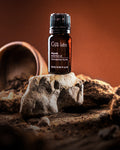

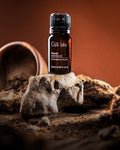
Winter essential oils often feature bright citrus, dry woodsy, rich resinous, and warm spice aromas. Sweet Orange offers a fresh, sweet citrus scent, Cedarwood adds a dry, earthy woodsy character, and Frankincense brings a rich, resinous aroma. These oils can be explored individually or paired to create a cozy winter home fragrance, depending on your scent preferences.
As temperatures drop and days become shorter, the scents we enjoy at home often change too. Bright, fresh fragrances can make way for warmer, woodsy and spice-inspired aromas that create a different seasonal atmosphere. Choosing the right winter essential oils is less about following a seasonal rule and more about finding fragrance notes that suit your preferences and living space.
Some people gravitate towards the sweet, uplifting scent of citrus, while others prefer the dry, earthy character of cedarwood or the rich, resinous aroma of frankincense. Spice-inspired notes offer another direction, bringing a distinctive warmth to seasonal fragrance combinations.
Whether you're exploring essential oils for winter diffuser blends or looking for ideas for winter home fragrance, understanding these scent families can make choosing easier. Let's compare their aromatic characteristics, explore combinations and find a winter fragrance direction that feels right for your home.
What Makes a Scent Feel Wintry?
Winter fragrances are often associated with warmth, comfort and richness. Unlike the lighter, fresher scent combinations people may prefer during warmer months, winter home fragrance frequently features deeper, more rounded aromatic profiles.
However, there is no single definition of a winter scent. Personal preferences and familiar seasonal associations play a significant role in how an aroma is perceived.
Three broad fragrance families are particularly useful when exploring winter aromatherapy:
-
Citrus aromas: Sweet, fresh and bright, citrus notes introduce a lively contrast to richer seasonal fragrances.
-
Woodsy and resinous aromas: Earthy, dry, warm and sometimes balsamic, these scents create a deeper aromatic character.
-
Spice aromas: Rich, distinctive and sometimes sweet or sharp, spice-inspired notes add complexity to seasonal fragrance combinations.
Combining these families offers plenty of possibilities. For example, citrus can brighten a woodsy combination, while resinous notes can introduce depth to a sweeter fragrance.
The idea is to choose aromas that complement one another rather than assuming every winter blend needs to smell strongly of spice or wood.
Winter Essential Oils at a Glance
If you're deciding which essential oils to explore this season, start by comparing their scent profiles. Sweet Orange, Cedarwood and Frankincense offer three different aromatic directions that can work independently or complement one another.
|
Essential Oil |
Scent Family |
Aroma Description |
Pairing Suggestions |
|---|---|---|---|
|
Sweet Orange |
Citrus |
Sweet, fresh, juicy, and bright |
Cedarwood, Frankincense, and other citrus aromas |
|
Cedarwood |
Woodsy |
Dry, woody, earthy, and warm |
Sweet Orange, Frankincense, and spice-inspired notes |
|
Frankincense |
Resinous |
Rich, balsamic, woody, and resinous |
Sweet Orange, Cedarwood, and floral aromas |
A note on product labels: Before choosing an essential oil for a particular application, check its botanical identity, extraction information and product-specific directions. Scent descriptions help with fragrance selection, while product labels provide the relevant usage information.
Explore Gya Labs Winter Warmth Collection for seasonal fragrance inspiration or browse the Essential Oil Singles Collection to discover individual aromas.
Choose Your Winter Scent Family
The easiest way to choose essential oils for winter is to begin with the fragrance family you naturally enjoy. You might prefer something fresh and lively, something earthy and grounding, or something rich and spice-inspired.
Bright Citrus Aromas
Citrus essential oils offer a new, fruity scent to mix with your fragrances this winter season. They can create a lift for any scent profile and keep it from feeling too heavy.
Sweet Orange Essential Oil is a useful starting point if you enjoy familiar, juicy citrus aromas. Its sweet orange essential oil scent has a fresh, fruity character that can complement deeper fragrance notes.
For winter home fragrance, consider how citrus changes the overall character of a combination:
-
Paired with cedarwood, it introduces a brighter contrast to the dry, woody aroma.
-
Combined with frankincense, it creates a contrast between fresh citrus and rich resinous notes.
-
Used alongside other citrus oils, it creates a more pronounced citrus-led fragrance direction.
Sweet Orange is particularly useful when you want to explore citrus essential oil blends without making the entire combination exclusively citrus-based.
Explore Gya Labs Sweet Orange Essential Oil to discover this fragrance profile.
Woodsy and Resinous Aromas
If you prefer deeper fragrance profiles, woodsy and resinous essential oils offer two distinct directions for winter blends.
Although Cedarwood and Frankincense can complement one another, they should not be treated as interchangeable. Their aromatic characteristics are different.
Cedarwood Essential Oil
Cedarwood is associated with a dry, earthy and woody aroma. Its character makes it a natural option for people who enjoy forest-inspired fragrances and deeper woodsy essential oil blends.
It can be paired with citrus notes when you want a contrast between freshness and warmth. Sweet Orange, for example, introduces a fruity brightness that changes the overall character of a cedarwood-led combination.
Cedarwood can also work alongside spice-inspired aromas when you prefer a richer fragrance direction.
Explore Gya Labs Cedarwood Essential Oil.
Frankincense Essential Oil
Frankincense has a distinct resinous aroma, often described as rich, balsamic and woody. Compared with Cedarwood's dry woodsy character, frankincense introduces a deeper resin-like dimension.
The frankincense essential oil aroma can complement both citrus and woodsy notes, making it an interesting option for more layered winter essential oil blends.
Consider these pairing directions:
-
Sweet Orange and Frankincense for a contrast between fresh citrus and rich resinous notes.
-
Cedarwood and Frankincense for a deeper woodsy and resinous fragrance.
-
Frankincense with floral aromas for a more balanced combination of fragrance families.
Explore Gya Labs Frankincense Essential Oil.
Spice Aromas and Gentler Alternatives
Spice-inspired aromas are often associated with winter because of their rich, distinctive fragrance profiles. Depending on the oil, these notes can be sweet, dry, warm, sharp or slightly woody.
They can introduce complexity to winter diffuser blends, particularly when combined with citrus or woodsy aromas.
However, spice is not essential to creating a seasonal fragrance. If you find strong spice notes overwhelming, there are several alternatives worth exploring.
Consider:
-
Sweet Orange: For a fresh, sweet citrus-led fragrance.
-
Cedarwood: For a dry, earthy and woodsy scent.
-
Frankincense: For a rich, resinous and balsamic aroma.
-
Citrus and woodsy combinations: For a balance between bright and deeper fragrance notes.
If you prefer winter essential oil blends without cinnamon, these combinations provide different aromatic directions without relying on cinnamon-led fragrances.
Remember that fragrance intensity and personal scent preferences are different from product safety. Always follow the individual product label and appropriate usage instructions.
Three Aroma Pairing Directions for Winter
You do not have to find complex recipes to enjoy winter diffuser blends. Knowing what fragrance families are good with what other families will help you get started!
Here are three aromatic combinations to consider.
1. Citrus + Woodsy
Sweet Orange + Cedarwood
This combination brings together two contrasting fragrance profiles. Sweet Orange contributes a bright, fruity citrus character, while Cedarwood adds a dry, earthy and woody dimension.
The result is a balanced fragrance direction for anyone who enjoys citrus and woodsy essential oil combinations for winter.
2. Citrus + Resinous
Sweet Orange + Frankincense
If you enjoy citrus but want something with more aromatic depth, this pairing is worth exploring.
Sweet Orange provides a fresh, sweet opening, while Frankincense contributes a richer resinous character. Together, they create an interesting contrast between bright and deeper scent notes.
3. Woodsy + Resinous
Cedarwood + Frankincense
More suitable for those who love winter fragrances with a deeper note – this combination features dry woods and warm resins.
Earthy cedarwood brings a grounded base and more rounded balsamic feel to the blend. Great for anyone who loves layered, non-citrus forward blends.
These are aromatic pairing suggestions rather than fixed formulations. If using a diffuser, follow its manufacturer's instructions and the individual essential oil labels.
Choose a Scent for Your Room
The best essential oils for winter home fragrance depend on the atmosphere you want to create and the people sharing your space.
Rather than choosing oils simply because they are associated with winter, consider the following factors.
1. Start with your fragrance preference
Consider your baseline of fragrances. If you gravitate towards fresh, fruity fragrances, start by thinking about what fruit that is. If you like woodsy notes then you might start with Cedarwood. If you like more resinous notes then consider trying Frankincense.
2. Consider the size and purpose of your space
A fragrance that feels pleasant in a larger living area might feel too noticeable in a smaller bedroom. Consider the room, ventilation and the preferences of anyone sharing the space.
3. Pay attention to scent intensity
Some of the aromas will dominate a bit more. Those who wish for a less strong scent experience in the room in winter should begin with a simple combination. Don't start with many aromatic profiles.
4. Consider shared-space comfort
The same fragrance isn't pleasing to everyone: Family, friends and even pets! Consider your shared environments, take the time to ventilate well and go fragrance free where it's needed.
5. Don't feel obligated to use fragrance
A seasonal fragrance is a personal choice, not a requirement. Sometimes, an unscented room is the most comfortable option.
Diffuser Use and Skin Use Are Different
An important consideration when exploring winter essential oils is understanding that diffuser use and topical application are not the same.
An essential oil suitable for one application should not automatically be assumed suitable for another. The method, concentration, product formulation and individual usage instructions all matter.
For diffuser use:
-
Follow the diffuser manufacturer's recommended operating instructions.
-
Refer to the essential oil label for application guidance.
-
Consider room size, ventilation and the preferences of people sharing the space.
-
Avoid continuous or excessive fragrance exposure.
-
Keep diffusers and essential oils appropriately out of reach of children and pets.
For topical use:
-
Never assume an oil can be applied directly to the skin.
-
Use the dilution and application as specified for the product.
-
Only use products approved for intended topical application.
-
Check product-specific safety information before use.
-
If irritation occurs, discontinue use and get appropriate advice.
If you want to understand more about using essential oils in different applications, explore Gya Labs' existing essential oil usage and dilution guides.
The key distinction is simple: diffuser combinations are selected for their aromatic character, while topical formulations require separate attention to product suitability and application instructions.
Final Thoughts
Don't be afraid to play around with a variety of scent options for the winter season. Citrus, dry wood, nice resins and spice incense can all add variety to home fragrances for the winter.
For those who prefer fresh and fruity fragrances, sweet orange is a good option. For a more intense and earthy fragrance go for a pinch of Cedarwood. If you enjoy balsamic smells then Frankincense is another choice.
There is no single formula for the perfect winter scent. Explore different combinations, consider the fragrance intensity you enjoy and choose aromas that feel comfortable in your home.
Discover the Gya Labs Winter Warmth Collection and explore essential oils that bring your preferred seasonal fragrance profile to life.