



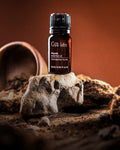

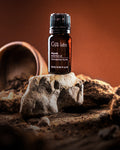
Making essential oil sachets is surprisingly easy. Fill a small breathable cotton or muslin bag with uncooked rice, dried lavender buds, or a blend of both. Add 8 to 10 drops of lavender and cedarwood essential oil, close the bag, give it a quick shake, and place it in the drawer, closet, or box you want to keep fresh. Refresh with a few more drops every few weeks no need to replace it.
Open your closet.
Now imagine the scent that greets you.
If it's fresh linen, soft lavender, or clean cedarwood, you're off to a good start. If it's a little musty or simply smells like...nothing, you're not alone. Closets, drawers, and storage bins don't get much airflow, so they naturally lose that fresh feeling over time.
One of my favorite ways to solve this is with DIY sachets.
They're inexpensive, reusable, easy to customize, and they don't require electricity, batteries, or synthetic air fresheners. I started making them years ago after getting tired of replacing store-bought closet fresheners that seemed to lose their scent within a week. Once I realized I could refresh the same sachet with a few extra drops of essential oil, I never looked back.
Whether you're organizing a linen closet, freshening dresser drawers, or storing seasonal clothing, essential oil sachets are one of the simplest projects you can make in under ten minutes.
How Do You Make Essential Oil Sachets?
Making essential oil sachets is surprisingly easy. Fill a small breathable cotton or muslin bag with uncooked rice, dried lavender buds, or a blend of both. Pour in 8 to 10 drops of lavender and cedarwood essential oil, close up the bag, give it a quick shake, and toss it in the drawer, closet, or box where you want things to smell nice. Renew with a few more drops of oil every few weeks. That refresh step is what makes the sachets so practical.
I'm not tossing these when they start to lose their smell. I'm just adding more drops and going.
Much better than running out to rebuy new ones.
Why DIY Sachets Work Better Than Store-Bought Closet Fresheners
I've bought plenty of commercial closet fresheners over the years, and most followed the same pattern. They smelled wonderful for the first few days, gradually faded, and eventually became another item to throw away.
A reusable sachet works differently.
Because you're making it yourself, you control the scent, the ingredients, and how strong you want the fragrance to be. If lavender isn't your favorite, swap it for cedarwood. Want something brighter? Add a little lemon or sweet orange. Prefer a spa-like aroma? A touch of eucalyptus can completely change the blend.
Another reason I prefer homemade sachets is that they don't overwhelm a small space. I don't want my sweaters smelling like perfume. I simply want my closet to smell clean every time I open the door.
They're also incredibly versatile. I keep them in bedroom drawers, guest room closets, luggage, storage bins, and even inside pillowcase storage bags. They travel well, don't leak, and take up almost no space.
If you're looking for a simple DIY closet freshener, this is probably the easiest project you'll ever make.
What Should You Fill a Sachet With?
The filling is just as important as the essential oils because it helps absorb and slowly release the fragrance over time.
I've experimented with everything from dried herbs to baking soda, but I keep coming back to three simple ingredients.
Rice
Plain uncooked white rice is inexpensive, easy to find, and absorbs essential oils surprisingly well. It slowly releases the fragrance over several weeks and is one of the best choices if you're making several sachets at once.
Rice is my go-to filler when I'm organizing multiple closets because it's affordable and consistently reliable.
Dried Lavender Buds
If you enjoy the classic scent of lavender, dried buds are a wonderful option. They provide a subtle natural fragrance even before you add essential oils and make the sachets feel a little more decorative.
This is usually my choice when making lavender sachets as DIY gifts for friends or family.
Cotton Balls
Cotton doesn't hold quite as much fragrance as rice, but it's incredibly simple to use. I often tuck a few cotton balls into smaller sachets that will be placed inside handbags or travel organizers.
My Favorite Combination
After experimenting with various filler combinations over the years, I've landed on the one I now swear by: uncooked rice with dried lavender buds. The rice soaks up the oil nicely, while the lavender adds texture and its own faint aroma. The result is a sachet that holds its scent for weeks and is easily revived with a few more drops of essential oil.
The Best Essential Oils for Closets and Drawers
One question I hear often is whether one essential oil is enough.
Sometimes it is.
But blending two or three oils usually creates a richer, more balanced fragrance.
These are the oils I use most often.
Lavender
If there's one scent associated with linen closets, lavender is probably it. The gentle aroma is clean and pretty without being overwhelming.
Whenever I'm refreshing bedding or towels, lavender is almost always my first choice. It gives linens that freshly washed feeling even when they've been stored for a while.
Cedarwood
If lavender is the classic linen scent, cedarwood is the classic closet scent.
The warm, woody aroma is settling and works beautifully for drawers stuffed with winter sweaters, jackets, and other seasonal clothing. Cedarwood blends particularly well with warmer or sweeter floral oils, so the combined fragrance is less overpowering and perfumey.
Lemon
For me, lemon signals a sunny disposition. Put a few drops in a closet and you instantly notice it smells fresh, just in time for spring cleaning. It's one I always combine with lavender, because by itself it doesn't quite feel as clean as the two together.
Sweet Orange
Sweet orange's warmth offers just enough zing to stay bright. It fills a space with a cozy, inviting scent, which I love in entryway closets and guest rooms.
Eucalyptus
For linen closets, eucalyptus brings a crisp, spa-like freshness that makes towels and bedding feel freshly laundered every time you reach for them.
My Favorite Closet Blends
After experimenting with dozens of combinations, these are the blends I keep making again and again.
|
Purpose |
Essential Oil Blend |
|
Fresh Linen Closet |
Lavender + Cedarwood |
|
Everyday Bedroom Closet |
Lavender + Sweet Orange |
|
Guest Room Drawers |
Lavender + Lemon |
|
Seasonal Clothing Storage |
Cedarwood + Lavender |
|
Spa-Inspired Linen Closet |
Lavender + Eucalyptus |
None of these blends are complicated, and that's exactly why I like them. They smell clean, balanced, and natural without trying too hard.
I've found that a pair of very simple oils tends to smell more “done” than most six- or seven-oil blends, and a simple blend is easy to fix up later because you can remember what went into the original.
The Simple Recipe I Use Again and Again
If you've never made homemade drawer sachets before, don't overthink it. The beauty of this project is its simplicity. You only need a handful of ingredients, and chances are you already have most of them at home.
I've made these sachets for my own closets, guest rooms, holiday storage bins, and even as small gifts tucked into care packages. They're inexpensive, reusable, and surprisingly satisfying to make.
DIY Closet & Drawer Sachets (makes 4)
- 4 small cotton or muslin drawstring bags
- 1 cup uncooked white rice
- 1/2 cup dried lavender buds (optional but recommended)
- 8 drops Lavender Essential Oil
- 5 drops Cedarwood Essential Oil
- Small mixing bowl + spoon
If you don't have dried lavender, simply increase the rice slightly. The sachets will still work beautifully.
How to make them:
1. Combine the rice and dried lavender in a small bowl.
2. Add the essential oils directly onto the mixture.
3. Stir gently until the oils are evenly distributed.
4. Let the mixture sit for five to ten minutes so the rice can absorb the fragrance.
5. Fill each cotton bag about two-thirds full.
6. Tie the bags securely and gently shake them before placing them in your closet or drawers.
That's it. The entire project usually takes me less than fifteen minutes, including cleanup.
One little trick I've learned is to make several sachets at once. Since the ingredients are already out on the counter, it only takes a few extra minutes to prepare enough for multiple closets or drawers.
How to Refresh Your Sachets When the Scent Fades
One of the biggest advantages of reusable sachets is that you don't need to throw them away once the fragrance starts to fade.
Instead, simply untie the bag and add three to five fresh drops of essential oil directly onto the filling. Give the sachet a gentle shake, allow it to sit for an hour, and it's ready to use again.
I usually refresh mine every three to four weeks, although the timing depends on where they're stored. A frequently opened dresser drawer tends to lose fragrance faster than a rarely used linen closet.
If you notice the rice beginning to discolor or the lavender buds breaking down after several months, replace the filling and reuse the same fabric bag.
It's a small habit, but one that saves money and reduces waste over time.
Do Sachets Help Repel Moths?
This is probably the question I hear most often after people start making closet sachets.
The answer is that cedarwood and lavender have long been traditional choices for wardrobes and linen storage. Many people use them as part of a broader approach to keeping closets fresh and protecting stored clothing.
That said, essential oil sachets shouldn't be viewed as a guaranteed solution for moth infestations.
Storing seasonal woollens?
If your main goal is protecting sweaters and coats from moths rather than just scenting the space, our dedicated guide to keeping moths away from clothes covers cedar-chip sachets and storage habits in more detail.
If you're storing seasonal sweaters, blankets, or wool coats, cedarwood sachets can be a useful addition alongside good storage habits, clean clothing, and regular closet maintenance.
I personally keep cedarwood sachets inside storage bins that hold winter clothing during the warmer months. They leave everything smelling fresh when it's time to unpack the clothes again.
A Few Extra Ways to Use Sachets Around the House
Once you've made your first batch, you'll probably start finding new places to use them.
Some of my favorites include:
• Inside dresser drawers
• Linen closets
• Entryway closets
• Gym bags
• Suitcases while traveling
• Storage bins for seasonal clothing
• Pillowcase and blanket storage
• Guest room closets
• Bathroom towel cabinets
I even keep one in the basket where I store extra throw blankets. Every time I grab one on movie night, it still carries a light, clean fragrance.
It's a small detail, but it makes the whole house feel a little more cared for.
Keeping Closets Smelling Fresh Naturally
Making sachets is only one part of the equation. If you're wondering how to keep your closet smelling fresh naturally, a few simple habits can make a noticeable difference.
Start by washing clothing before storing it for long periods, especially seasonal items. Even if something looks clean, body oils and everyday odors can linger in fabrics over time.
Try not to overcrowd shelves or hangers. Good airflow helps prevent stale odors from building up, especially in closets that stay closed for long periods.
I also love leaving closet doors open for an hour or so every couple of weeks when I'm home. It seems almost silly, but fresh air is good stuff.
And lastly, try rotating sachets from closets to drawers and back every month. It distributes the aroma more thoroughly and acts as a reminder to refresh them. If you'd like a spray to use alongside them, our DIY linen spray is a good companion for a quick refresh between sachet top-ups.
Safety Tips Before You Get Started
Essential oils are simple to use, but a couple of pointers are worth remembering when working with them.
• Always use essential oils sparingly. More oil doesn't equal more potency.
• Store essential oils away from children and pets.
• Keep sachets in breathable fabric bags rather than plastic containers.
• Avoid placing freshly oiled sachets directly on delicate silk or unfinished fabrics until the oils have been fully absorbed.
• If you're sensitive to fragrance, start with fewer drops and adjust as needed.
I also recommend labeling your sachets if you're making different scent combinations. Trust me, after you've made six or eight of them, it's surprisingly easy to forget which blend is which.
Final Thoughts
Over the years I've bought sprays, diffusers, closet sachets, and just about every other commercial air freshener available. Somehow, I always circle back to the simplest DIYs.
These closet sachets are ridiculously easy to make, inexpensive to refresh, and have a place everywhere in the home. Best of all, they let you craft your own signature scent instead of settling for a chemical concoction that vanishes in days.
They make an ideal weekend-afternoon project. Once you see how easy they are to whip up and how little it costs to refresh them, you'll be slipping one into every nook and cranny.