


For a simple lip oil, combine 1 teaspoon jojoba oil, half a teaspoon calendula infused oil and a quarter teaspoon rosehip oil in a clean glass container and transfer to a roller. For cuticles, use the same base with rosehip reduced to 2 or 3 drops. Both are carrier oil blends with no essential oils, which is the safer choice for the lip area.
The first cold snap often brings a familiar change: lips feel drier, hands lose their softness, and cuticles start looking rough. A simple lip oil or cuticle oil made with lightweight carrier oils can add a comfortable layer of moisture and help keep skin and nails looking soft and conditioned throughout the cooler months.
Why Lips and Cuticles Feel It First
When temperatures drop, cooler air and indoor heating can leave the skin feeling less comfortable and more prone to dryness. Lips and cuticles are especially noticeable because they are exposed to the elements and have little natural protection compared with other areas of the body. If you want the longer explanation of what is happening to lips specifically, our guide to fixing dry lips covers the causes in more detail.
This is where a simple oil based routine can be useful. Carrier oils create a smooth, conditioning layer over the skin, helping lips, hands, and cuticles feel softer and more supple.
For fall and winter lip care, look for lightweight oils that spread easily without feeling overly heavy. For cuticles, richer oils can provide a nourishing finish while making nails and the surrounding skin look polished.
Choosing Your Carrier Oils
Carrier oils are the foundation of most DIY lip and nail oil recipes. They can be used on their own or combined to create a customized blend. All three below are cosmetic grade and available in the Gya Labs carrier oil range.
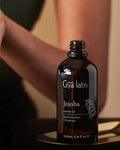
Jojoba Oil
Jojoba is a popular choice for both lip and cuticle oil because of its lightweight, silky texture. It spreads easily and leaves skin feeling conditioned without a greasy finish.
For a simple nail and cuticle oil, jojoba can be used on its own or combined with another botanical oil.
Calendula Infused Oil
Calendula infused oil is another option for a comforting, botanical skincare routine. Its golden color and smooth texture make it a natural fit for DIY body and cuticle blends.
When using calendula for skin, choose an oil based calendula infusion intended for cosmetic use rather than assuming that every calendula product is interchangeable. Note the allergy point further down if you react to daisies or ragweed.
Rosehip Oil
A small amount of rosehip oil adds a lightweight botanical touch to a blend. Because rosehip has a distinctive color and texture, it works best as a supporting ingredient rather than the only oil in a recipe.
Rosehip is also the shortest lived of the three. It is high in unsaturated fatty acids, which is what makes it feel light, and also what makes it oxidise faster than jojoba. Buy small bottles, keep it cool and dark, and use it up.
DIY Lip Oil
If you're looking for a simple DIY lip oil for chapped lips, a carrier oil blend is one of the easiest places to start. You don't need a complicated formula to create a smooth, glossy lip oil.
Simple Lip Oil Recipe
Ingredients
· 1 teaspoon jojoba oil
· Half a teaspoon calendula infused oil
· A quarter teaspoon rosehip oil
How to make it
1. Add the oils to a clean, dry glass container.
2. Stir or gently swirl until evenly combined.
3. Transfer the mixture into a clean lip oil roller or small cosmetic container.
4. Apply a small amount to clean lips whenever they feel dry.
5. Keep the container closed between uses.
This simple lip oil recipe gives you a lightweight blend with a smooth finish. If you prefer a less glossy texture, reduce the amount applied rather than adding extra ingredients.
DIY Cuticle Oil
A homemade cuticle blend can be just as simple. If you're searching for how to make cuticle oil, start with a lightweight carrier oil and add a second oil for texture.
Simple Cuticle Oil Recipe
Ingredients
· 1 teaspoon jojoba oil
· Half a teaspoon calendula infused oil
· 2 to 3 drops rosehip oil
How to make it
6. Pour the carrier oils into a clean, dry container.
7. Mix gently.
8. Transfer the blend to a small roller bottle or nail oil brush bottle.
9. Apply a small amount around each nail and cuticle.
10. Massage the oil gently into the surrounding skin.
This cuticle oil recipe works as part of a regular nail care routine. A small amount is usually enough, because the goal is to lightly coat and condition the area without leaving excess oil on the fingers.
Customizing Your Blend
You can adjust the carrier oils according to the texture you prefer. Jojoba works well as a lightweight base, while botanical infused oils add a richer feel. The best oil for dry cuticles is simply the one that gives you the texture you like and fits easily into your routine. A light oil may be ideal for daytime, while something heavier can be more comfortable in an evening nail routine.
For lip products, keep the ingredient list especially simple. Lips are a sensitive area, they are inevitably ingested in small amounts, and not every cosmetic ingredient is appropriate for use around the mouth. If your lips are already uncomfortable, keep the formula minimal and avoid experimenting with strongly scented ingredients.
One blend can serve both purposes. A plain carrier oil such as jojoba works for lips and cuticles alike when the product is cosmetic grade and suitable for the area you're applying it to. Keep a small amount in a clean container and use separate applicators for lips and nails so each stays fresh and hygienic. Avoid adding essential oils to a shared blend simply to make it smell nicer. A plain carrier oil works perfectly well without added scent.
Essential Oils and the Lip Area
Not every essential oil is suitable for use on the lips, and the simplest approach for a DIY lip oil is to use carrier oils with no essential oils at all.
An essential oil being natural, pure, or suitable for general topical aromatherapy does not automatically make it appropriate for lip use. Oils with a strong warming, cooling, or spicy character are particularly unsuitable for the lip area. Peppermint, cinnamon bark, clove and similar oils fall into this group.
If you do choose to include an essential oil in a lip product, use only an ingredient specifically labelled and formulated for lip or flavour use, follow the supplier's recommended dilution, and never apply essential oils directly to the lips. Our dilution guide and safety and dilution reference cover the ratios for other applications.
For most people, a basic carrier oil lip blend is the more straightforward choice for winter lip care.
Patch Testing and Allergies
These are leave on products, so it is worth spending two minutes on this before you make a full batch.
· Patch test first. Apply a small amount of the finished blend to the inside of your forearm and leave it for 24 hours before using it on your lips or around your nails. Do this whenever you change an ingredient, not just the first time.
· Calendula and the daisy family. Calendula belongs to the Asteraceae family, alongside ragweed, chamomile, daisies and chrysanthemums. If you react to any of those, there is a chance of cross reactivity, so patch test calendula on its own before blending it.
· Keep it cosmetic grade. Because lip products are ingested in small amounts, use oils intended for cosmetic or food use rather than anything sold for another purpose.
· Stop if it stings. A lip or cuticle oil should feel neutral. Tingling, warmth or stinging is a reason to wash it off, not a sign that it is working.
How Often to Apply
You can apply lip oil whenever your lips feel dry or you want a smooth, glossy finish. Cuticle oil can be applied once or twice a day, particularly after washing your hands or as part of an evening nail care routine.
There is no single required schedule. Adjust how often you use an oil based on how your skin feels and how much product your routine calls for.
For cooler weather, keeping a small lip oil and cuticle oil nearby makes it easier to maintain a consistent routine.
Storing Your Blends
Store homemade lip and cuticle oil in a clean, dry, tightly closed container away from direct sunlight and excessive heat. An opaque or amber bottle gives the best protection from light.
Because DIY products do not have the preservation system or stability testing of a commercially manufactured cosmetic, make small batches and keep water out of the bottle entirely. Water is what turns an oil blend into something that can grow microbes.
Check the blend before each use. If the smell has turned sharp or crayon like, the color has shifted, or the texture has thickened, throw it out and make a fresh batch. Rosehip is usually the first ingredient to go, so a blend containing it has a shorter window than a plain jojoba one.
A Simple Cold Weather Lip and Nail Routine
You don't need a complicated collection of products to create a comfortable fall routine.
Morning. Apply a small amount of lip oil after your usual lip care products and use cuticle oil around the nails if needed.
During the day. Reapply lip oil when your lips feel dry or when you want a fresh, glossy finish. Apply cuticle oil after handwashing if your cuticles feel dry.
Evening. Use a slightly more generous layer of your carrier oil blend on the cuticles and massage it around the nail area.
The key is consistency and choosing simple, cosmetic ingredients that suit your routine. If you want to extend the nail side of things, our post on oils for nail care covers a fuller routine.
Which Gya Labs Oils Work Best
Gya Labs offers a range of carrier and botanical oils that work in cosmetic oil routines. For DIY lip and cuticle blends, look for carrier oils and infused oils intended for the relevant cosmetic application.
Jojoba is the practical starting point for a lightweight blend, calendula infused oil adds a botanical element, and rosehip can go in small amounts when you want to change the texture. The full carrier oils for skin care collection has the rest of the range.
Always check the individual product's intended use and directions before adding an ingredient to a DIY formula, particularly when the product will be used on the lips.
Final Thoughts
The useful thing about both of these recipes is how little they ask of you. Three oils, one container, two minutes.
The restraint is the point. A lip oil does not get better by adding a fragrance, and the lip area is the last place to experiment with a strong essential oil. Keep the formula plain, patch test when you change something, make small batches, and replace them when they start to smell different.
Make one of each at the first cold snap and you will have them for the rest of the season.