



For dry, cracked heels, the most useful oils are rich carrier oils like coconut and castor for moisture, with a few drops of gentle essential oils such as lavender, tea tree, or peppermint added for scent and a pleasant feel. The real work of softening heels comes from consistent moisturizing, gentle exfoliation, and locking that moisture in overnight with socks, essential oils are the finishing touch, not the main event. Here's how people build a simple foot-care routine around them, plus DIY blends and the safety points that matter.
Why Do Heels Crack?
Heels crack when the skin there gets too dry and loses its flexibility. Part of the reason is simple anatomy: the soles of your feet have very few oil glands, so they dry out faster than most skin and there's more pressure on them all day.
Common triggers include not moisturizing regularly, standing for long hours, open-backed shoes and sandals that let the heel's skin spread and split, dry or cold environments, and simply skipping foot care. Sometimes cracked heels also point to something more, like a fungal issue, or a health condition such as diabetes or thyroid problems, which is why deep or stubborn cracks are worth showing to a professional.
Can Essential Oils Actually Help?
Here's the honest version. Essential oils don't "heal" or "cure" cracked heels on their own, and you'll see a lot of sites overpromising that they do. What actually softens heels is moisture plus consistency: a rich oil or balm, used regularly, ideally sealed in overnight.
Where essential oils fit is as a pleasant, optional add-in. A few drops of lavender or peppermint make a foot routine feel more like a spa moment, and some oils (like tea tree) are popular for keeping feet feeling fresh. But the heavy lifting is done by the carrier oil and the routine, not the essential oil. Think of essential oils as the scent and the ritual; the carrier oil is the moisturizer.
The Oils People Use for Foot Care
These are the essential oils that commonly show up in foot-care blends, chosen mostly for scent and feel. Always dilute them in a carrier oil first.
• Lavender brings a soft, calming aroma that suits a relaxing overnight routine.
• Tea tree is popular in "fresh feet" blends and is often chosen for its clean, herbal scent.
• Peppermint gives a cooling tingle that feels great on tired feet after a long day.
• Eucalyptus adds a clean, refreshing note that's nice in a foot soak.
• Frankincense has a warm, resinous scent that pairs well with rich moisturizing oils at night.
• Rosemary, chamomile, lemon, and geranium show up in various massage, relaxation, and cleansing blends depending on the scent you like.
Quick Comparison Table
|
Essential oil |
Popular for |
Aroma |
Best time |
|
Lavender |
Calming overnight routine |
Floral |
Evening |
|
Tea tree |
Fresh-feeling foot blends |
Herbal |
Anytime |
|
Peppermint |
Cooling tired feet |
Minty |
Afternoon |
|
Eucalyptus |
Refreshing foot soaks |
Clean herbal |
Morning |
|
Frankincense |
Rich nighttime blends |
Resinous |
Night |
|
Rosemary |
Foot massage blends |
Herbal |
Daytime |
|
Chamomile |
Relaxation routines |
Soft floral |
Evening |
|
Lemon |
Cleansing/scrub blends |
Citrus |
Morning |
|
Geranium |
Balanced-feeling skin |
Floral |
Anytime |
Best Carrier Oils for Dry Feet (the Important Part)
This is where the actual moisturizing happens, so it matters more than which essential oil you pick.
Coconut oil is a foot-care favourite. It's rich, spreads easily, and is great for sealing moisture into dry, rough skin, especially overnight. We've got a full walkthrough in our guide to coconut oil for cracked heels.
Castor oil is the heavyweight. It's very thick and deeply moisturizing, which makes it a popular overnight choice for rough or cracked heels, usually applied and then covered with cotton socks. Our castor oil is a cold-pressed option for exactly this.
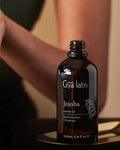
Jojoba oil is lighter and absorbs faster, so it suits everyday use when you don't want a heavy feel. It's a good daytime option or a base for a lighter blend, browse the carrier oils collection for more.
How to Use Them: Routines & DIY Blends
1. Overnight foot oil (the most effective). Blend 1 tablespoon coconut or castor oil with 2 drops lavender and 1 drop frankincense. Massage into clean feet before bed, then wear cotton socks overnight so the oil stays on your skin and not your sheets. This is the single most useful routine for cracked heels. (For a deeper dive on the overnight castor method, see castor oil on feet.)
2. Foot soak. Add 1 tablespoon carrier oil, 2 drops eucalyptus, and 2 drops peppermint to a basin of warm water. Soak for 15–20 minutes to soften the skin, then gently use a pumice stone before moisturizing.
3. Foot massage blend. Mix 1 tablespoon jojoba or castor oil with 2 drops rosemary and 1 drop peppermint, and massage into heels and soles. Nice for tired feet at the end of the day.
4. Gentle foot scrub. Combine coconut oil, sugar or oatmeal, and 2 drops lemon oil. Use once or twice a week to buff away dry, built-up skin, always gently, never on open cracks.
A Simple Daily Foot-Care Routine
• Morning: a light moisturizer, with a drop of peppermint or eucalyptus if you like a fresh feel.
• Evening: a richer blend, lavender with coconut or castor oil, massaged in before bed.
• Weekly: a warm soak plus gentle exfoliation to keep rough skin in check.
Consistency is what makes the difference. A rich oil used every night will do far more than an occasional expensive treatment.
Safety & When to See a Doctor
• Always dilute. Never put undiluted essential oil on skin; use about 1–2% (a few drops per tablespoon of carrier oil).
• Patch test a small amount on your inner arm and wait 24 hours.
• Never apply to open, bleeding, or infected cracks. Broken skin needs proper care, not essential oils.
• Skip lemon and other citrus oils before sun exposure on the feet, as they can increase sun sensitivity.
• Use in moderation. More oil isn't better; a thin, consistent layer works best.
See a doctor or podiatrist if your heels are deeply cracked, bleeding, painful, or show signs of infection, or if the cracks don't improve with regular care. This matters especially if you have diabetes, nerve problems, or poor circulation, foot cracks can become serious in those cases and should be managed medically, not just at home. Our dilution and safety guide covers safe use in more detail.
GyaLabs Oils to Explore
If you want to build a foot-care routine, start with the moisturizer that does the work: a rich castor oil for overnight use on rough heels, or a lighter jojoba for daytime. Then add a few drops of an essential oil for scent and feel, lavender for a calming evening routine, peppermint or eucalyptus for a cooling lift after long days on your feet. You can rotate these depending on your mood and routine, and browse the Skin & Beauty Rituals collection for more options.
Final Takeaway
Cracked heels respond to moisture and consistency more than to any single "miracle" oil. Build your routine around a rich carrier oil like coconut or castor, seal it in overnight with socks, exfoliate gently once or twice a week, and add a few drops of a nice-smelling essential oil like lavender or peppermint to make it feel like a treat. Keep the safety basics in mind, dilute, patch test, and skip open cracks, and see a professional for anything deep, painful, or slow to heal, particularly if you have diabetes. If you'd like a rich base to start with, our castor oil is a good overnight option for rough heels.