


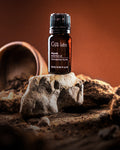
Antifungal essential oils such as tea tree, oregano, lavender, and eucalyptus are commonly used in aromatherapy routines for maintaining clean and balanced skin. The antifungal oils require daily applications which must be done through their diluted form or their use in diffusers for hygienic purposes. Antifungal aromatherapy oils function as daily skin care products which people use although they do not serve as medical treatments.
What Are Antifungal Essential Oils?
Antifungal essential oils are plant-derived oils that people use to maintain cleanliness through their skin care routines and their efforts to create a hygienic environment. Many people exploring essential oils for fungal infections or essential oils for fungus on skin use these oils as part of broader hygiene and self-care habits.
These oils are highly concentrated and are typically diluted before use, especially when applied topically.
Top 10 Antifungal Essential Oils
When discussing what essential oils are antifungal, several oils are commonly referenced in aromatherapy. Tea tree oil (Melaleuca alternifolia) is one of the most widely used oils in routines related to skin care and cleanliness, while oregano oil (Origanum vulgare) is often noted for its strong and potent aroma. Lavender oil (Lavandula angustifolia) is commonly included in blends for its calming and balancing properties, and eucalyptus oil (Eucalyptus globulus) is frequently used to create a fresh and clean environment.
Other oils such as thyme oil, clove oil, lemongrass oil, peppermint oil, cinnamon oil, and rosemary oil are also often included in antifungal essential oils for skin routines. These oils are usually combined in small amounts to create balanced blends that are easier to use.
Best Antifungal Essential Oils at a Glance
|
Essential Oil |
Scientific Name |
Strength Level |
Best Use Case |
Skin Suitability |
Aroma Type |
|
Tea Tree |
Melaleuca alternifolia |
Medium |
Daily skin care routines |
Most skin types |
Fresh, medicinal |
|
Oregano |
Origanum vulgare |
Very Strong |
Targeted blends (diluted) |
Sensitive skin caution |
Warm, herbal |
|
Lavender |
Lavandula angustifolia |
Mild |
Daily calming routines |
Gentle |
Floral |
|
Eucalyptus |
Eucalyptus globulus |
Medium |
Clean environment |
Moderate |
Herbal |
|
Thyme |
Thymus vulgaris |
Strong |
Blended use |
Dilution required |
Spicy |
|
Clove |
Syzygium aromaticum |
Strong |
Limited use blends |
Sensitive caution |
Warm, spicy |
|
Lemongrass |
Cymbopogon citratus |
Medium |
Fresh routines |
Moderate |
Citrus-herbal |
|
Peppermint |
Mentha piperita |
Medium |
Cooling blends |
Moderate |
Minty |
|
Cinnamon |
Cinnamomum verum |
Strong |
Warm blends |
High dilution needed |
Sweet-spicy |
|
Rosemary |
Rosmarinus officinalis |
Mild-Medium |
Daily blends |
Gentle |
Herbal |
How to Use Antifungal Essential Oils
If you are exploring how to use essential oils for fungus, these are common methods:
1. Diluted Topical Application
- mix 1–2 drops with a carrier oil
- apply to a small area
Common for essential oils for skin fungus routines.
2. Diffuser Method
- add 3–5 drops to diffuser
- use in well-ventilated space
Helps maintain a clean environment using antifungal aromatherapy oils.
3. Foot or Skin Soak
- users should add diluted oils to warm water
- soak the mixture through a brief period of time
The product functions as a common component of personal hygiene procedures which people use to maintain cleanliness.
4. Cleaning Routine
- mix oils with water or cleaning base
- use on surfaces
Supports overall cleanliness.
Best Essential Oils for Fungal Infections
When people search for the most powerful antifungal essential oil, tea tree oil is often the most commonly referenced, followed by oregano oil due to its strong composition. However, because of their potency, these oils are usually diluted and used carefully. Lavender and lemongrass are the primary components in gentle routines that utilize essential oils for fungus on skin blends.
Safety and Precautions
It is crucial to adhere to safety guidelines when applying antifungal essential oils:
- always dilute the product prior to applying it to your skin
- conduct a patch test to check for allergic reactions
- avoid overuse
- keep away from sensitive areas
- ensure proper ventilation
Understanding essential oils skin fungus routines helps avoid irritation.
Gya Labs Oils You Can Explore
Start with Tea Tree Essential Oil if your focus is on building a routine around cleanliness and targeted skin care support using antifungal essential oils.
If you prefer a gentler and more balanced approach, Lavender Essential Oil can be included in your routine to support calmness while complementing other oils.
For creating a fresh and clean environment, especially in diffusers, Eucalyptus Essential Oil works well as part of antifungal aromatherapy oils blends.
If you are looking to create stronger blends in small, controlled amounts, Oregano Essential Oil can be used carefully as part of a diluted routine.
You can rotate these oils depending on your needs and preferences. You can also explore these options within Gya Labs’ essential oils collection to build a consistent and balanced routine.
Helpful Insight for Targeted Care
For more focused applications, especially for areas like feet, you can also explore the best essential oils to treat athlete’s foot, which explains how these oils are used in specific hygiene routines.
Are Essential Oils Effective for Fungal Concerns?
Essential oils serve multiple purposes:
- help maintain a clean environment
- help people achieve their skin balance goals
- help people enhance their existing hygiene practices
The best application of the product requires users to implement it within their complete care regimen.
Tips for Using Antifungal Oils Safely
- use small quantities
- avoid mixing too many oils
- keep blends simple
- the storage of oils requires proper methods for their safe handling
- follow consistent routine
Final Takeaway
Start your hygiene routine with tea tree essential oil because it provides you with a strong focused addition. Eucalyptus essential oil creates a fresh clean atmosphere which you can use throughout your daytime activities. The evening requires you to use lavender essential oil which helps you maintain your daily routine while creating a calming effect.