


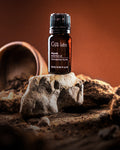
Starting with essential oils doesn't have to be expensive. You can build a versatile essential oil kit for under $50 with five beginner-friendly oils: lavender, peppermint, lemon, tea tree, and eucalyptus. Together, they provide a practical foundation for diffusing, simple DIY projects, and everyday aromatherapy at home.
Starting with essential oils doesn't have to be overwhelming either.
When I bought my first essential oils, I made the mistake most beginners make.
I bought everything.
A citrus blend because it smelled nice.
A floral oil because someone online recommended it.
An exotic oil I'd never even heard of because it sounded impressive.
A month later, half the bottles were sitting untouched on a shelf.
Looking back, I wish someone had told me to start smaller.
You don't need twenty oils to enjoy aromatherapy. In fact, I've found that five carefully chosen oils cover almost everything a beginner wants to try. They are very adaptable, easily blended and incorporated into everyday use, whether it be to refresh a room or to make a lovely evening ritual.
If you're bargain hunting or simply trying aromatherapy without spending a fortune, this guide will help you build a beginner essential oil set that offers excellent value without sacrificing quality.
Why Five Oils Are Enough to Start
One question I hear all the time is, "How many essential oils should I buy first?"
Honestly?
Five.
That's usually enough.
Don’t worry when starting out on your aromatherapy journey – the goal is not to possess the largest collection. The aim here is to become familiar with working with essential oils and discovering which scents work with your spirit, whilst ensuring you work with them in an effective, and safe, way.
Every new oil teaches you something.
How it smells.
How it blends.
When you enjoy using it.
Buying too many bottles at once often has the opposite effect. Instead of experimenting, you end up overwhelmed by choices.
I’ve also seen people grab one of those enormous “do it all” essential oil kit boxes with twenty to thirty different kinds, just cause it “seem(ed)” like a good value. Six months later, they were still reaching for those four same bottles, while the others remained untouched on the shelf.
A smaller collection encourages you to actually use what you own.
That's why I recommend starting with versatile oils that work across multiple situations instead of niche aromas you'll only use once in a while.
The Under-$50 Starter Line-Up
If I were starting a beginner kit today, these 5 oils would be the first ones I purchased.
Not because I love the idea of "trendsetters",.
But because they would inevitably be kept and repurchased in my personal collection time and time again.
Lavender
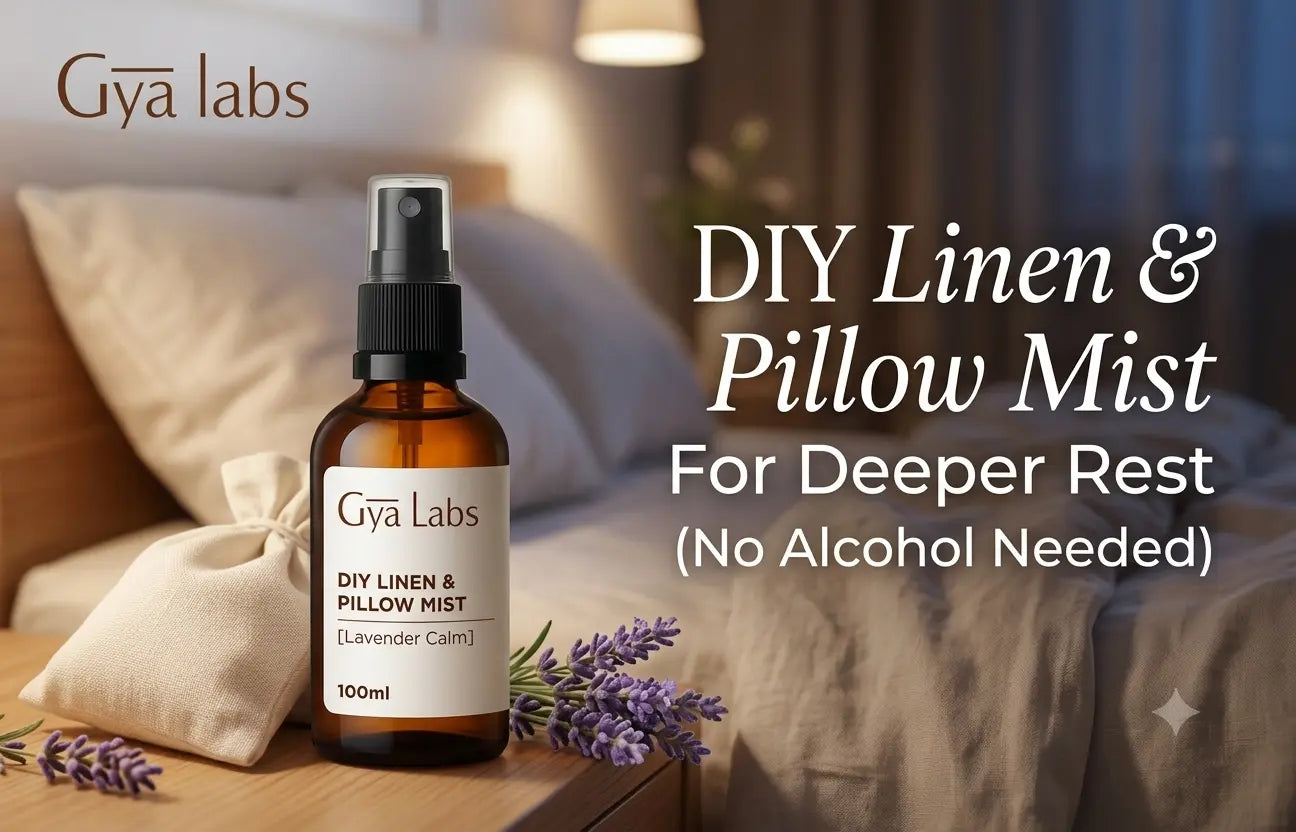
If "all-rounder" could be a category on the aromatherapy awards then lavender would be the champion every year. There is not one method in which the gentle floral scent doesn't work just perfectly, be it an evening diffuser blend, a linen spray or a DIY roller blend.
I still reach for lavender more often than almost any other oil I own because it pairs effortlessly with citrus, mint, woody oils, and herbs.
For beginners, it's one of the easiest oils to experiment with because it's so versatile.
Peppermint
Peppermint has a bright, crisp aroma that instantly makes a room feel fresher.
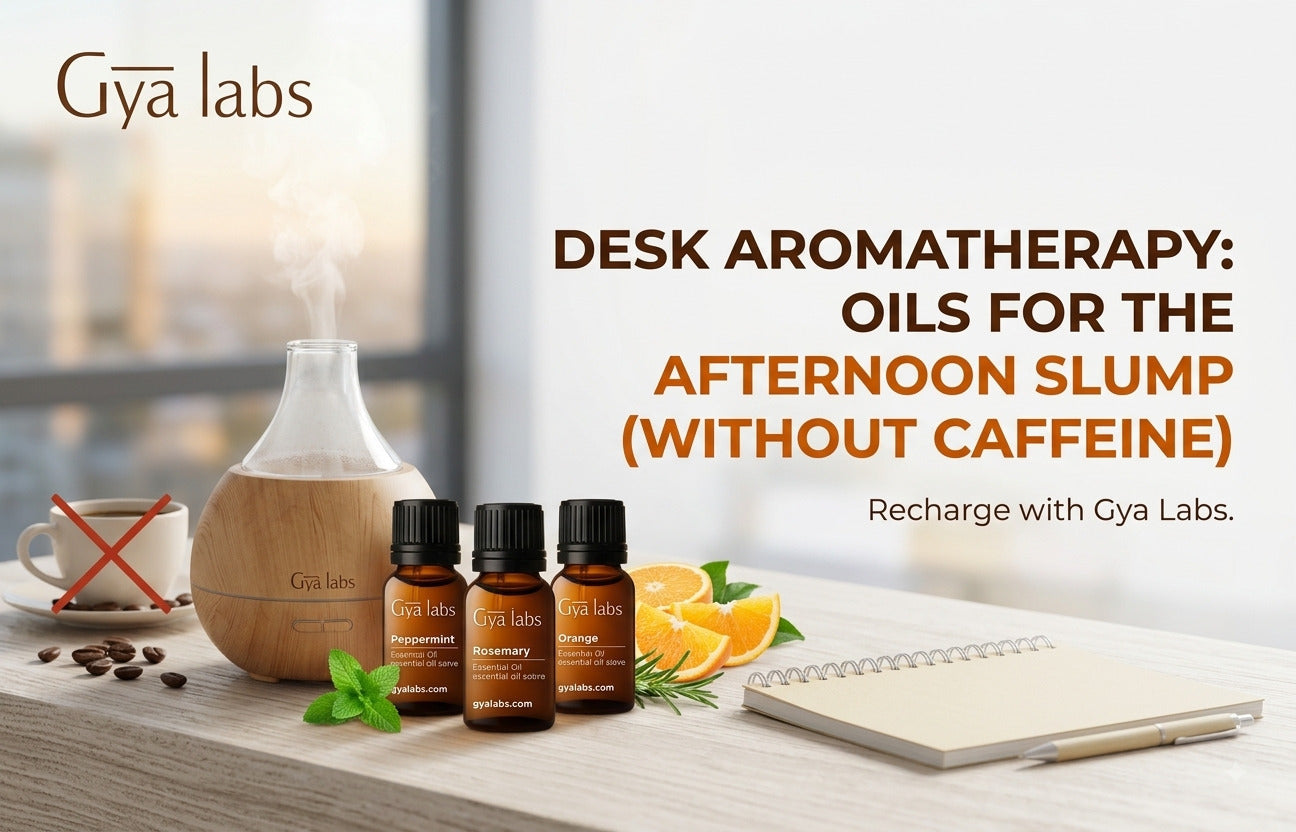
It's one of the first oils I use during warm weather or whenever I want my workspace to feel a little more energizing.
A few drops in a diffuser can completely change the atmosphere of a room.
One thing I learned early on, though, is that peppermint goes a long way.
The first time I diffused it, I added six drops.
Let's just say two or three would have been plenty.
Now I always remind beginners that stronger isn't necessarily better.
Lemon
I have always been fascinated with citrus oils.
They're uplifting, cheerful, clean-smelling, without being in your face.
I use it more for home care than almost any other oil.
Whether I'm making a simple room spray or adding a few drops to a DIY surface cleaner, lemon is usually involved.
It also blends beautifully with lavender and peppermint, making it one of the easiest oils for beginners to experiment with.
Tea Tree
Tea tree has a fresh, herbal aroma that's very different from citrus or floral oils.
It isn't the first bottle people smell and immediately fall in love with.
I'll admit that wasn't my reaction either.
But once I started making DIY cleaning sprays and freshening blends, I understood why it appears in so many recipes.
It's practical.
And that's exactly what a good starter kit needs.
Eucalyptus
Eucalyptus has one of the freshest aromas in aromatherapy.
Whenever I want my home to feel cleaner or more open, eucalyptus is usually the first bottle I pick up.
It pairs especially well with peppermint, creating diffuser blends that feel crisp without becoming overwhelming.
It's also one of those oils that instantly makes guests ask,
"What smells so fresh in here?"
That's usually a good sign.
What Each Oil Is Good For
One reason I recommend these five oils is that they complement each other instead of competing with each other.
Here's how I use them most often.
| Essential Oil | I Reach for It When I Want To | Works Well In |
|---|---|---|
| Lavender | Create a relaxing atmosphere | Diffusers, linen sprays, rollers |
| Peppermint | Freshen a room or workspace | Diffusers, DIY sprays |
| Lemon | Add a clean citrus aroma | Home cleaning, room sprays |
| Tea Tree | Create fresh DIY home blends | Surface sprays, deodorizing blends |
| Eucalyptus | Build crisp, refreshing diffuser blends | Diffusers, room sprays |
None of these oils are limited to a single purpose, and that's exactly why they belong in a starter kit.
As your collection grows, you'll naturally branch out into floral, spicy, resinous, or exotic oils.
But these five give you an excellent foundation.
Budget vs. Premium: What Actually Differs?
One of the biggest myths I hear is that inexpensive oils are automatically poor quality.
That's not always true.
I've used affordable oils that performed beautifully and premium oils that didn't impress me nearly as much as their price tag suggested.
The key isn't simply paying more.
It's knowing what you're paying for.
For other oils, the higher prices may indicate limited crop production, a very slow extraction process, or plants with minimal essential oil yields. Certain oils like rose or jasmine command high prices because of the amount of plant matter necessary to extract even just a small amount of oil.
For beginner oils like lavender, lemon, peppermint, tea tree, and eucalyptus, you don't necessarily need the most expensive option on the shelf.
Instead, focus on buying from brands that are transparent about their sourcing and quality testing.
A reasonably priced bottle from a reputable company is often a smarter purchase than an unusually cheap oil with little information about where it came from or how it was produced.
Think of it this way.
You're building confidence first.
You can always expand your collection later as your interests grow.
Simple Ways to Use Your Starter Kit
One of the biggest misconceptions about essential oils is that you need dozens of recipes and specialty equipment before you can enjoy them.
You really don't.
When I first started, I kept looking for complicated diffuser schedules and elaborate DIY projects. After a while, I realized the blends I used most were also the simplest.
If you've built your essential oil starter kit, here are a few easy ways to put it to work.
Refresh Your Living Space
A diffuser is one of the easiest places to begin. It lets you experience different aromas without making anything permanent.
Some of my favorite beginner-friendly blends include:
Fresh Morning Blend
-
3 drops Lemon
-
2 drops Peppermint
Bright, crisp, and perfect for getting the day started.
Calm Evening Blend
-
3 drops Lavender
-
2 drops Eucalyptus
These together produce a freshness and a relaxed feel that I've developed as part of my evening.
Weekend Reset
-
2 drops Lemon
-
2 drops Lavender
-
1 drop Peppermint
Whenever I get a cleaning binge this is usually the blend I’ll run. Somehow I love how it makes my entire place smell super clean for hours.
Make a Simple Roll-On Blend
Roll-ons are another beginner-friendly project because they don't require much equipment.
Fill a 10 ml roller bottle with your preferred carrier oil, then add 3–5 drops of your chosen essential oil blend.
For example:
-
Lavender + Lemon for a bright floral-citrus aroma
-
Peppermint + Eucalyptus for a crisp, refreshing blend
Remember that essential oils should always be diluted before applying them to the skin, and it's a good idea to patch test any new blend first.
Freshen Up Your Home
You don't need expensive cleaning products to make your home smell inviting.
One of my favorite budget-friendly DIY recipes is a simple room spray.
You'll Need
-
½ cup distilled water
-
1 tablespoon witch hazel
-
4 drops Lemon
-
3 drops Tea Tree
-
Spray bottle
Shake before each use and lightly mist around the room.
I especially like this blend in the kitchen and entryway because it smells clean without being overpowering.
Supplies You'll Want Besides Oils
Once you've picked your five oils, resist the urge to buy every aromatherapy accessory you see online.
You only need a handful of basics.
I'd recommend starting with:
-
A small ultrasonic diffuser
-
A 10 ml roller bottle
-
A 2 oz amber glass spray bottle
-
Jojoba or sweet almond carrier oil
-
Small glass mixing bowl
-
Measuring pipettes or droppers
-
Labels for DIY blends
That's enough to make room sprays, roller blends, diffuser recipes, and simple personal care products.
Everything else can come later.
How to Check Quality Without Spending a Fortune
One question I hear quite often is whether cheap essential oils are worth buying.
Sometimes they are.
Sometimes they aren't.
Price alone doesn't tell you much.
Instead, here's what I check before buying any oil.
Look for Clear Botanical Information
A trustworthy label should tell you exactly what's inside the bottle.
Look for:
-
Botanical name
-
Plant part used
-
Country of origin
-
Extraction method
The more transparent a company is, the better.
Read the Product Description
I always spend a few extra minutes reading product pages.
If you get any information as to where it's from, how it's produced, and safe application, it generally tends to be a good sign.
Check for Quality Testing
Many reputable brands provide information about purity testing or GC/MS testing.
If you're unfamiliar with what that means, our guide on GC/MS Testing for Essential Oils explains why these reports matter and how they help verify an oil's quality.
(Insert internal link to the GC/MS blog here.)
Buy from Brands That Specialize in Aromatherapy
I'd rather buy five oils from a company that focuses on aromatherapy than twenty bottles from an unknown marketplace seller.
Quality and consistency matter far more than simply collecting bottles.
Should You Buy a Starter Kit or Individual Oils?
That depends on what you hope to do.A starter kit could be a fantastic deal if it contains essential oils that you will actually incorporate into your daily life. On the other hand, I’ve come across lots of kits with specialty oils which have all sorts of exotic-sounding claims but rarely get touched.
Personally, I prefer building my own collection.
Choosing each bottle individually means every purchase has a purpose.
If you're creating your own beginner essential oil set, the five oils in this guide give you an excellent foundation without stretching your budget.
Final Thoughts
Building your first essential oil kit doesn't have to be expensive or overwhelming.
In reality it’s actually even better to begin with less oil; you’ll have room to learn exactly what works with which.
If there's one piece of advice I'd leave you with, it's this: buy with purpose, not impulse.
Five versatile oils, a few basic supplies, and a little curiosity are more than enough to begin exploring aromatherapy.
As your confidence grows, your collection will grow naturally too. Until then, keep it simple, experiment with different blends, and enjoy discovering the aromas that fit your everyday routine best.