


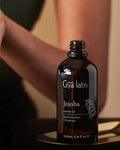

If you're looking for a DIY pillow spray that skips alcohol, the easiest solution is to use a hydrosol base with properly diluted essential oils. This creates a light fabric mist that refreshes pillows and sheets with a calming aroma, making it a simple addition to your bedtime routine.
I used to buy linen sprays without thinking much about the ingredient list. Then I started noticing something interesting. Many of them contained more alcohol than anything else.
Sure, alcohol helps disperse fragrance and extends shelf life, but it can also make a spray smell sharper than I'd like. On delicate fabrics, it isn't always my first choice either.
Then, I started playing around with some hydrosol based recipes! After a good dozen batches, some messy counters, and a sprayer that would leak all over - I have found a recipe that has really become part of my night routine. It's easy, non-alcohol-y, doesn't use witch hazel and the smell isn't harsh at all!
If you're curious about making your own DIY linen spray, this is a great place to start.
Why Skip the Alcohol?
Most commercial linen sprays contain alcohol because it helps dissolve essential oils and evaporates quickly after spraying. From a manufacturing perspective, it makes sense.
For a homemade pillow mist, though, it's not the only option.
I personally prefer a hydrosol base because it creates a softer, more natural aroma. Instead of getting that sharp burst of fragrance when you spray the pillow, the scent feels lighter and more balanced.
Another advantage is flexibility. Hydrosols already carry a gentle botanical aroma, so they blend beautifully with essential oils without overpowering them.
If you've ever sprayed a room mist that smelled more like perfume than fresh linens, you'll probably appreciate the difference.
That said, skipping alcohol does change the way your spray behaves.
Essential oils don't naturally mix with water-based ingredients. You'll either need a suitable natural solubilizer or simply shake the bottle well before each use. Both methods work perfectly for small DIY batches.
For me, the shake-before-use method wins every time. It's quick, inexpensive, and means I don't need another specialty ingredient taking up space in the cupboard.
What You'll Need
One of the reasons I keep coming back to this recipe is that the ingredient list is refreshingly short.
It wasn’t hard to get a hold of the things I needed; there was no requirement for a chemistry set, lab skills or sophisticated equipment. All you needed was your basic quality ingredients. And to put it all together in one small bottle.
Ingredients
-
50 ml Lavender Hydrosol
-
40 ml Distilled Water
-
10 ml Vegetable Glycerin (optional, for a softer fabric feel)
-
10 to 12 drops Lavender Essential Oil
-
4 drops Vetiver Essential Oil
-
Natural solubilizer (optional)
-
100 ml amber or frosted glass spray bottle
Why These Ingredients?
Lavender Hydrosol
Rather than using plain water alone, I like starting with lavender hydrosol because it already has a delicate floral aroma. It creates a softer scent profile and complements lavender essential oil beautifully.
Lavender Essential Oil
It's no surprise that lavender pillow spray DIY recipes remain popular. Lavender has historically been one of the oldest natural oils connected with relaxation in the evening. That’s precisely why it is one of the simplest oils in your repertoire in order to put into a mist on linens before slumber.
Vetiver Essential Oil
Vetiver might not take focus, nonetheless, it has the blend depth; their own heat’s aroma of earthliness can easily complement lavender's floral aroma making a finish mister with added elegance.
Vegetable Glycerin
This ingredient isn't essential, but I like adding a small amount because it gives fabrics a slightly softer feel after the mist dries.
The Recipe
Once you've gathered everything, the spray comes together in just a few minutes.
Step 1
Pour the lavender hydrosol into a clean 100 ml spray bottle.
Step 2
Add the distilled water.
Step 3
If you're using vegetable glycerin, pour it in next.
Step 4
Add:
-
10 to 12 drops Lavender Essential Oil
-
4 drops Vetiver Essential Oil
This ratio keeps the aroma balanced without becoming overwhelming.
Step 5
If you're using a natural solubilizer, add it according to the manufacturer's instructions before sealing the bottle.
Otherwise, simply close the bottle tightly.
Shake well.
Your linen mist is ready to use.
Lavender and Vetiver for a Restful Evening
I've experimented with plenty of combinations over the years.
Lavender with chamomile.
Lavender with cedarwood.
Even lavender with bergamot.
Some worked beautifully.
Some...not so much.
The pairing I keep returning to is lavender and vetiver.
Lavender brings a clean, familiar floral aroma, while vetiver adds warmth and depth. Together they create a scent that feels calm without becoming overly sweet.
That's probably why this blend has stayed on my bedside table longer than any other recipe I've made.
If you're making your first pillow spray for sleep, I'd recommend starting here before experimenting with additional oils.
Solubilizer or Simply Shake?
This is probably the question I get asked most often after how to make linen spray.
Do you really need a solubilizer?
Not necessarily.
If you're making a small batch for personal use, shaking the bottle before each spray works perfectly well.
I use that method most of the time because it's simple, quick, and doesn't require buying another ingredient.
A natural solubilizer does create a more uniform mixture, especially if you're planning to give the spray as a gift or make larger batches.
Either approach works.
Just don't forget to shake the bottle if you skip the solubilizer. Essential oils naturally rise to the surface over time, and a quick shake helps distribute them evenly before each use.
How to Use Your Linen and Pillow Mist
One of the biggest mistakes I made when I first started making linen sprays was using far too much.
More spray doesn't mean a better night's sleep. It usually just means damp pillowcases.
Now I keep it simple.
About ten minutes before getting into bed, I lightly mist my pillow and the top edge of my duvet from around 12 to 18 inches away. That gives the fabric enough time to dry while allowing the aroma to settle naturally.
If you've made a larger batch, don't stop at your bedding. This mist works beautifully on:
-
Bed sheets
-
Pillowcases
-
Throws and blankets
-
Fabric headboards
-
Reading chairs
-
Bedroom curtains
Some days I'll even give a spritz to the blanket I'm curled up with on the couch while reading. It's become one of those small things I do at night that just quietly tells my mind the day is slowing down.
If you're exploring how to make room spray with essential oils, this same blend works well as a light room mist too. Just avoid spraying directly onto polished wood, electronics, or delicate silk fabrics.
Storage and Shelf Life
Because this recipe doesn't contain alcohol, it deserves a little extra care.
That isn't a drawback. It simply means treating it like any fresh DIY product.
I recommend storing the bottle:
-
Away from direct sunlight
-
In a cool, dry cupboard
-
With the spray nozzle tightly closed
-
Out of reach of children and pets
When made with clean equipment and fresh ingredients, the mist is generally best used within 4 to 6 weeks.
If you notice any unusual odor, cloudiness beyond the natural separation of oils, or visible changes in the liquid, it's best to make a fresh batch.
Honestly, mine rarely lasts that long. I end up using it almost every evening.
Fabric Safety and Will It Stain My Sheets?
Which is likely my second most common question (after, “Will it actually smell nice?”).
Thankfully, most linen and cotton blends can handle a diluted linen mist rather beautifully.
Still, I suggest always testing a DIY spray on an inconspicuous corner of your material just to be sure, particularly if your linen involves:
-
Silk
-
Satin
-
Velvet
-
Antique fabrics
-
Delicate upholstery
Sometimes, natural essential oils will leave a visible mark if sprayed too liberally or at too high a concentration. This is why I also like to keep this recipe with only a light aroma - it just smells fresher, it dries much faster, and there is no residue.
If you're making a DIY linen spray with essential oils recipe for everyday bedding, a light mist is usually all you need.
Ways to Customize the Blend
If you end up using this recipe enough times, you may want to start switching things up. It is part of the charm, really.
I still revisit lavender and vetiver more often than I use the other oils, but I'll be damned if there aren't times when I reach for a different combination just based on the time of year or the way my brain feels.
Here are a few combinations I enjoy.
Fresh and Airy
-
Lavender
-
Bergamot (FCF)
-
Cedarwood
This combination feels crisp and clean without becoming overly floral.
Warm and Cozy
-
Lavender
-
Vetiver
-
Sandalwood
Good for a cold night where you need something to warm you up .
Light Botanical Blend
-
Lavender
-
Roman Chamomile
-
Cedarwood
It is the kindest and most neutral scent and one of my go tos when decorating guest bedroom rooms! If ever you decide to experiment like I do then for your first attempt, just do a small batch only.
I've learned that lesson the hard way.
I learned that the painful way, producing 250ml of a mixture that I can’t stand, is… awful!
Common Mistakes to Avoid
Making your own linen mist is straightforward, but a few small mistakes can affect the final result.
Using Too Much Essential Oil
Excess isn't a good thing. An extremely fragrant spray might just prove to be rather jarring rather than soothed. Always follow the product guidelines for how many sprays to apply-once you get a feel for things, you may apply an additional burst if desired.
Forgetting to Shake the Bottle
Without a solubilizer, essential oils will naturally separate from water and the hydrosol. Give it a quick shake before each use.
Spraying Too Close to Fabric
If you spray the bottle close, only a couple inches from your pillow, you are left with dark, wet spots. Spray the pillow about a foot away to get a finer mist.
Making Large Batches
It’s nice to make them from scratch - fresh ones smell good and they are less likely to spoil in a short period.
I sometimes make enough at once to get me through the month.
It's quicker than you might think.
Final Thoughts
But part of why I love to make my own linen sprays, is that I know everything there.
No overpowering scent.
No unnecessary alcohol.
Just a few pure and select ingredients that create simple evening bliss.
Whether you're making your first DIY pillow spray, experimenting with a DIY linen spray, or simply looking for an essential oil room spray recipe that's gentle on fabrics, start with the basics. It's the combination, I guess: small batch, good ingredients, balance that works better than over-complicated recipes. I've experimented in so many ways, but I always end up coming back to lavender and vetiver. They are both so accessible, and that combination seems to be the clean, cozy, get-you-straight-to-bed scent.