



Body oil, body lotion, and body butter can all be part of a body care routine, but they do not feel or behave the same way. Body lotion is usually the easiest choice for everyday application over large areas. Body oil gives a glossy finish and works well as a post shower step. Body butter has a thicker, richer texture. The right choice depends on the finish you prefer, how quickly you want to get dressed, and how much richness fits your routine.
If you are comparing body oil vs lotion vs body butter, think beyond which one is “best.” Instead, consider texture, spreadability, finish, application time, and where each format fits into your day.
Lotion is mostly water with oils mixed in, so it spreads fast and feels light. Body oil contains no water; it softens skin and slows moisture loss, and works best on damp skin. Body butter is made mainly from solid plant butters, so it feels thick and suits dry elbows, knees, and feet. Many people use lotion first, then a little oil.
Body Oil vs Lotion vs Body Butter at a Glance
|
Product |
Texture |
Finish |
Spreadability |
Routine Fit |
Best For |
|
Body oil |
Fluid, oil based |
Dewy or glossy |
High |
Post shower or evening |
Those who enjoy a glossy finish |
|
Body lotion |
Light to creamy |
Soft to lightweight |
Very high |
Everyday use over large areas |
Quick daily routines |
|
Body butter |
Thick and rich |
Rich and cushioned |
Moderate |
Evening or targeted use |
Those who prefer richer textures |
These are general texture differences. Formulas can vary considerably between products, so the ingredient list and product directions are always worth checking.
Why They Feel So Different: Water, Oil, and Butter
The texture of each product comes down to one thing: how much water it contains.
|
|
Body lotion |
Body oil |
Body butter |
|
Main base |
Water, with oils mixed in |
Plant oils, no water |
Solid plant butters such as shea or cocoa, plus oils |
|
What it does on skin |
Adds water, then softens |
Softens and slows moisture loss |
Softens and forms a richer layer that slows moisture loss |
|
Why it feels that way |
Water evaporates, leaving a light feel |
No water, so it stays glossy longer |
Solid at room temperature, melts with body warmth |
This is why lotion feels light and dries quickly, why oil stays on the surface a little longer, and why butter feels cushioned. It is also why oil works best on skin that is still slightly damp: it does not add water of its own, so it helps hold in the water already there.
The American Academy of Dermatology lists both jojoba oil and shea butter among ingredients to look for in a moisturizer for dry skin.
What Is the Difference Between Body Oil, Lotion and Body Butter?
The simplest way to distinguish them is by their texture and formula.
What Is Body Oil?
Body oil is an oil based body care format. Depending on the formula, it can feel lightweight and fluid or richer and more substantial.
It spreads easily and can leave a dewy finish. This makes it a popular choice for post shower routines, especially when applied to slightly damp skin.
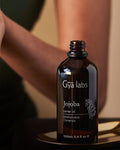
A single carrier oil such as jojoba can work as a simple body oil on its own. Jojoba is technically a liquid wax rather than a true oil, which is part of why it feels lighter than many plant oils. You can browse the Gya Labs Carrier Oils collection to compare textures.
What Is Body Lotion?
Body lotion generally has a lighter, more fluid texture than body butter. Lotions commonly combine water, oils or emollients, and other ingredients that help create a spreadable formula.
Because lotion tends to spread easily over larger areas, it can be a convenient choice when you want a simple everyday body care step.
What Is Body Butter?
Body butter is usually thicker and richer than lotion. Its dense texture makes it feel more substantial during application and can make it particularly appealing when you prefer a richer body care ritual.
Body butter can work well as a targeted step on areas such as elbows, knees, hands, or feet, or as part of an evening routine when you have more time to let a richer product settle.
Body Oil vs Lotion: Which Texture Fits Your Routine?
When comparing body oil vs lotion, texture may be the deciding factor.
Body Oil Texture and Finish
Body oil is fluid and usually provides plenty of slip during application. Depending on the formula and amount used, it can leave a noticeable dewy finish.
Body oil can be a good fit if you:
• Prefer an oil based texture
• Like a dewy finish
• Want a simple post shower step
• Prefer to target certain areas rather than apply a heavy product everywhere
• Enjoy taking a little more time with your body care routine
Body Lotion Texture and Finish
Lotion is generally easier to spread over larger areas and may feel less oily after application.
It can be a practical choice if you:
• Want an everyday moisturizer
• Need to cover your arms and legs quickly
• Prefer a softer, less oily finish
• Want to get dressed soon after applying your body care
• Prefer a simple single product routine
So, is body oil better than lotion? Not necessarily. They simply offer different experiences. Body oil may be more appealing if you like a glossy finish, while lotion may suit you better if you prefer quick application over your whole body.
Body Butter vs Lotion: What’s the Difference?
The biggest difference between body butter vs lotion is usually texture. Body butter tends to be thicker, richer, and more substantial. Lotion generally spreads more easily and feels lighter.
When Lotion May Be More Practical
Lotion can make sense when:
• You are getting ready quickly in the morning
• You want easy application over your whole body
• You dislike a heavy finish
• You are applying moisturizer over your arms, legs, and torso
• You prefer a light to creamy texture
When Body Butter May Be a Better Fit
Body butter may suit you when:
• You enjoy richer textures
• You want a slower evening routine
• Some areas feel especially dry or rough
• You prefer focusing on elbows, knees, feet, or hands
• You have more time to let the product settle before getting dressed
The richer texture does not automatically make body butter better. It simply makes it a different fit for certain routines and preferences.
Body Butter vs Body Oil: Which One Should You Choose?
When comparing body butter vs body oil, think about how you want the product to feel during and after application.
Body butter is thick, creamy, and rich. You generally need to massage it into the skin more deliberately than a fluid oil or lightweight lotion. It can be a good match for someone who enjoys a substantial body care ritual and prefers a rich finish.
Body oil has a more fluid consistency and usually provides more slip. A small amount can spread across a surprisingly large area, depending on the formula. It can be a good option when you want a smoother application, a dewy finish, a post shower step, or a targeted layer over selected areas.
If you dislike the feeling of a rich cream, body oil may feel more enjoyable. If you prefer a thick, cushiony texture, body butter may be more satisfying.
If you are weighing body oil against oils made for massage, our guide to massage oil vs body oil explains how the two are formulated for different jobs.
Body Oil or Lotion for Dry Skin?
When deciding between body oil or lotion for dry skin, start by thinking about how your skin feels and which texture you can comfortably use every day.
The American Academy of Dermatology recommends applying moisturizer while skin is still damp after a shower or bath, and notes that ointments and creams are more effective than lotions for dry skin. For very dry skin, that points toward richer textures, or toward layering a little oil over lotion.
Choose Body Lotion If You Want
• Easy application over your whole body
• A lighter texture
• A simple daily routine
• A less oily finish
• Something convenient before getting dressed
Choose Body Oil If You Want
• A dewy finish
• A post shower step
• More slip during application
• A targeted layer over selected areas
• The option to layer over lotion
Choose Body Butter If You Want
• A thicker texture
• A richer routine
• More focused application on areas such as elbows, knees, hands, or feet
• An evening body care ritual
There is no need to force one product to work for every part of your body. You can use a lighter format over larger areas and a richer format where you prefer it.
Can You Use Body Oil and Lotion Together?
Yes, you can use body oil and lotion together.
A common approach is to apply lotion first and body oil second. The lotion provides the water containing layer, while the oil can act as a finishing layer that helps reduce moisture loss.
How to Layer Body Oil and Lotion
Try this simple post shower sequence:
1. Shower and gently pat your skin with a towel.
2. Leave your skin slightly damp rather than completely dry.
3. Apply body lotion over the areas you want to moisturize.
4. Give it a moment to spread and settle.
5. Apply a small amount of body oil over selected areas.
6. Allow the products to settle before getting dressed.
Start with a small amount of oil, around a few drops per arm or leg. You can always add more if you want a richer finish. Apply oil after you have stepped out onto a bath mat, since oil on a shower floor makes it slippery.
You can also use lotion and oil separately at different times of day. For example, lotion may work better for a quick morning routine, while oil can become part of a slower evening routine.
For a full routine, plus a simple carrier oil blend to make at home, see our guide to post shower body oil.
Can You Use Body Butter and Body Oil Together?
You can, but you may not need both everywhere.
Body butter and body oil are both richer formats, so layering them over the entire body may feel too heavy if you prefer a lightweight routine. Instead, use each one where it suits you. For example:
• Body lotion over most of the body
• Body butter on elbows and knees
• Body oil on the shins, or anywhere you like a glossy finish
This mix and match approach allows you to adjust your routine according to texture preference rather than following one system for every part of your body.
How to Choose the Right Body Moisturizer for Your Routine
Instead of asking which product is universally the best, ask yourself five questions.
1. What Texture Do I Enjoy?
Do you prefer something fluid and silky, light and creamy, or thick and rich? Your answer can immediately narrow down the choice.
2. How Quickly Do I Need to Get Dressed?
If you are getting ready for work or heading out quickly, a lotion may feel more convenient. If you are doing your body care at night, you may enjoy spending more time with a richer butter or oil.
3. What Finish Do I Prefer?
• Soft and less noticeable: lotion
• Dewy and glossy: body oil
• Rich and cushioned: body butter
4. Am I Applying It Everywhere?
For larger areas such as arms, legs, and torso, a spreadable lotion may be convenient. For targeted areas, you may prefer a richer butter or oil.
5. Do I Want to Layer Products?
If you enjoy a routine with several steps, lotion followed by body oil can be an option. If you prefer simplicity, stick with one format that gives you the texture and finish you want.
Carrier Oils in a Body Care Routine
A single carrier oil is the simplest body oil there is. Each one has its own texture:
|
Carrier oil |
Texture |
Good for |
|
Jojoba |
Light and smooth; technically a liquid wax |
Quick mornings, layering over lotion |
|
Argan |
Silky, medium weight |
Everyday body care |
|
Baobab |
Richer and cushioning |
Evening routines, elbows and knees |
The best way to choose between carrier oils is to consider the texture, intended use, and finish you personally prefer rather than assuming one oil works exactly like another. Compare them in the Gya Labs Carrier Oils collection.
If you want to add essential oils to a carrier oil for scent, keep it to 1% for body use, about 6 drops in 30 ml (1 oz). Our step by step guide to diluting essential oils has the full chart.
Safety Tips Before You Start
• Patch test anything new. Apply a small amount to your inner forearm and wait 24 hours before using it more widely.
• Check the ingredients if you have nut allergies. Argan, sweet almond, and some body butters come from nuts or seeds.
• Watch your footing. Oil makes shower and tile floors slippery. Apply it after you step out.
• Stop if you notice irritation, and talk to a doctor or dermatologist if dryness, itching, or cracking does not improve.
Common Body Moisturizing Routine Mistakes
Choosing Richer Just Because It Sounds Better
A thicker texture is not automatically the right texture for you. If you dislike the feeling, you may simply stop using it.
Using Too Much Product
More product does not always create a better experience. Start with a small amount and build up if needed.
Layering Too Many Rich Products
Body butter followed by body oil followed by another rich product may be unnecessary for an everyday routine.
Using the Same Routine Every Day
Your preferred texture can change with the weather, time of day, and how much time you have. A simple lotion routine may work well in the morning, while body butter or body oil may feel more appealing at night.
Final Thoughts
When comparing body oil vs lotion vs body butter, there is no universal winner.
Choose body lotion when you need a simple option for your whole body. Choose body oil when you love a glossy finish, a post shower step, or precise application. Choose body butter when you prefer a thicker, richer texture or want to focus on areas such as elbows, knees, hands, or feet.
And if you like more than one texture, you can combine them. Lotion followed by a small amount of body oil can be a practical layering routine, while body butter can be reserved for areas where you prefer a richer feel.
Ultimately, the best body care routine is not necessarily the longest or richest one. It is the one whose texture, finish, and application style fit naturally into your day.