



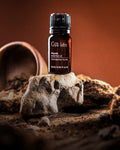

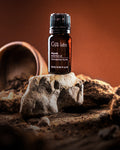
Cedarwood oil can be incorporated into a gentle hairline and scalp care routine when properly diluted in a carrier oil such as jojoba. A few drops of a diluted blend can be massaged lightly around the edges as part of a nightly self care ritual. While cedarwood oil for hair is popular in aromatherapy and cosmetic hair care routines, it should not be presented as a treatment that regrows hair or reverses hair loss. The goal of this routine is simply to support comfortable scalp care and the look of fuller edges.
Why Edges Need Gentle Care
The hair around your temples and hairline deserves a little more attention than it usually gets.
Think about everything your edges experience in a typical week. Tight ponytails, buns, braids, extensions, headbands, hats, brushing, styling products and repeated manipulation can all make the hairline an area that benefits from a gentler approach.
I've always thought of the edges as the part of a hairstyle that gets noticed first and protected last.
That's why I prefer a simple routine rather than constantly adding another product.
A few minutes of gentle scalp massage for hair can turn an ordinary evening routine into a moment of intentional care. When paired with a properly diluted aromatic oil blend, it can also make the ritual feel more enjoyable.
The important distinction is that we're talking about scalp and hair care, not a miracle hair growth treatment.
If your edges appear to be changing noticeably, particularly if you experience persistent thinning, broken hairs, scalp irritation or sudden hair loss, it's worth discussing the concern with a dermatologist or another qualified healthcare professional. A DIY oil routine shouldn't be used to diagnose or manage an underlying condition.
For everyday grooming, however, a gentle massage can be wonderfully simple.
You don't need to spend twenty minutes doing it.
You don't need a complicated collection of oils.
You just need a small amount of a properly diluted blend, clean fingertips and a few quiet minutes before bed.
Cedarwood and Friends for the Hairline
When I think about oils that naturally fit a hair and scalp care routine, cedarwood is one of the first that comes to mind.
Its aroma is warm, dry and distinctly woody. It doesn't smell floral or overly sweet, which makes it especially appealing if you're looking for a straightforward, earthy grooming ritual.
That is one reason cedarwood for hair growth is such a commonly searched topic. However, it's important to separate search interest from evidence. Cedarwood should not be described as something that guarantees hair growth. Instead, think of it as an aromatic ingredient that can be incorporated into a cosmetic scalp care routine.
I particularly like combining cedarwood with rosemary and jojoba because each ingredient brings something different to the experience.
Cedarwood
Cedarwood provides the foundation. Our Cedarwood Essential Oil has a woody aroma that gives any blend a grounded, warm character, while its versatility makes it easy to combine with other essential oils.
For someone new to essential oils, this is one of the reasons I recommend starting with cedarwood. You can use the same diluted blend as part of a scalp massage or adapt the aroma for other personal care applications.
If you've been researching cedarwood oil benefits hair routines, keep expectations realistic. The most useful way to think about cedarwood is as part of a consistent grooming ritual rather than a standalone solution for thinning hair.
Rosemary
The Rosemary Essential Oil tends to add a fresher, more herbal quality to the blend.
I think it really combines well with cedarwood too. Cedarwood is warm and woody, and rosemary is crisp and green. They work really well together because the result is so fresh without becoming sharp.
If you're wondering, "Can I pair cedarwood with rosemary?" The answer is yes from an aromatherapy blending perspective. Just remember that both are concentrated essential oils and need to be properly diluted before topical use.
Jojoba
Jojoba Oil is the carrier oil I would reach for first for this type of routine.
Why?
Because it has a lightweight feel and works well as a base for diluted essential oils.
It also makes the massage itself much easier.
I would not suggest rubbing the hairline with essential oils alone; you'd need to work them with an appropriate carrier oil so that your fingers have some slip without pulling or friction on your scalp.
That is especially important around the edges.
The Nightly Scalp Massage Ritual
This is where the routine becomes genuinely easy.
You don't need a complicated scalp massage technique for hair. The goal is not to vigorously rub the scalp or try to “force” anything to happen.
Gentle is the keyword.
My preferred routine takes around three to five minutes.
Dilution and Amounts
For a small hairline application, start with a properly diluted blend rather than applying essential oils directly to your scalp.
For a simple 1% dilution, you can combine approximately:
Patch Test Reminder
Before applying any new diluted blend to your scalp or hairline, test a small amount on your inner arm first. Wait 24 hours. If redness, itching, burning, or irritation develops, discontinue use and do not apply to the hairline. Never apply essential oils to broken, scraped, or irritated skin.
• 1 tablespoon jojoba oil
• 1 drop cedarwood essential oil
• 1 drop rosemary essential oil
Mix the oils thoroughly before application.
If you have a particularly sensitive scalp, you may prefer starting with an even lower concentration or choosing a ready made product formulated specifically for topical use.
The exact amount you need for your edges is tiny. You don't need to saturate the scalp.
In fact, one of the biggest mistakes I see in DIY hair care routines is assuming that using more oil will produce better results.
It won't.
A small amount is enough to provide slip for the massage.
Massage Technique for Edges
Here's the scalp massage technique for hair that I prefer for the hairline.
Start with clean hands.
Place your fingertips gently along one temple.
Instead of dragging your fingers through the hair, use the pads of your fingertips to make small, slow circular movements against the scalp.
Move gradually along the hairline.
Work from one temple toward the center of the forehead, then repeat on the other side.
After that, move slightly behind the hairline and repeat the same gentle circular motions.
There's no need to press hard.
There's no need to scratch.
And there's definitely no need to pull the hair.
If your fingers are tugging at the edges, you've probably used too little carrier oil or you're applying too much pressure.
A Simple Three Minute Routine
If you want to make the routine even easier, divide it into three one minute stages.
• Minute one: Massage around the temples.
• Minute two: Move across the front hairline.
• Minute three: Massage the areas immediately behind the hairline.
Then stop.
That's it.
The point is consistency and gentleness, not intensity.
How to Use Cedarwood Oil for Hair Without Overdoing It
If you're searching for how to use cedarwood oil for hair, it's tempting to look for complicated recipes.
You really don't need one.
For a simple scalp care routine, dilute cedarwood in jojoba and apply a small amount to the areas you want to massage. If you're looking for a broader range of blend ideas for scalp care, our hair growth blend recipes guide covers several combinations worth exploring.
You can also use the diluted blend more broadly across the scalp if the formulation is appropriate for that use.
I found that applying the blend at night worked naturally with the pace of the evening. By the time I'm done brushing my teeth, sorting everything that accumulated throughout the day, adding three minutes of scalp massage feels less like another to do item and more like a quiet closing ritual.
It feels like the end of the day.
That's an important part of making any self care habit stick.
Consistency and Realistic Expectations
This is probably the section I wish more hair care articles would emphasize.
Don't expect an overnight transformation.
If you're using cedarwood as part of a cosmetic scalp care ritual, think in terms of creating a consistent habit and supporting the look of fuller edges, rather than waiting for a dramatic change.
There is no reliable timeline I can promise for seeing a difference in the appearance of your edges from a nightly oil massage.
Your hairline can also look different from day to day depending on styling, lighting, moisture, product buildup and how your hair is arranged.
So take progress photos under similar lighting if you're monitoring appearance.
And don't compare your hairline to someone else's.
Your goal is not to recreate another person's edges.
It's to develop a routine that is gentle, realistic and comfortable for you.
How Often Should You Massage?
For a nightly ritual, once a day is plenty.
You don't need to massage your edges several times throughout the day.
If nightly use doesn't fit your schedule, start with a few evenings a week.
I'd rather see someone maintain a gentle three minute routine three nights a week than aggressively massage their scalp every day for a week and then abandon the whole thing.
Consistency wins.
Scalp Sensitivity Notes
Not every scalp responds to essential oils in the same way.
If you have a sensitive scalp, start cautiously.
Before using a new diluted blend across the hairline, perform a patch test according to the product's safety guidance.
Watch for redness, itching, burning or discomfort.
If irritation develops, discontinue use.
And don't apply essential oils to broken, scraped or visibly irritated skin.
This is particularly important around the hairline because the skin there can be exposed to styling products, friction and environmental factors throughout the day.
Another thing I always recommend is keeping the blend away from your eyes.
Essential oils are concentrated aromatic substances.
“Natural” doesn't automatically mean “use as much as you want.”
Proper dilution matters.
Should You Wash It Out or Leave It In?
This depends on the amount you've applied and how your scalp responds.
If you've used only a small amount of a properly diluted blend, you may choose to leave it in as part of an overnight grooming routine.
However, if your scalp feels oily, heavy or uncomfortable, wash it out according to your normal hair care routine.
There's no prize for leaving oil on your scalp longer.
Your routine should feel comfortable.
If you use styling products or dry shampoo regularly, you may also prefer applying your oil blend on a planned wash night to avoid creating unnecessary buildup.
Can Cedarwood Be Paired With Rosemary?
Yes, cedarwood and rosemary make a particularly pleasant aromatic pairing.
Cedarwood gives the blend a warm, woody base, while rosemary adds a fresh herbal note.
For a simple diluted hairline blend, I'd keep both essential oils at low concentrations rather than trying to make the aroma extremely strong.
The goal is a subtle grooming experience.
Not perfume.
Not an overpowering scent that follows you around the room.
If you're already using rosemary in another hair care product, check the ingredient list before adding additional rosemary essential oil. For more DIY ideas featuring rosemary, our rosemary essential oil recipes guide has a range of practical blend ideas.
There's no reason to layer multiple concentrated products simply because they're all marketed for hair.
Which Gya Labs Oils Do You Need?
You don't need a dozen products to create this routine.
For the basic version, three ingredients are enough:
• Cedarwood Essential Oil: The warm, woody aromatic foundation.
• Rosemary Essential Oil: Adds a fresh herbal note and pairs naturally with cedarwood.
• Jojoba Carrier Oil: Provides the base for dilution and the slip needed for a gentle massage.
If you're building a broader collection, browse Gya Labs' hair and scalp essential oils range and choose additional oils based on your preferred aroma and grooming routine.
I always recommend starting small. Use what you have consistently before buying another shelf full of bottles.
A Few Things I Wouldn't Do
I've experimented with plenty of DIY hair care routines, and there are a few habits I wouldn't recommend.
• I wouldn't use cedarwood as is on the hairline.
• I wouldn't be rough on the edges of my head until they ache.
• I wouldn't keep applying more essential oil just because a stronger smell must mean better results.
• I wouldn't use a DIY blend as a substitute for professional advice if I'm experiencing persistent or sudden hair loss.
• And I wouldn't judge the success of a routine after two or three days.
Good grooming habits are usually boringly consistent.
That's part of what makes them useful.
Final Takeaway
A hairline routine doesn't need to become another complicated item on your to do list.
A few minutes before bed can be enough.
For me, cedarwood, rosemary and jojoba make a particularly easy combination because the aroma is pleasant, the routine is simple and the massage encourages me to slow down at the end of the day.
If you're exploring oils for thinning edges, keep your expectations realistic. Essential oils are not the magic solution to hair loss, nor should they be used to substitute a professional when you are experiencing constant or rapid changes to your hair.
Instead, look to this as the simple nocturnal scalp treatment that it is.
Just some oil.
A few minutes.
Gentle fingertips.
A commitment that you can commit to.