



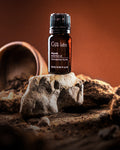

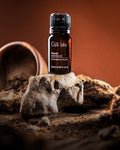
There is something about the scent of clove that instantly reminds me of freshly baked gingerbread, spiced tea, and evenings spent indoors when the weather turns cooler. It has that familiar warmth you notice in holiday baking, but it can be just as inviting in a home fragrance blend.
The appeal of clove bud essential oil lies in its rich, sweet, spicy aroma. Just a little can bring depth to a diffuser blend, complement citrus oils, or add a festive touch to a homemade room fragrance. However, clove is also a particularly potent essential oil, so knowing how much to use matters.
In this guide, we'll explore clove oil benefits from an aromatherapy and home-fragrance perspective, including cozy scent combinations, everyday uses, and the precautions worth knowing before opening the bottle.
Meet Clove Bud: Warm & Spicy
Clove bud essential oil is a concentrated aromatic oil distilled from the dried flower buds of the clove tree. Its warm, sweet, spicy scent makes it popular in autumn and holiday diffuser blends, natural home fragrances, and carefully diluted cosmetic products.
If you've ever opened a jar of whole cloves while baking, you already know the general scent. The essential oil is more concentrated, with a bold spicy opening, a subtle sweetness, and a deep, woody warmth that tends to linger.
Clove is among those warming scents that can create a cozy feeling in a room, just through the smell. It will not actually warm the air or your skin. It will just remind you of getting cozy by baked goods, hot drinks, and holiday warmth.
What are the main clove oil benefits?
When people search for what is clove essential oil good for, they may encounter a wide range of claims. For an everyday aromatherapy routine, its most practical benefits are sensory.
-
Keeps things cozy: The scent of baking-spices fits the turn of the season and your holiday-home aroma combinations.
-
Creates a stronger base for diffuser blends: Just a drop to enhance delicate citrus and woody notes.
-
Pairs with recognizable seasonal fragrances: Clove pairs well with orange, cinnamon, nutmeg, cedarwood, vanilla notes.
-
Enhances personal perfumes: Clove can add a spicy note when used in suitable perfumes.
Clove belongs to the family of spicy essential oils that you really only want to use in moderation. If you use too much, it can quickly dominate a mixture and therefore I like to consider clove as the garnish rather than the cheese.
If you're curious about how botanical ingredients become essential oils, the ingredient library offers a useful starting point.
Cozy Ways to Diffuse It
Diffusing is one of the simplest clove essential oil uses when you're looking for a warm, seasonal aroma. Because clove has such a strong scent, it works best as a supporting note alongside softer or brighter oils.
Three cozy clove diffuser blends
Use the blends sparingly unless the diffuser and the oil's safety information says you can. Diffuse intermittently with the room well-ventilated.
1. Freshly Baked Orange Spice
-
2 drops sweet orange essential oil
-
1 drop cedarwood essential oil
-
1 drop clove bud essential oil
An orange, lemon, and grapefruit top note which gives way to a warm woody base. This is an attractive mix when you'd like your home to smell welcoming without adopting too sweet a scent.
2. Cozy Cabin
-
2 drops cedarwood essential oil
-
1 drop frankincense essential oil
-
1 drop clove bud essential oil
This blend has a deeper, woodsy character with just enough spice to bring the scents together.
3. Spiced Evening
-
2 drops sweet orange essential oil
-
1 drop sandalwood essential oil
-
1 drop clove bud essential oil
Sandalwood provides a smooth foundation for the spicy zest of cloves, with a mix of orange to keep the blend exciting.
For more seasonal inspiration, the DIY pumpkin-spice diffuser and simmer ideas explore other ways to create a baking-inspired atmosphere.
Clove's intensity varies by product, diffuser, and room size. If the aroma feels overpowering, stop the diffuser, ventilate the space, and use a smaller amount next time. Never run a diffuser continuously simply to maintain a strong scent.
Blending Clove with Other Essential Oils
The trick to blending clove is to keep its strength in check: I like to introduce fresh citrus oils to accentuate it's natural sweetness, and woody oils to soften the spicy strength.
| Essential Oil | Aroma Profile | How It Complements Clove |
|---|---|---|
| Sweet Orange | Bright, sweet, citrusy | Creates a familiar orange-and-spice aroma |
| Cedarwood | Dry, woody, earthy | Gives clove a softer, woodsy finish |
| Sandalwood | Warm, creamy, woody | Rounds out clove’s sharp, spicy notes |
| Nutmeg | Sweet, nutty, spicy | Adds a warm, freshly baked character |
| Cinnamon Bark | Sweet, intense, spicy | Creates a bold holiday fragrance but requires extra caution |
Orange and cedarwood are particularly useful if you're new to blending clove bud essential oil. Both can complement its scent without making the finished fragrance feel too heavy.
Cinnamon is another safe familiar combo that warrants caution when mixing up two very strong oils. For the average beginner home-fragrance experiment I'd begin with orange, cedarwood, or sandalwood. If you enjoy baking-inspired aromas, warm and spiced combinations with nutmeg and cinnamon offer more ideas for exploring this fragrance family.
Dilution and 'Hot' Oil Safety
Clove bud oil is classified as a 'hot' oil due to the presence of aromatic eugenol, which can be mildly irritating to skin. Do not use it on skin undiluted, and even for diluted oil, cautious use is recommended.
This is an important distinction. Although clove is one of the most recognizable warming essential oils, its cozy fragrance does not make it a gentle oil for direct skin application.
How should you dilute clove bud oil?
Since it is used as a leave-on product, clove bud oil has a recommended concentration far lower than several of our more popular essential oils. The safe limit will be specific to the product, how it's used and the chemical composition of the oil.
For a beginner, the simplest approach is to avoid homemade leave-on clove products unless you're working from a properly formulated recipe with a verified safe concentration. Adding a single drop to a small bottle of carrier oil can still produce a mixture that's too concentrated.
Keep these precautions in mind:
-
Clove oil should never be used straight to the skin.
-
Keep away from the face, lips, eyes, open wounds and freshly shaved skin.
-
Do not add directly into bath water as many essential oils are not water soluble.
-
Follow the supplier's product-specific safety guidance and applicable dermal limits.
-
Patch-test an appropriately formulated cosmetic product before wider use.
-
Do not use any product that causes discomfort and/or irritation.
Dilution reduces concentration, but it does not eliminate the possibility of skin sensitivity.
Skin and Home Uses
When exploring clove essential oil uses, it helps to separate cosmetic applications from home fragrance. They involve different levels of exposure and different safety considerations.
Adding clove to a personal fragrance
Clove is one of the more unique ingredients in woody and spicy perfumes. It harmonizes nicely with citrus, cedarwood, and sandalwood and adds depth to the fragrance if you're looking for subtle, warm aromas.
But making perfume is a bit more exact than that. Due to clove's skin-sensitization rating, the dosage in your formulation can be calculated depending on what you're making and the appropriate fragrance safety standards.
If you're dabbling with scents at home, test out combinations of oils on individual fragrance test strips first. This allows you to play around with a blend without applying an experiment to your skin.
Creating a cozy home fragrance
For home blends, try clove with dried orange, whole spices, and woody notes. Whole cloves and dried orange slices in a bowl make a great seasonal decor feature without filling the space with highly concentrated essential oils.
For an essential-oil-based room fragrance, choose a properly formulated product rather than simply shaking oil and water together in a spray bottle. Essential oils do not dissolve in water, and droplets of concentrated oil can remain in the mixture.
If you want to compare individual aromas before blending, the product descriptions for Clove Bud Oil and Cinnamon Bark Oil are useful references for understanding their different spicy scent profiles.
Pet and Kid Notes
A cozy scent should never come at the expense of the people or animals sharing your home. Clove oil is highly concentrated, and children and pets may be more vulnerable to exposure.
If you have young children or pets, the safest option is to avoid diffusing clove in shared spaces unless a qualified healthcare or veterinary professional has confirmed that its use is appropriate for your circumstances.
Store bottles in a safe place. Keep bottles out of your pet's reach. Never squirt clove essential oil on your pet's fur or skin, put it into their bedding, or let your pet ingurgitate it. Be careful with diffusing oils in the vicinity of birds as they are super sensitive to odors in the air.
Always have all pets leave the room if a diffuser is used and be aware that a pet may need to exit the room for some time after a diffuser has been used. Remove any pet if it appears to be showing signs of distress and consult a vet if the pet has breathed or ingested any product.
A Little Clove Goes a Long Way
Clove is one of those fragrances that can change the character of a blend with just a small amount. Paired with orange, it brings to mind holiday baking. Alongside cedarwood or sandalwood, it becomes warmer, deeper, and a little more understated.
To me, it's the versatility of cloves that make this essential oil such a great ingredient-not the fact that I can toss a few drops in a recipe. Begin with light fragrance pairings, remember that it's potent, and be prepared for its signature baking-spice scent.