



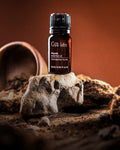

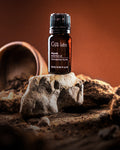
Nutmeg, cinnamon, orange, ginger and clove essential oils are popular choices for creating a warm, spiced aroma. Nutmeg and cinnamon bring the characteristic cozy spice, while orange adds a bright citrus note. For a simple cozy evening diffuser blend, try nutmeg and cinnamon with a few drops of orange.
There are evenings when I want my home to smell like a cozy kitchen without actually spending an hour baking. Something warm, spicy, slightly sweet and inviting can completely change the atmosphere of a room.
That is where nutmeg and cinnamon come in.
These two essential oils have naturally rich, spicy aromas that work beautifully together, especially when paired with something bright like orange. Whether you're settling in with a book, getting ready for a quiet evening at home or simply want your space to feel more welcoming, a warm spice diffuser blend can be an easy way to create that mood.
One important note before we get into the blends: cinnamon essential oil needs extra care when used on skin because it can be irritating if it is not properly diluted. For the recipes in this guide, we'll focus primarily on diffusion and discuss topical use separately.
The Comfort of Warm Spice
Scents can have a surprisingly strong connection with the atmosphere we create at home.
Think about the smell of cinnamon coming from the kitchen, freshly grated nutmeg over a warm drink or orange peel added to a simmering pot. These aromas tend to feel familiar and comforting, particularly during cooler months.
That is part of what makes comforting essential oils so enjoyable in an evening routine. They don't have to do anything complicated. Sometimes, I simply want my living room to smell warmer and more inviting while I switch off from the day.
Warm, spicy oils are especially useful when you want something different from the usual floral diffuser combinations.
Lavender has its place, of course, but I don't always want a floral aroma at the end of the day. Sometimes I prefer something richer and more atmospheric.
Nutmeg has a warm, subtly sweet and spicy aroma. Cinnamon is more intense, with a familiar sweet-spice character. Orange brings brightness to both, helping keep the blend from becoming too heavy.
Together, they create the kind of scent I associate with cozy evenings, soft lighting and staying indoors when the weather outside is less inviting.
Nutmeg & Cinnamon: The Cozy Pair
Nutmeg and cinnamon are naturally complementary.
Nutmeg essential oil has a warm, spicy aroma with a slightly earthy character. It isn't quite as immediately sweet as cinnamon, which gives it a little more depth when blended with other oils.
Cinnamon essential oil is bolder. Its unmistakable spicy aroma can quickly become the dominant note in a blend, so I prefer using it sparingly when diffusing.
This is one of those combinations where more isn't necessarily better.
A few drops of nutmeg paired with a small amount of cinnamon can create a rich aroma without making the entire room smell overwhelmingly spicy.
Nutmeg Essential Oil
When I want a warm spice diffuser blend to feel rounded rather than sharp, nutmeg is one of the oils I reach for.
Its aroma works particularly well with citrus and woodsy oils. Orange is an easy pairing because its bright sweetness balances nutmeg's deeper spice. Cedarwood can take the blend in a drier, woodier direction, while ginger can make it feel more intensely spicy.
The appeal of nutmeg is largely about its aroma profile. The commonly discussed nutmeg oil benefits are connected to its warm, spicy scent and its versatility in aromatic blends rather than any promise of treating a health condition.
For an evening diffuser, I like keeping nutmeg as one of the main notes while allowing another oil to provide contrast.
Cinnamon Essential Oil
Cinnamon has one of the strongest personalities in a diffuser.
Even when you use only a small amount, its sweet, spicy aroma can make itself known. That's why cinnamon oil benefits are best thought of in the context of its aromatic qualities and versatility in home fragrance rather than making therapeutic promises.
It can instantly make a blend feel warmer and more seasonal.
For that reason, cinnamon is particularly well suited to autumn-inspired blends. Pair it with orange for a familiar spiced citrus aroma, or combine it with nutmeg for something deeper and more traditional.
My biggest tip is simple: start with less cinnamon than you think you need.
You can always add another drop to a diffuser blend later. You can't remove a drop once it's already in there.
Warm-Spice Diffuser Blends
Once you understand how these oils behave individually, blending them becomes much easier.
I usually think about a diffuser blend in terms of balance. You need a main character, something to support it and, ideally, a contrasting note that keeps the aroma interesting.
Nutmeg and cinnamon can provide warmth. Orange can brighten the combination. Cedarwood can make it woodier. A little ginger can give it an extra spicy edge.
Here are two simple blends to try.
Cozy Evening Diffuser Blend
This is the blend I'd choose when I want my home to feel warm and relaxed without making the aroma too complicated.
You'll need:
-
3 drops orange essential oil
-
2 drops nutmeg essential oil
-
1 drop cinnamon essential oil
Add the oils to your diffuser according to the diffuser manufacturer's instructions and enjoy the aroma in your living space.
The orange comes through first with a bright citrus note, followed by the warm spice of nutmeg and cinnamon.
If cinnamon feels too strong for your preference, reduce it to half a drop only if your diffuser and measuring method allow for that accurately, or simply leave it out and increase the orange or nutmeg slightly.
I particularly like this combination in the early evening when I'm transitioning from a busy day into a slower part of the night.
Spiced Citrus Diffuser Blend
If you prefer your warm spice diffuser blend to feel brighter and less heavy, try adding more citrus.
You'll need:
-
4 drops orange essential oil
-
2 drops nutmeg essential oil
-
1 drop cinnamon essential oil
-
1 drop ginger essential oil
This one has a more noticeable citrus opening, followed by a warm spicy finish.
It also makes a lovely cozy fall diffuser recipe because the combination feels seasonal without smelling overly sweet.
If ginger isn't your thing, you can leave it out. Orange, nutmeg and cinnamon already make a complete blend on their own.
How Many Drops Should You Use?
There isn't one universal number of drops that works for every diffuser.
Diffuser water capacity varies from one model to another, so it's best to follow the manufacturer's instructions first. As a general starting point, many people prefer a small number of total essential oil drops rather than filling the diffuser with a large amount.
For the recipes above, six to eight total drops is a reasonable starting point for a typical home diffuser, but you should adjust according to your diffuser's capacity, the room and your personal preference.
I always prefer starting lighter.
A subtle aroma can make a room feel inviting without becoming overwhelming. If the scent isn't strong enough, you can adjust the next time.
Cinnamon Skin Safety Note
Cinnamon essential oil deserves a little more caution than many of the gentler aromatic oils.
Because cinnamon can be irritating to the skin, I would not recommend applying it directly to your skin or adding it casually to a DIY body product. If you want to experiment with cinnamon in a topical blend, use an appropriate carrier oil and follow conservative dilution guidance from a qualified aromatherapy professional or the product manufacturer's safety recommendations.
A patch test is also sensible when introducing any new topical essential oil blend.
For a simple evening routine, diffusion is the easier option.
Nutmeg essential oil also needs to be properly diluted for topical use. Essential oils are highly concentrated, so adding more drops does not necessarily create a better experience.
When in doubt, keep your blend simple and aromatic rather than experimenting with concentrated topical formulas.
Can You Use Nutmeg and Cinnamon on Skin?
Yes, essential oils can be incorporated into topical products when they are appropriately diluted and the individual oil is suitable for that application. However, cinnamon requires particular care because of its potential to irritate skin.
If you're new to essential oils, I'd start with gentler carrier-oil based products and leave cinnamon primarily for diffusion.
For any topical blend, use a suitable carrier oil such as jojoba, coconut or sweet almond oil. Never apply essential oils neat unless a qualified professional has specifically advised you to do so for a particular oil and application.
And remember that "natural" does not automatically mean "risk-free." Essential oils are concentrated aromatic ingredients and should be treated accordingly.
What Pairs Well With Nutmeg and Cinnamon?
This is where these two oils become particularly fun to work with.
Orange: My first choice when I want brightness and sweetness.
Cedarwood: Excellent when you want a drier, woodier aroma.
Ginger: Adds another layer of warm spice.
Clove: Creates a deeper, more intense seasonal aroma, so use it sparingly.
Vanilla: Adds sweetness and makes a blend feel dessert-like and comforting.
Frankincense: Can give a warm spice blend a more resinous, sophisticated character.
You don't need all of these oils in one recipe. In fact, I would recommend choosing two or three supporting notes rather than trying to use everything at once.
One of the easiest ways to learn blending is to change just one ingredient at a time. That makes it much easier to understand what each oil contributes.
Making Your Warm Spice Blend Less Sweet
Not everyone wants their home to smell like a cinnamon pastry.
If your blend feels too sweet, there are several easy ways to shift the aroma.
First, reduce the cinnamon.
Then try adding a dry or woody note such as cedarwood. You can also use less orange and more nutmeg if you want to retain the warmth without adding as much citrus sweetness.
Another approach is to introduce a fresh note. A tiny amount of peppermint can change the character of a warm spice blend considerably, although I'd use it sparingly because its aroma can quickly take over.
For me, the best blends have contrast. Warm does not have to mean sugary.
Are Warm Spice Oils Safe Around Pets?
Pet safety deserves attention whenever you're diffusing essential oils at home.
Cats, dogs and other animals can respond differently to concentrated aromatic compounds, and their ability to process certain substances can differ from ours. Because of that, don't assume that an essential oil blend that smells pleasant to you is automatically appropriate for every pet.
If you have pets, especially cats, birds or animals with respiratory sensitivities, speak with a veterinarian about whether essential oil diffusion is appropriate in your home.
If you do diffuse, provide good ventilation and make sure pets can leave the area rather than being confined in a room with the diffuser.
For households with pets, a cautious approach is always better than assuming that "just a few drops" cannot matter.
How Long Should You Diffuse?
Longer isn't necessarily better when it comes to aromatic diffusion.
Alternatively, I like to do a shorter diffusion time if I want my space to be warm and cozy for the evening instead of continually diffusing for hours.
Always follow your diffuser manufacturer's recommended time for diffusing and give your diffuser a break in between.
Pay attention to the room as well.
If the aroma becomes overpowering, that's your cue to stop. The goal is to create an inviting atmosphere, not to make the entire room smell intensely of cinnamon.
Fresh air and ventilation are also useful, particularly in smaller rooms.