



A neck and shoulder massage oil is a 1 percent blend, which is 3 drops of essential oil in a tablespoon of carrier oil. Marjoram and black pepper suit an end of day routine. Apply a small amount, use slow circular strokes over the shoulders and the back of the neck, then follow with easy stretches. The point is to unwind, not to treat pain or a medical condition.
You sit down to answer a few emails, check a couple of messages, finish a report, and several hours have gone. Your shoulders have crept toward your ears, your head has been leaning at the screen, and your neck feels like it has held one position all day.
That is when five or ten minutes of something deliberate is worth more than an elaborate routine. A little oil, some slow movement, and no screen. Below is the blend with its actual percentage, the massage steps, four stretches, and the point at which this stop being a job for massage oil.
Why Screens Tighten Neck and Shoulders
Tech neck is the everyday name for the tension that comes with long stretches looking down at phones, tablets and laptops.
Think about a normal working day. You are sitting. Your eyes stay on the screen. Your shoulders round forward a little, your head drifts toward the monitor, and you notice none of it because it happens slowly. Then you stand up, and that is when you find out how still you have been.
The screen itself is not really the problem. It is the combination of sitting for long stretches, holding one position and being absorbed enough not to move.
The biggest difference for me came from not waiting until the end of the day. A shoulder roll between meetings, getting up for water, raising the monitor so the top of the screen sits roughly at eye level. None of that is dramatic and all of it makes the day less rigid.
A massage ritual is another part of the same habit. I do not think of the oil as something that fixes anything. I think of reaching for the bottle as the cue to stop, put the shoulders down and take a few minutes away from the keyboard. That change of pace is the useful part.
Oils That Suit a Desk Tension Blend
When I choose oils for a massage blend I start with the aroma rather than looking for a miracle ingredient. You are building something you want to repeat, so it has to smell like something you like.
For an end of day routine, two work particularly well together.
Marjoram
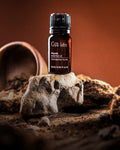
Gya Labs Marjoram Essential Oil is Origanum majorana, distilled from the leaves of a Mediterranean herb. $14.99 for 10ml.
The aroma is warm and herbaceous with a slightly sweet edge. It is not as instantly recognisable as peppermint or lavender, which is part of why I like it in an evening blend. It sits well under woody and spicy notes, so it is easy to build around.
Black pepper
Gya Labs Black Pepper Essential Oil is Piper nigrum, steam distilled from dried peppercorns. $13.99 for 10ml.
Warm, spicy, earthy and a little woody. A small amount gives a blend depth and stops it reading as soft or floral. Paired with marjoram the two balance each other, herbal against warm, and the result is closer to a grooming product than a spa one.
One practical note. Black pepper carries no particular dermal restriction, but it is worth replacing once it has oxidised, which you will notice as the aroma going flat and slightly turpentine like. An old bottle is more likely to irritate skin than a fresh one.
Peppermint, if you prefer fresh to warm
Gya Labs Peppermint Essential Oil is $10.59 and takes the blend in the opposite direction, crisp rather than warm. Use less of it than you think, because it dominates quickly.
The Blend
You do not need a complicated formula. This makes one small batch.
What you need
• 1 tablespoon, which is 15ml, of carrier oil
• 2 drops marjoram essential oil
• 1 drop black pepper essential oil
Three drops in a tablespoon is a 1 percent dilution, which is the standard working strength for an adult body blend. The usual range is 1 to 2 percent, so 3 to 6 drops per tablespoon, and I would stay at the lower end for anything going on the neck.
Mix it well before use. If you want the arithmetic for larger batches, our step by step guide to diluting essential oils covers it.
Patch test first. Put a small amount on the inner forearm, leave it 24 hours, and if nothing happens use it normally. Essential oils are concentrated and do not go on skin undiluted, whatever the oil.
If you would rather not mix anything, Relaxing Massage Oil is already blended and ready, 200ml for $18.99. The recipe above is for people who want to choose the aroma themselves.
Choosing a carrier oil
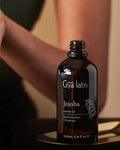
Jojoba at $14.99 for 100ml is my default, because it is light and it keeps well. Sweet almond is the classic massage carrier and has more slip, which suits a longer massage. Fractionated coconut works if you already like the feel of it. The whole range is in the carrier oils collection.
The carrier is doing most of the work on how the massage feels. The essential oil is mostly there for the aroma, and at 1 percent it is a very small part of the bottle.
The Five-Minute Ritual
I do this at the end of the working day, usually after a few hours of switching between email, documents and calls. Phone goes away first. Then a small amount of oil warmed between the palms, which is not about generating heat, it is just nicer than cold oil on the neck.
Pressure is not the point. Harder is not better, and gentle controlled movement is enough.
The steps
1. Rest both hands on the tops of your shoulders and make slow circles. Start light and only increase as far as stays comfortable.
2. Move across the upper shoulders with your fingertips or the flats of your fingers, small circles, slowly.
3. Work toward the sides and back of the neck. Keep the pressure gentle here. Do not press on the front or sides of the throat, and stay off the spine itself.
4. Make slow strokes upward from the shoulder to the base of the neck with the pads of your fingers. You do not need to work the same spot repeatedly.
5. Finish back on the shoulders with a few slow circles, then stop and take a few easy breaths.
That is the whole thing. Five minutes is enough to create a pause, and a pause is what you came for.
Four Stretches to Follow
The movement matters at least as much as the oil. These four take another two minutes.
Shoulder rolls
Roll both shoulders slowly backward several times, then reverse.
Chin tuck
Sitting or standing comfortably, draw the chin gently backward, as though making the back of the neck longer. Do not force it and do not push the head down.
Slow side to side
Turn the head from one side to the other, staying inside a comfortable range.
Chest opener
Draw the shoulders back and down, or clasp the hands behind the back if that is comfortable. Hold for a few breaths.
None of this should be pushed through discomfort. The aim is movement after a long stretch of stillness, not a workout.
Warming or Cooling?
This one is personal preference, and it is worth being clear about what is actually happening.
Black pepper gives a blend a warm, spicy character. Peppermint gives it a fresh, cooling one. Both of those are aromatic impressions, not physical effects on the tissue underneath, and neither is a substitute for proper care when something is genuinely wrong.
So the question is not which one works. It is which aroma makes you want to stop and do the five minutes. That is the one to buy.
When to Do It, and How Often
The end of the working day is the easiest slot, because it marks the change from work to everything else. It also works after a commute, before a shower, before reading, or as part of a wind down.
A shorter version works mid afternoon too. Stand up, roll the shoulders, breathe, work a little oil into the shoulders, sit back down.
Five to ten minutes is plenty, and daily is fine for most people as long as the blend is properly diluted and your skin is happy with it. Adding more drops does not make it work better. If you notice irritation, stop using the blend.
Two practical things nobody mentions. Massage oil will mark a collar and a pillowcase, so give it a few minutes to absorb before you get dressed or lie down, and keep the blend off a shirt you care about. And if this is part of a bedtime routine, half an hour before bed is more comfortable than immediately before.
When to Get It Checked
|
This is the part that matters most If neck or shoulder discomfort is persistent, severe, getting worse, follows an injury, or comes with other symptoms such as numbness, tingling, weakness or pain running down an arm, speak to a qualified healthcare professional rather than working on it yourself. Do not massage an area that is injured, swollen or inflamed without guidance. |
A massage ritual is for everyday relaxation. There is nothing wrong with enjoying one, and it is worth knowing where a wellness routine ends and professional care begins.
Who Should Check First
• If you are pregnant or breastfeeding, check with your doctor or midwife before using a new essential oil blend, including marjoram.
• If you take regular medication or manage an ongoing condition, mention the blend to your pharmacist.
• For children, halve the dilution and check that each oil suits their age.
• Keep oils away from the eyes and out of reach of children and pets.
Final Thoughts
The screen heavy days are not going anywhere, and neither are the emails, the calls and the tabs.
What you can change is how you come out of them. Five minutes of slow massage, a few stretches and an aroma you actually like is enough of a transition, and it does not need a shelf of products behind it.
Marjoram and black pepper are the pairing I come back to when I want something warm. Peppermint when I want fresh. If the neck is the part that always goes first for you, the same approach works on the back, and our back massage routine covers that one.
Step away from the screen. Put your shoulders down. Take a breath. Give yourself five minutes. Most of the value is in stopping, and the oil is just what reminds you to.