



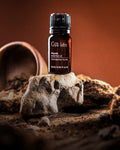

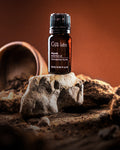
Rosemary oil is commonly used in hair and scalp care to support the look of fuller, well-groomed hair, while its fresh, invigorating aroma makes it popular for focus-oriented aromatherapy. When used topically, rosemary essential oil should always be diluted with a carrier oil.
If you're wondering what rosemary oil is actually good for, hair care and aromatherapy are two of the easiest places to start. Rosemary essential oil has a fresh, herbaceous aroma that fits naturally into scalp and hair routines, while its invigorating scent makes it a popular choice for creating a more alert, focused atmosphere.
I like rosemary for exactly that reason. One bottle can have a place in your morning hair routine, your diffuser, and even a simple evening self-care ritual. You don't need an elaborate routine or a dozen different oils to make use of it.
Let's look at the most practical rosemary oil benefits, how to use it for hair and scalp care, how it fits into focus rituals, and how to dilute it properly.
Rosemary: The Multitasker
Rosemary has a scent that's difficult to mistake. It's fresh, green, herbal, and slightly camphoraceous, with a crisp quality that can make a space feel instantly refreshed.
That versatility is what makes rosemary essential oil so useful in everyday aromatherapy.
I often think of it as a multitasker because you can approach it in completely different ways depending on what you're doing. In the morning, you might add a diluted blend to your scalp care routine. During a work session, you could diffuse it to create a fresh, invigorating environment. Later, it can become part of a relaxing blend with softer oils.
Some common rosemary essential oil uses include:
- Hair and scalp care
- Diffuser blends
- Personal aromatherapy routines
- Diluted body and beauty blends
- DIY hair oil recipes
- Fresh, herbal room aromas
The important thing is to think of rosemary as part of a routine rather than a miracle ingredient. Essential oils can add aroma and sensory appeal to self-care, but they aren't a replacement for medical or hair-loss treatments.
Rosemary Oil for Hair and Scalp
This is probably the use people associate with rosemary most often.
Rosemary oil for hair can be incorporated into a simple scalp oil, hair care blend, or pre-shampoo routine. When properly diluted in a carrier oil, it adds a fresh herbal aroma while giving you another way to make scalp care feel intentional.
The thing I love about rosemary is that it doesn't make a hair routine feel too complicated. You can keep the recipe simple, use a carrier oil you're already familiar with and incorporate it into a routine you'll actually do.
Rosemary Oil and the Look of Fuller Hair
When people talk about rosemary oil benefits for hair, they often focus on the appearance of fuller-looking hair.
It's important to keep expectations realistic. Rosemary essential oil isn't a guaranteed hair growth treatment, and results can vary. For a Gya Labs style of hair care content, the better approach is to focus on appearance, grooming, scalp care, and consistency.
A well-cared-for scalp and a well-thought-out hair routine can influence the texture and general appearance of your hair. Rosemary just happens to complement that routine: It's pleasant aroma and versatility makes it a perfect addition.
If your goal is to create a hair oil that feels lightweight and pleasant to use, start with a carrier oil you already enjoy. Jojoba, coconut, and sweet almond oil are all commonly used options. Our hair and scalp range has the carriers and blends together.
How to Use Rosemary Oil on Your Scalp
One of the simplest methods is to dilute rosemary essential oil in a carrier oil before applying it to the scalp.
For a small batch, you could start with:
- 1 tablespoon carrier oil
- 2 to 3 drops rosemary essential oil
Combine all oils in your palm or small glass bottle. Massage into scalp gently. I like to use my finger tips, but not to scrub. Just to move the mixture around the scalp, totally comfortably!
If you're new to essential oils, start with a lower concentration. You can always adjust your routine later if your skin responds comfortably.
Rosemary for Hair Care
There are plenty of ways to work rosemary into hair care without turning the bathroom into a laboratory.
Try using a diluted rosemary blend as part of a pre-wash scalp ritual, or combine it with another carrier oil you already use.
For a simple routine, apply a small amount of diluted oil to the scalp, massage gently for a minute or two, and follow your normal washing routine.
The experience matters too. A fresh herbal scent can make an ordinary hair care step feel much more purposeful.
Rosemary Oil for Focus and Clarity
Hair isn't the only reason rosemary has become such a popular essential oil.
Its crisp, invigorating aroma also makes it a natural choice for focus-oriented aromatherapy routines.
When I'm trying to concentrate, I don't necessarily want a complicated blend. Sometimes I just want something fresh in the background while I work. Rosemary fits that moment particularly well. It sits with the rest of our focus and clarity oils.
Rosemary Oil for Focus
Rosemary oil for focus is best approached as an aromatherapy ritual rather than a treatment for concentration or memory problems.
You might diffuse rosemary while working, studying, journaling, or completing a repetitive task. The fresh aroma can help create an environment that feels more awake and intentional.
Try this simple diffuser blend:
- 3 drops rosemary
- 2 drops lemon
- Diffuse for a short period while starting a task.
I like blends like this because they create a clear sensory cue. When the rosemary and lemon aroma starts, it's time to put the phone away, open the laptop, and get started.
That routine itself can be useful. The oil becomes part of the habit rather than being treated as a quick fix.
Rosemary Oil for Memory
Rosemary oil for memory is a popular search topic, but this is where wording matters.
It's more responsible to say that rosemary aroma has been studied in connection with cognitive performance than to promise that using rosemary oil will improve memory.
Essential oils aren't memory treatments, and aromatherapy should not be presented as a substitute for professional care.
If you enjoy rosemary's aroma, however, there's nothing wrong with incorporating it into a study or work ritual. You can use the scent as part of a consistent environment for reading, writing, or focused tasks.
Think of it as setting the atmosphere, not changing how your brain works. We go deeper on essential oils for focus and mental clarity in a separate guide.
How to Use and Dilute Rosemary Oil
Essential oils are concentrated, so dilution is one of the most important parts of using rosemary topically.
Never use the rosemary essential oil undiluted directly on your skin or scalp. A 1% dilution is a good everyday topical dilution for many adults.
For example:
- 1 tablespoon carrier oil
- 2 to 3 drops rosemary essential oil
- Mix thoroughly before applying.
If you're preparing a larger batch, calculate the dilution based on the total amount of carrier oil rather than simply adding drops until the aroma feels strong enough. Our dilution guide has the full table.
More oil doesn't necessarily mean a better experience. In fact, a lighter blend is often easier to use consistently.
Choosing a Carrier Oil
The carrier oil changes how your rosemary blend feels as much as the essential oil changes how it smells.
Jojoba oil is a popular option for scalp and hair routines because of its lightweight feel. There's more on jojoba oil for hair here.
Coconut oil works well when you prefer a richer texture and is particularly easy to incorporate into a pre-wash hair routine.
Sweet almond oil is another versatile carrier for body and hair blends.
If you're making your first rosemary scalp blend, choose the carrier oil you already know works comfortably for you.
Blends and Pairings
Rosemary has a fresh, herbal personality, which means it pairs beautifully with both bright citrus oils and softer, grounding aromas.
Here are some combinations I particularly like.
Rosemary and Peppermint
This is a lively combination for a morning diffuser.
The herbal character of rosemary works with peppermint's crisp, cooling aroma to create a blend that feels fresh and energetic.
Try:
- 2 drops rosemary
- 1 drop peppermint
- 1 drop lemon
This is particularly pleasant to work in the office or the start of a day.
Rosemary and Lavender
If peppermint feels too sharp, lavender softens the blend.
Try:
- 2 drops rosemary
- 2 drops lavender
The result is floral, herbal and balanced – but not sickeningly sweet.
Rosemary and Cedarwood
For something deeper, pair rosemary with cedarwood.
Try:
- 2 drops rosemary
- 2 drops cedarwood
The woody character of cedarwood gives rosemary a warmer foundation.
Rosemary and Lemon
This is one of the simplest combinations.
Rosemary brings the herbal note while lemon adds brightness.
Try:
- 2 drops rosemary
- 2 drops lemon
It's a particularly easy choice for a diffuser or fresh-smelling workspace.
Safety Notes
Rosemary essential oil is concentrated, so a little goes a long way.
Always dilute rosemary essential oil before applying it to your skin or scalp. Avoid the eyes and other sensitive areas, and wash your hands after handling concentrated essential oil.
Before using a new topical blend more widely, perform a patch test on a small area of skin and monitor how your skin responds.
If you're pregnant, nursing, taking medication, managing a health condition, or unsure whether rosemary essential oil is appropriate for you, speak with a qualified healthcare professional before using it.
Essential oils are meant to enhance your usual personal care and aromatherapy use, and should never be marketed for use in hair growth, memory or concentration problems or other health conditions.