


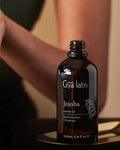
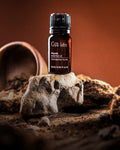

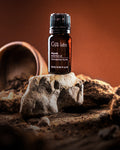
A DIY citrus room spray is easy to make with distilled water, a suitable solubilizer, and essential oils such as orange, tangerine, and lemongrass. Mix the essential oils with the solubilizer according to its recommended ratio, add distilled water, transfer the mixture to a spray bottle, and shake well before each use.
When guests are coming over, I don’t always have time to completely rearrange the house or spend hours making everything look perfect. Sometimes, I just want the room to smell fresh, cheerful, and inviting before the doorbell rings.
That’s where a quick citrus room spray comes in.
With a few essential oils, distilled water, a suitable solubilizer, and a spray bottle, you can make a simple homemade room spray that gives your space a bright aromatic lift in just a few minutes. Orange and tangerine bring the cheerful citrus character, while lemongrass adds a crisp herbal note that keeps the blend from smelling too sweet.
If you’re looking for a DIY room spray with essential oils for a festive gathering, this is one of the easiest blends to start with.
Why Citrus Oils Work So Well for Gatherings
There’s something naturally welcoming about citrus.
A good room fragrance doesn’t need to dominate the room. For gatherings, I prefer scents that greet people when they walk in but don’t linger so heavily that they become the first thing anyone notices. Citrus oils work particularly well for this because their aromas tend to feel bright, fresh, and immediately recognizable.
Orange has a familiar, cheerful scent that suits almost any room. Tangerine offers a gentler, sweeter note, and lemongrass adds a crisp herbaceous touch that gives the blend some contrast.
Together, they create the kind of natural room spray I like using before friends or family arrive. A few sprays can refresh the atmosphere before guests arrive, whether you’re hosting a festive dinner, a weekend get together, or simply want your home to feel a little more welcoming.
You can use it in the living room before guests arrive, refresh a home office during the day, or create a brighter atmosphere before a festive meal. If you want to try a different top note, browse our full range of citrus essential oils .
The trick is keeping the aroma balanced. When I’m making a homemade room spray, I would rather start with a subtle blend and add another spray later than make the first application so strong that everyone notices it immediately.
A room should still smell like a room. The fragrance is there to complement the atmosphere, not take it over.
What You’ll Need
For a small room spray, you’ll need:
• 4 oz distilled water
• A suitable solubilizer, used according to the manufacturer’s recommended ratio
• 12 total drops of essential oils
• A clean 4 oz glass or suitable spray bottle
• A small funnel
• Measuring spoons or a scale
For the essential oil blend, you can choose from the recipes below.
The solubilizer is important because essential oils and water don’t naturally stay mixed. A properly formulated water based spray needs an ingredient that helps disperse the essential oils through the water rather than leaving concentrated droplets floating on top.
If your chosen solubilizer has specific usage instructions, follow those rather than relying on a generic ratio. Different solubilizers have different formulation requirements.
If you would rather not source a solubilizer, 1 tablespoon of witch hazel or vodka per cup of distilled water is the simpler route, and it is the method we use in our citrus and lavender room spray recipes. It disperses the oils well enough for a small batch you will use within a few weeks.
The Citrus Recipe
There are two ways I like to make this festive blend. The first is brighter and more strongly citrus. The second adds a fresh herbal note for a slightly more layered aroma.
Bright & Zesty
For a cheerful citrus room spray, try:
• 6 drops Orange Essential Oil
• 4 drops Tangerine Essential Oil
• 2 drops Lemongrass Essential Oil
This is the blend I’d choose when I want the room to smell sunny, clean, and welcoming.
Orange takes the lead with its familiar sweet citrus character. Tangerine softens the blend and adds a juicy quality, while lemongrass keeps everything feeling fresh rather than overly sweet.
It works especially well before a lunch, brunch, dinner, or festive gathering.
Citrus + Herb
If you prefer something a little less sweet, adjust the blend to:
• 5 drops Orange Essential Oil
• 3 drops Tangerine Essential Oil
• 4 drops Lemongrass Essential Oil
The additional lemongrass gives the spray a greener, sharper aromatic character.
I like this version for larger spaces because the citrus doesn’t feel quite as sweet as a dessert. It has more of that freshly opened window feeling while still keeping the festive warmth of orange and tangerine.
You can also experiment with the proportions once you’ve tried the basic recipe. Start with small batches rather than adding a large number of oils at once. It is much easier to increase an aroma than to rescue a blend that has become overpowering. If you want more variations, we have five more in our citrus and lavender room spray recipes.
How to Make the Room Spray
Making the spray itself is straightforward.
First, make sure your bottle and mixing tools are clean and completely dry.
Add the essential oils to the appropriate amount of solubilizer and mix them according to the solubilizer manufacturer’s instructions. Then add the mixture to the spray bottle.
Add the distilled water and close the bottle securely.
Shake well before use.
Because this is a small homemade water based preparation, I recommend making only what you expect to use within a short period rather than preparing a large batch and storing it indefinitely. Water based DIY products can be more susceptible to microbial contamination, particularly when they are made without a preservative system.
For that reason, label your bottle with the date you made it and discard it if the appearance, smell, or condition changes.
Shake, Store and Use
Even with a solubilizer, I like giving a homemade room spray a quick shake before spraying.
Mist it into the air around the room rather than spraying directly onto people, pets, food, or delicate surfaces.
For a gathering, I usually start with a few sprays near the entrance, living area, or dining space and then give the aroma a few minutes to settle.
You don’t need to saturate the room. The goal is a light aromatic impression, not a cloud of fragrance.
How many drops should you use?
For this 4 oz sample recipe, 12 total drops of essential oils gives you a simple starting point.
Scaling to a different bottle size? Don’t just multiply the drops without taking the whole formulation into account. Keep the essential oil concentration at a level suitable for the product and apply the right usage rate for your solubilizer.
More drops don’t automatically create a better room spray. In fact, too much essential oil can make a blend feel sharp or overwhelming. Our essential oil safety and dilution guide has the general drop ranges if you want a reference point.
Fabric and Pet Notes
This is where I would be a little more careful.
A room spray is not automatically a fabric spray. The same blend can behave very differently on furniture, curtains, clothes and sheets. Some essential oils can leave marks, particularly on delicate or light colored fabrics.
If you want to use the spray on fabric, test it first on a small, hidden area and allow it to dry completely before using it more broadly.
For delicate fabrics, silk, finished wood, painted surfaces, leather, or anything valuable, I would stick to spraying the air unless the product has specifically been formulated and tested for that surface.
Will it stain fabrics?
It can. Essential oils are concentrated aromatic ingredients, and some fabrics or surfaces may react differently to them. For that reason, don’t assume that a room spray is automatically suitable for linens or upholstery. Patch test an inconspicuous area first, and avoid spraying valuable or delicate materials.
Can I spray it on linens too?
I wouldn’t automatically use a room spray as a linen spray.
If you want a product specifically for bedding or linens, formulate a separate linen spray using ingredients and concentrations intended for that purpose. For this room spray, the safest approach is to keep it primarily for the air unless you’ve tested the formula on the specific fabric.
Is it safe around pets?
There isn’t a blanket rule that every essential oil room spray is safe for every pet. Animals can respond differently to essential oils, and concentrated oils can be harmful if they are ingested or applied directly to them. Cats, in particular, require extra caution, and birds can be especially sensitive to airborne fragrances.
If you have pets, make sure to store the bottle in a safe place away from your pet and never spray directly on an animal. Use sparingly and give your pet an exit, as well as good airflow.
If you have a bird, a pet with respiratory concerns, or any animal with a known sensitivity, check with your veterinarian before using essential oil products in the home. Our guide to pet safe essential oils lists which oils to keep away from cats and dogs.
A Few Ways to Make the Blend Feel More Festive
The beauty of citrus blends is that you can change their personality without making the recipe complicated.
For a warmer gathering, lean into orange and tangerine.
For a fresher daytime atmosphere, let lemongrass play a bigger role. And if you want something softer and slightly floral, swap the tangerine for bergamot.
The spray also works alongside any number of easy, inexpensive seasonal touches. A neat entry hall, clean cushions, a seasonal decoration or two and a hint of fresh citrus are all you need to prepare your space for visitors.
I particularly like using citrus aromas at the start of a gathering because they feel cheerful without being too formal.
Final Thoughts
You don’t need an elaborate fragrance collection to make your home feel ready for guests.
A small bottle, distilled water, a suitable solubilizer, and a few well chosen essential oils are enough to create a simple homemade room spray that takes only minutes to prepare.
For me, orange and tangerine are the stars of this blend. They immediately bring a bright, festive character to the room, while lemongrass gives the aroma a fresh edge. All three come from our single essential oils range.
Start with the Bright & Zesty version if you love classic citrus. Try Citrus + Herb when you want something a little greener and more refreshing.
And keep in mind, the best spray is the one that lifts a room rather than taking it over. Two or three sprays and a few minutes of tidying are enough to make the place feel ready, before you’ve even finished loading the dishwasher.