



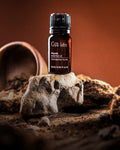

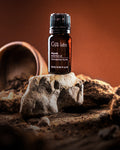
Cypress oil is good for creating fresh, grounding aromatherapy experiences and can be used in diffuser blends, personal fragrance, and properly diluted cosmetic routines. Its crisp, green, woody aroma pairs well with cedarwood, lavender, fir, citrus, and frankincense, making cypress essential oil a versatile choice for home fragrance and everyday self-care.
Cypress essential oil has one of those aromas that can instantly change the feel of a room. Crisp, green, woody, and slightly resinous, it reminds me of walking through an evergreen forest rather than opening a bottle of traditional perfume.
That's exactly why I think cypress is underrated.
When people build an essential oil collection, they usually reach for lavender, peppermint, or citrus oils first. Cypress often gets overlooked. But once you start experimenting with it, you quickly realize how versatile it can be.
In this guide, I'll walk through the practical cypress oil benefits, how I like to use cypress essential oil, what it smells like, how to pair it with other oils, and simple ways to bring its fresh character into your home.
Meet Cypress: Crisp & Woodsy
Cypress essential oil comes from the cypress tree, an evergreen known for its tall, slender shape and distinctive foliage. The oil has a clean, woody aroma with green, slightly earthy and resinous nuances.
To me, cypress smells like the outdoors after a cool morning.
It's not sweet like vanilla. It's not sharp like peppermint. And it isn't as heavy as some deeply resinous oils.
Instead, it sits somewhere in the middle, which makes it incredibly useful for blending.
That's one reason cypress essential oil uses extend across aromatherapy, personal care, and home fragrance.
I particularly like it when a blend needs a little more structure. If a recipe smells too sweet or too soft, cypress can bring in a greener, woodier character.
It also pairs beautifully with other oils that have an outdoorsy personality.
Think cedarwood, fir needle, pine, lavender, frankincense, or even a little citrus.
What Does Cypress Oil Smell Like?
If you've never smelled cypress before, imagine fresh-cut evergreen wood with a clean, green edge.
Its aroma is:
• Woody
• Green
• Fresh
• Slightly earthy
• Lightly resinous
• Crisp rather than sweet
That makes it a particularly useful option when you're searching for fresh smelling essential oils or trying to create an aroma that feels natural and outdoorsy.
Grounding Aroma for Calm
There are days when I don't want a room to smell floral, fruity, or overly sweet.
I want it to smell calm.
That's where cypress comes in.
Its fresh woody aroma works beautifully in evening diffuser blends, meditation spaces, reading corners, and quiet moments at home.
Cypress is also a natural fit alongside other grounding essential oils. Cedarwood, sandalwood, frankincense, vetiver, and patchouli can all create different interpretations of a grounded, earthy atmosphere.
My favorite part is that cypress doesn't make the blend feel too heavy.
For example, cedarwood alone can sometimes create a very deep woody aroma. Add cypress and the blend becomes greener and more open.
It's a small change, but it completely alters the character.
My Favorite Grounding Combination
Try:
• 3 drops cypress
• 2 drops cedarwood
• 1 drop lavender
The cypress gives the blend its fresh green character, cedarwood adds warmth, and lavender softens the overall aroma.
I like this combination in the evening when I want my space to feel peaceful without filling it with a sweet or floral scent.
Cypress Oil for Skin & Hair
One of the most interesting cypress essential oil uses is in cosmetic and grooming routines.
If you're wondering about cypress oil for skin, think of it as an aromatic addition to a properly formulated skincare or body care product rather than a standalone treatment.
Essential oils are highly concentrated, so cypress should always be appropriately diluted before topical use.
Adding Cypress to a Body Oil
A simple body oil can be a great place to start.
I like combining cypress with jojoba oil because the result feels lightweight and the neutral carrier allows the woody aroma to stand out.
Try a small blend with:
• 1 tablespoon jojoba oil
1 drop cypress essential oil
1 drop lavender essential oil
Mix thoroughly and apply a small amount to the body after patch testing.
The result is a clean, botanical aroma that doesn't smell like conventional perfume.
Cypress in Hair and Scalp Care
Cypress can also be incorporated into cosmetic hair and scalp formulations for its fresh aroma.
If you already have a favorite unscented carrier or hair oil, a properly diluted cypress blend can add a subtle forest-like character.
I would keep this kind of formula simple.
There is no need to throw five or six essential oils into one bottle.
One or two complementary oils are usually enough to create a pleasant aromatic experience.
Is Cypress Good for Oily Skin?
This is another question I see frequently.
Cypress is sometimes included in formulations designed for oily-looking skin, but it's important not to frame the oil as a treatment for an underlying skin condition.
If you're making a cosmetic blend, focus on its aroma and how the finished product feels on the skin.
And, as always, dilute it properly and patch test first.
Fresh-Home Diffuser Blends
This is probably where I use cypress most often.
A diffuser can completely change the personality of a room, and cypress is incredibly good at creating that fresh, outdoorsy atmosphere.
It's especially useful when you want something that smells seasonal without automatically smelling like pumpkin spice.
A Fresh Evergreen Blend
Try:
-
3 drops cypress
-
2 drops fir needle
-
1 drop orange
The cypress and fir create the evergreen foundation, while orange adds just enough brightness to keep the blend from feeling too dark.
This is one of my favorite choices when I want my home to smell like a cool forest rather than a bakery.
A Non-Sweet Fall Blend
If you're tired of cinnamon, vanilla, and sugary autumn fragrances, try:
-
3 drops cypress
-
2 drops cedarwood
-
1 drop frankincense
It's woody, earthy, and sophisticated without being sweet.
I especially like this combination in living rooms and home offices.
Kitchen vs Bedroom Blends
Different rooms call for different aromas.
For the kitchen, I favor cleaner combinations that keep the area clean and airy. Cypress blended with lemon, orange, or peppermint could be appropriate.
For the bedroom, I tend to blend softer smells. If you blend cypress with lavender or even cedarwood, it comes across a little softer.
The trick is not to make every room smell identical.
Give each space its own personality.
How to Use and Dilute Cypress Oil
If you're new to essential oils, dilution is one of the first things to understand.
Essential oils are concentrated aromatic extracts. You generally shouldn't apply them directly to your skin.
For a simple topical blend, dilute cypress essential oil in a carrier oil such as:
• Jojoba oil
• Coconut oil
• Sweet almond oil
• Fractionated coconut oil
A 1% dilution is a useful starting point for many general adult cosmetic applications. For example, that can mean approximately 1 drop of essential oil per teaspoon of carrier oil, although exact dilution should be adjusted according to the intended use and product guidance.
When making a larger batch, calculate the dilution rather than simply adding drops until the aroma "feels right."
I've made that mistake before.
It may smell fantastic, but stronger isn't automatically better.
How Many Drops Should I Use in a Diffuser?
Diffuser recommendations vary depending on the diffuser, room size, ventilation, and manufacturer's instructions.
As a general starting point, I prefer a small number of drops and then adjust if needed.
For a small bedroom, try 3 to 4 total drops.
For a larger living area, you may need around 5 to 6 total drops.
Always follow the diffuser manufacturer's instructions, particularly regarding maximum oil quantities and operating time.
Blends and Pairings
Cypress is one of those oils that gets along with almost everyone.
That's a big part of its appeal.
Cypress and Cedarwood
This is my favorite combination when I want something deeply woodsy.
Cedarwood adds warmth while cypress provides a fresher green edge.
Cypress and Lavender
Lavender softens cypress beautifully.
The result is calmer and more floral without losing the outdoorsy character.
Cypress and Citrus
Orange, lemon, grapefruit, and bergamot can brighten cypress.
This is a great direction for daytime diffuser blends.
Cypress and Fir Needle
If you want the ultimate evergreen aroma, try cypress and fir needle together.
It smells like stepping into a forest.
Cypress and Frankincense
Frankincense gives cypress more depth and creates a sophisticated resinous blend.
I particularly like this combination for quiet evening spaces.
Safety Notes
Before using cypress essential oil, here are a few precautions to keep in mind. First, never use this neat on the skin. Dilute it using an appropriate carrier oil, and keep recommended dilutions in mind.
Second, patch test a new topical blend before using it more broadly.
Third, keep essential oils away from your eyes and other sensitive areas.
Fourth, store bottles securely away from children and pets.
If you're pregnant, breastfeeding, taking medication, or managing a medical condition, speak with an appropriate healthcare professional before using essential oils, especially topically.
Are Cypress Diffuser Blends Pet-Friendly?
I wouldn't call an essential oil blend an automatic 'pet-friendly' blend. The way animals react to concentrated aromatic substances can vary and safety will depend on the species, particular animal, ventilation, concentration and exposure.
If you have pets, research the specific oil and species before diffusing and make sure the animal can leave the area.
When in doubt, skip diffusion around the animal and consult a veterinarian.
Can I Diffuse Cinnamon Safely?
Cinnamon has a wonderfully recognizable fall aroma, but it is a strong essential oil and requires extra care.
I wouldn't treat cinnamon as an everyday, unlimited diffuser oil.
Use only according to the product's specific safety guidance and diffuser manufacturer's instructions. If you're looking for a gentler fall atmosphere, cypress, cedarwood, fir, orange, and frankincense can create a seasonal aroma without relying on cinnamon.
Final Thoughts
Cypress needs a good, more serious look, in my opinion. It's one of the more mellow players in the entire essential oil family, which is exactly why I love it so much. Its clean, green notes can liven up a space without smelling unnatural; its woody notes blend well with grounding oils; and once diluted safely, it can even be part of your daily personal care regimen.
If you're building your essential oil collection, cypress is one of those bottles I'd add once you have the basics covered.
Start with a simple diffuser blend.
Try it with cedarwood.
Pair it with lavender.
Or brighten it with orange.
Once you discover how adaptable it is, you may find yourself reaching for that little bottle far more often than you expected.