


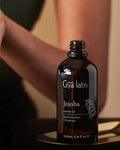

A drawer sachet is a small fabric pouch filled with a dry material and scented with a few drops of essential oil. Tuck one between sweaters, in a linen drawer, or in a storage box with seasonal clothing. It takes about five minutes to make and needs only three things.
When the seasons change, one of my least favorite jobs is opening a drawer and finding clothes that have been sitting untouched for months. Everything is clean, neatly folded, and ready to wear, yet somehow the drawer doesn't smell quite as fresh as it did when I put everything away.
That's where a simple DIY drawer sachet comes in.
For a seasonal closet swap, I especially like blends built around lavender, cedarwood, and vanilla. Lavender brings a familiar clean floral note, cedarwood adds a dry woody character, and vanilla makes the overall scent feel warmer and cozier.
Here's exactly how I make them, how to keep the scent fresh, and how to store them safely with seasonal clothes.
Why Sachets Work So Well for a Closet Swap
A closet sachet is really just a small fragrance accessory for enclosed spaces.
Unlike spraying perfume directly onto clothing, a sachet keeps the scented material contained inside a fabric pouch. That makes it convenient for drawers, wardrobes, storage bins, handbags, and other small spaces where you want a gentle aroma without adding another bottle or spray to your routine.
I find them particularly useful during a seasonal wardrobe change. When summer clothes are packed away and sweaters, jackets, and heavier fabrics come back into rotation, drawers can benefit from a little extra attention.
They're also incredibly easy to customize.
Want something fresh and airy? Try lavender with a bright citrus note.
Prefer something warmer? Cedarwood and vanilla create a cozy combination.
|
One thing a sachet is not A homemade sachet is a fragrance accessory, not a pest control product. Aromatic herbs and essential oils have a long history in stored clothing routines, but a sachet should not be relied on to protect anything from moths or other pests. For wool, cashmere and other delicate garments, proper cleaning, airtight storage and regular inspection are what actually matter. |
What You'll Need
You don't need much to make a sachet at home. Three things, and only one of them is an oil.
Filler
Choose a dry, absorbent material that can hold the fragrance. You can use:
• Dried lavender
• Unscented dried herbs
• Dried rice
• Baking soda for a less aromatic base
For a classic scented sachet DIY, I particularly like dried lavender because it already has a pleasant aroma and works beautifully with both floral and woody oils.
One thing worth knowing if you are buying dried lavender: what is sold as lavender is sometimes lavandin, a related plant with a sharper, more camphorous scent. Our guide to lavandin versus lavender explains the difference, and it is the reason two bags of dried buds can smell quite different.
Fabric
You'll need a small breathable fabric pouch.
Muslin, cotton, or another lightweight fabric works well. You can also repurpose small fabric scraps if you're comfortable sewing a simple pouch.
The important thing is that the material allows the aroma to escape gradually while keeping the filler contained.
Essential Oils
This is where you can make the sachet your own. For a seasonal closet swap my favorites are lavender, cedarwood and vanilla, with sweet orange for a citrus lift and a very small amount of peppermint if you want it brighter. All of them sit in the Essential Oil Singles collection, and the woodier ones in Essential Oils With Woodsy Fragrance.
If your goal is simply to keep clothes smelling fresh, choose oils based on the scent you enjoy rather than trying to create an overpowering fragrance.
|
Oil |
Aroma |
Best for |
Worth knowing |
|
Lavender |
Clean, familiar, floral |
Everyday drawers, linens, lighter fabrics |
The traditional choice, and it pairs with everything here |
|
Cedarwood |
Dry, woody, understated |
Sweaters and winter storage |
The least floral option if you dislike sweet scents |
|
Vanilla |
Warm, soft, sweet |
Winter clothing, cozy blends |
Thick and dark, so it is the most likely of these to mark fabric. Keep it well inside the pouch |
|
Sweet orange |
Bright, juicy citrus |
Lifting a lavender blend |
Citrus notes fade faster than woods, so expect to refresh sooner |
|
Peppermint |
Crisp, cool, minty |
A sharper, fresher profile |
Use sparingly. It overpowers a clothing blend easily |
How to Make Drawer Sachets
Making a drawer sachet takes only a few simple steps.
1. Fill your fabric pouch with your chosen dry filler. Do not pack it completely full. Leave enough room for the contents to move around slightly.
2. Add your essential oil drops to the filler, never directly onto clothing. Around 6 to 10 drops per cup of filler is a workable range.
3. Close the pouch securely and give it a gentle shake to distribute the aroma.
4. Let the sachet sit for a short while before it goes anywhere near clothes, so the oil has a chance to disperse into the filler.
5. Place it between folded clothes or toward the back of the drawer, out of reach of children and pets.
That's really all there is to it.
On quantity: dried lavender already carries its own scent so it needs fewer drops, while a neutral filler such as rice or baking soda needs more to be noticeable. Start at the lower end of the range and refresh later rather than saturating it on day one.
The beauty of learning how to make sachets is that once you have the basic method down, you can change the fragrance according to the season.
Two Blends to Start With
|
|
Fresh and Clean |
Warm and Cozy |
|
Oils |
3 to 6 drops lavender 1 to 2 drops sweet orange |
2 to 5 drops cedarwood 2 to 5 drops vanilla, or use cedarwood alone |
|
Filler |
1 cup dried lavender or another dry filler |
1 cup dried lavender or another dry filler |
|
Character |
Light, floral, a soft citrus lift |
Dry, woody, a little sweet |
|
Best for |
Everyday drawers, linens, lighter fabrics |
Stored sweaters and winter clothing |
|
Refresh |
Sooner. Citrus fades first |
Later. Woods hold longer |
Fresh and Clean Blend
For drawers that need a lighter, fresher aroma, lavender is my starting point.
• 3 to 6 drops lavender essential oil
• 1 to 2 drops sweet orange essential oil
• 1 cup dried lavender or another dry filler
Add the oils to the filler, mix gently, and place the mixture inside your fabric pouch.
Add the oils to the filler, mix gently, and place the mixture inside your fabric pouch.
The lavender gives the sachet its familiar floral character, while sweet orange adds a soft citrus note that keeps the blend from feeling too heavy. Gya Labs Lavender Essential Oil and Gya Labs Sweet Orange Essential Oil are the two I use for this one.
This is especially nice for everyday clothing drawers, linens, and lighter fabrics.
Warm and Cozy Blend
When I'm storing sweaters and winter clothing, I prefer something warmer.
• 2 to 5 drops cedarwood essential oil
• 2 to 5 drops vanilla, or simply use cedarwood on its own at the higher end of the range
• 1 cup dried lavender or another dry filler
Cedarwood brings a dry, woody aroma while vanilla adds a soft sweetness. Gya Labs Cedarwood Essential Oil is steam distilled from the wood of Juniperus virginiana and Cedrus atlantica, sourced from Virginia and the Atlas Mountains, and that dry woodiness is exactly what makes it work in a closet rather than smelling like perfume.
Together, they create the kind of scent I associate with freshly organized winter clothing, warm blankets, and a closet that's ready for the colder months. Cedarwood alone gets you most of the way there if you would rather keep it to one oil.
This is also a good option if you prefer closet freshener essential oils with a less floral character.
Keeping Stored Clothes Fresh
A sachet is only one part of keeping seasonal clothing smelling fresh.
Before packing away summer clothes, I always make sure everything is completely clean and dry. Even a small amount of moisture trapped in folded fabric can make storage less pleasant.
Here are a few habits that make a noticeable difference:
• Wash or clean clothes before storage. Don't pack away garments after wearing them, even if they look clean.
• Let everything dry completely. This is especially important before using storage boxes or garment bags.
• Avoid overcrowding. Clothes need some breathing room, and overstuffed drawers can make them harder to access and air out.
• Clean the drawer or wardrobe first. Wipe down empty storage spaces before replacing your seasonal clothes.
• Use breathable storage when appropriate. For fabrics that benefit from airflow, breathable cotton storage bags can be a useful option.
• Add a sachet after the clothes are stored. This keeps the fragrance accessory separate from the fabric itself.
These simple steps are more useful than trying to cover up stale storage smells with a very strong fragrance.
How to Use Sachets Around Your Home
Once you've made one sachet, you'll probably find plenty of places to use them. I like them in:
• Sweater drawers
• Linen cabinets
• Wardrobes
• Storage boxes
• Handbags
• Shoe cabinets
• Guest room drawers
You can also make smaller ones for shoes and handbags. If you do, keep the pouch from resting directly against the material. Fine leather and suede in particular can react to oils, so sit the sachet on a cloth or inside a second bag rather than against the lining.
The same applies to the drawer itself. Essential oils can mark finished wood, paint and some plastics, so keep the sachet on top of a cloth or a folded garment rather than directly on a bare drawer base.
If you're making several sachets at once, label the blends. After a few weeks, it can be surprisingly difficult to remember which pouch contains which fragrance.
Refreshing and Storing Your Sachets
Even the best scented sachet DIY eventually starts to fade.
That's completely normal. Essential oils are aromatic materials, and their scent gradually becomes less noticeable over time.
When your sachet starts smelling faint, don't immediately add more oil while it's sitting in a drawer with clothes.
Instead, remove the sachet and open it in a clean workspace. Add a small number of fresh drops to the filler and mix thoroughly. Give it time to absorb before returning it to storage.
I prefer refreshing gradually rather than adding a large amount at once. More fragrance isn't necessarily better, particularly in enclosed spaces.
If the filler becomes damp, oily, discolored, or otherwise unsuitable, replace it rather than continuing to add essential oil.
How Long Do Drawer Sachets Last?
The lifespan depends on the filler, fabric, oil, storage conditions, and how strong you want the aroma to be.
As a practical starting point, check your sachets every few weeks. You may notice the scent fading sooner in warmer areas or in places with more airflow, and citrus notes will always go before the woods do.
Rather than following a strict expiration date, use your nose and inspect the pouch regularly. If the scent has faded significantly, refresh the filler or make a new sachet.
A Note About Fabric Safety
One thing I never recommend is dropping essential oil directly onto sweaters or other stored clothing.
Essential oils are concentrated and may leave marks, particularly on delicate or light colored fabrics. Thick, dark materials such as vanilla are the most likely of the oils here to mark something.
Keep the scented material inside the sachet and avoid placing freshly saturated filler directly against clothing. When trying a new blend, test the setup away from valuable garments first.
How Many Sachets Should You Use?
You don't need one in every corner of your closet.
For a standard drawer, one small sachet is usually a reasonable place to start. If you're working with a larger wardrobe, storage box, or cabinet, you can adjust based on the size of the space and how noticeable you want the aroma to be.
I prefer starting with fewer sachets and adding another only if needed. A subtle scent usually feels fresher than a drawer that's overwhelmingly perfumed.
A Few Safety Notes
Sachets are about as low risk as essential oil projects get, but a few things are worth keeping in mind.
• Keep sachets and essential oil bottles out of reach of children and pets. A small fabric pouch of scented filler is easy for a curious child or animal to chew, and neither the filler nor the oils are meant to be swallowed.
• Be especially careful with sachets in shoe cabinets and low drawers, which are at pet level.
• Do not take essential oils internally, and do not use sachet filler anywhere near food or food storage.
• Add oils to the filler in a clean workspace, not over your clothes, and wash your hands afterwards before touching your face.
• Keep oils away from your eyes, and rinse with plenty of water if any gets in.
• Essential oils can mark finished wood, paint and some plastics, so keep the sachet off bare drawer bases.
• Cats can be more sensitive to some aromatic compounds than people are. If a sachet is going somewhere a cat sleeps or sits, keep the scent light and speak to your vet if you are unsure.
• Replace the filler rather than topping it up indefinitely if it becomes damp, oily or discoloured.
Which Oils Smell Best in Drawer Sachets?
This really comes down to personal preference, and the table further up compares all five side by side. But there are a few combinations I return to repeatedly.
Lavender is traditional if you love a simple and familiar smell.
Cedarwood is ideal when you prefer something dry, woody, and understated.
Vanilla adds warmth and sweetness, making it particularly nice for winter clothing.
Sweet orange gives a bright citrus character that works well with lavender and other lighter oils.
Peppermint has a crisp, refreshing aroma, although I would use it sparingly if you're creating a blend for clothes. Gya Labs Peppermint Essential Oil is potent enough that one drop changes a whole pouch.
For me, cedarwood and vanilla are the standout combination for sweaters. There's something about that warm, woodsy scent that makes opening a winter clothing drawer feel a little more inviting.
Final Thoughts
A seasonal closet swap doesn't have to mean opening a drawer to stale storage smells or buying another collection of heavily scented products.
A few minutes, some dried filler, a breathable fabric pouch, and your favorite essential oils are enough to create a simple DIY drawer sachet.
I like it because it makes a routine job feel like something rather than nothing. Lavender and citrus for light, everyday items. Cedarwood and vanilla for winter sweaters and heavier fabrics.
And once you learn how to make sachets, you're not limited to your drawers. The same basic idea can work in wardrobes, storage boxes, bags, and other small spaces around the home. There is more on using oils around the house in our home and lifestyle uses guide.
Keep the fragrance subtle, keep the oils contained, and let the sachet complement your storage routine rather than replace the basics of clean, dry, properly stored clothing.