


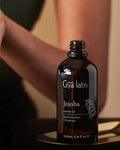

The best fall diffuser blends combine warm, woody, spicy, or citrusy oils such as cinnamon, orange, cedarwood, clove, and frankincense. For kitchens, choose bright and lightly spiced blends; for living rooms, use warm woodsy combinations; and for bedrooms, keep the aroma soft with oils such as cedarwood, lavender, or frankincense.
As soon as September arrives, I start wanting my home to smell like fall. Not necessarily like an overwhelming pumpkin candle, either. I want something warmer, woodier, and a little spiced, with enough freshness to keep the whole room feeling inviting.
That's where fall diffuser blends come in.
I've found that the same aroma doesn't necessarily work equally well throughout the house. A bright citrus and spice blend can feel wonderful in the kitchen, while a softer woodsy combination makes much more sense in the bedroom. The living room sits somewhere in between, where warm and inviting usually wins.
So instead of giving you one long list of diffuser blends for fall, I'm breaking them down by room. You'll find easy autumn diffuser recipes, suggested drop counts, ideas for creating a longer lasting fall home scent, and practical safety tips along the way.
Scenting Your Home Room by Room
One of my favorite things about seasonal aromatherapy is that you don't have to make every room smell exactly the same.
Think of your home as a collection of different moods.
The kitchen can smell bright and freshly spiced. The living room can have that cozy, gathered-around-the-sofa feeling. The bedroom can be softer and quieter.
When I put together fall diffuser recipes, I usually start by asking what I want the room to feel like rather than simply grabbing every oil associated with autumn.
A good fall scent doesn't have to smell like a bakery.
You can create the season with citrus, woods, herbs, resins, and spices without turning your home into a cinnamon scented dessert.
Kitchen: Bright and Spiced
The kitchen is where I like my fall aromas to be the liveliest.
After all, this is where food is being prepared, so I don't want an aroma that's too heavy or perfume-like. Bright citrus oils work especially well here because they can make a space feel fresh, while a small amount of spice adds that unmistakable autumn character.
Orange is one of my first choices. Its sweet citrus aroma immediately gives a room a cheerful quality, and it pairs beautifully with cinnamon or clove when you want something more seasonal.
For more citrus blending ideas that work well beyond fall, our citrus essential oil blends guide covers a range of combinations worth exploring.
One of my favorite combinations is:
Kitchen Harvest Blend
The result is warm and spiced without becoming overwhelmingly sweet.
If you prefer something lighter, try:
Citrus Orchard Blend
- 3 drops Orange
- 2 drops Cedarwood
- 1 drop Cinnamon
The cedarwood gives the citrus a little more depth, which keeps the blend from smelling like straight orange candy.
When I'm cooking something savory, I prefer the second blend because it feels more balanced.
And if you're wondering what oils smell like fall in a diffuser, orange, cinnamon, clove, cedarwood, and frankincense are excellent starting points for creating that seasonal atmosphere.
Living Room: Warm and Inviting
The living room is where I want the classic cozy feeling.
This is the room where people gather, so I usually choose the best fall diffuser blends that are warm enough to feel seasonal but not so strong that they dominate the space.
Cedarwood is one of my favorites here. Its dry, woody aroma gives the blend a grounded character and works particularly well with orange and frankincense.
For a deeper look at how frankincense works in aromatic blends and rituals, our frankincense guide covers its aromatic character in detail.
Try:
Cozy Fireside Blend
- 3 drops Cedarwood
- 2 drops Orange
- 1 drops Frankincense
It's warm without being overly sweet.
Another option is:
Autumn Woods Blend
- 3 drops Cedarwood
- 2 drops Frankincense
- 1 drop Orange
I use this type of blend when I want the room to feel cozy but not obviously “pumpkin spice.”
That's an important distinction.
Not everyone wants their home to smell like a seasonal coffee shop.
Sometimes you want a fall without the sugar.
Bedroom: Soft and Restful
The bedroom calls for a completely different approach.
I don't want strong spice aromas here. Cinnamon and clove may be perfect for a kitchen, but I find softer combinations much more appropriate for a bedroom.
This is where lavender can complement traditional autumn oils beautifully.
Try:
Soft Autumn Evening
- 3 drops Lavender
- 2 drops Cedarwood
- 1 drop Frankincense
The lavender keeps the blend soft, while cedarwood and frankincense bring in the warmth associated with fall.
If you prefer a more woodsy aroma, try:
Quiet Autumn Woods
- 3 drops Cedarwood
- 2 drops Frankincense
- 1 drop Lavender
This is one of the autumn diffuser recipes I'd choose when I want the bedroom to smell seasonal without making it smell like a spice cabinet.
Drop Counts by Room Size
One thing I wouldn't recommend is treating diffuser drop counts as a universal formula.
Room size, diffuser capacity, ventilation, and personal scent preference all make a difference.
As a practical starting point:
|
Room size |
Starting amount |
|
Small room (up to 100 sq ft) |
3 to 4 drops |
|
Medium room (100 to 200 sq ft) |
4 to 6 drops |
|
Large room (200 to 400 sq ft) |
6 to 8 drops |
Always follow the instructions for your specific diffuser first.
I prefer starting with fewer drops and adding more only if needed. It's much easier to increase the aroma than to walk into a room and realize you've created an accidental essential oil cloud.
If you're new to fall diffuser blends, start on the lower end of the range. You'll quickly learn how your diffuser performs in your particular space.
Diffusing Safely Around Pets and Kids
This is the section I never skip.
A blend that smells wonderful to you isn't automatically appropriate for every member of your household.
If you have children or pets, check the safety guidance for each essential oil before diffusing. Pets can be particularly sensitive to aromatic compounds, and recommendations can vary depending on the animal, species, age, health status, and environment.
For households with pets, I recommend being especially cautious rather than assuming that a blend is automatically pet friendly.
There isn't one universal list of pet friendly fall diffuser blends that applies to every animal.
If you have a cat, dog, bird, or another companion animal, speak with your veterinarian about which oils, if any, are appropriate for your home.
When diffusing around children, keep the diffuser out of reach and follow age-appropriate safety guidance.
Ventilation matters too.
I don't believe in filling an entire house with a strong aroma all day. Shorter diffusion periods and fresh airflow are a much more sensible approach.
Can I Diffuse Cinnamon Safely?
Cinnamon is one of the quintessential fall aromas, but it is also an oil that deserves extra care.
Cinnamon essential oil is highly concentrated and can be irritating when used improperly.
That's why I use it sparingly in diffuser blends and never assume that because an oil is natural, more of it is better.
For topical use, cinnamon essential oil requires appropriate dilution and additional safety consideration.
For diffusion, follow your diffuser manufacturer's instructions and the specific safety information provided for your cinnamon oil.
If you're looking for a similar warm seasonal character without making cinnamon the star, try building your blend around orange and cedarwood instead.
Make the Scent Last
One of the most common questions I get about seasonal blends is how to make them last longer.
My first tip is simple:
Don't keep adding drops.
More essential oil doesn't necessarily mean a better or longer lasting aroma.
Try examining your blends. Light citrus notes fade faster than deeper oils. Mixing lighter scents like citrus with darker oils such as wood or frankincense helps. For instance, rather than just orange, blend with:
• Orange
• Cedarwood
• Frankincense
The citrus gives you that immediate brightness, while the deeper aromas help round out the overall blend.
Diffuser placement matters too.
A diffuser placed in a very large, open space may not produce the same noticeable aroma as one used in a smaller room.
I also recommend cleaning your diffuser regularly. Residue from previous blends can affect how your next fall diffuser recipe smells.
Essential oils are volatile. The aroma will naturally change and fade over time. The goal isn't to make a room smell intensely scented for twelve hours.
The goal is to create a pleasant seasonal atmosphere while you're actually using the space.
What's a Good Non-Sweet Fall Blend?
If pumpkin spice and sugary orange aren't your thing, you're definitely not alone.
Personally, I love a fall blend that leans toward woods and resin instead of dessert.
Try:
Woodland Fall Blend
- 3 drops Cedarwood
- 2 drops Frankincense
- Tea Tree
The tea tree adds a clean, herbal lift without being too sharp.
As an alternative, try:
Dry Autumn Woods
- 3 drops Cedarwood
- Sandalwood
- 1 drop Frankincense
This is the blend I'd reach for in a study, reading nook, or living room when I want an intensely autumn scent that isn't too sweet.
For me, these are some of the most interesting fall diffuser blends because they capture the season without relying on the usual dessert inspired scents.
Which Gya Labs Oils Are Best for Fall?
If you're building a fall collection from scratch, you don't need every autumn inspired oil available. I'd start with versatile oils that can work across multiple recipes. Explore the earthy and woodsy collection for a curated starting point.
Orange is useful for bright citrus blends.
Cedarwood provides the woody foundation that makes a blend feel warmer.
Cinnamon brings unmistakable seasonal spice, although it should be used thoughtfully.
Frankincense adds depth and a resinous character.
Clove can create a rich, spicy accent when used sparingly.
With those few oils, you can create everything from a bright kitchen blend to a deep autumn woods aroma.
And that's what I like most about seasonal blending: you don't need a cabinet full of bottles to make your home feel completely different.
Final Takeaway
Autumn doesn't have to smell the same throughout every room. That's one of my favourite things about making seasonal diffuser blends. I can do uplifting citrus in the kitchen, grounding woodsy in the living room, and subtle and calming in the bedroom.
Once you understand how different oils contribute to a blend, creating your own fall diffuser recipes becomes much less intimidating.
Start with a few versatile oils. Experiment with the proportions. Keep the blends simple. And most importantly, don't feel like your home needs to smell like cinnamon just because the calendar says autumn.
Sometimes the best fall home scent is simply the one that makes you want to stay home a little longer.