



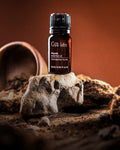

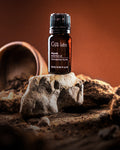
Think about your skin type, what type of texture you like and how you intend to use the oil when selecting carrier oil for skin. Those with oily or combination skin often go for lighter oils like jojoba and grapeseed, whereas people with dry skin usually prefer richer options such as avocado and coconut. The best carrier oil for face depends on how quickly it gets absorbed, how it feels on your skin, and how well it fits into your daily skincare routine.
What Is a Carrier Oil?
If you’re wondering what is carrier oil, it is a plant-based oil used to dilute essential oils and make them safe for topical application. Carrier oils are also used on their own as part of skincare routines because they help moisturize and support skin balance.
When people ask what are carrier oils, they are referring to oils like jojoba, almond, coconut, and argan that are commonly used as a base oil for skin.
What Is a Carrier Oil Used for in Skincare?
A carrier oil for skin is commonly used to:
- dilute essential oils before applying to skin
- moisturize and nourish skin
- improve texture and softness
- support massage and facial routines
This is why carrier oils for skin are widely used in both basic and advanced skincare routines.
Types of Carrier Oils and How They Differ
There are many types of carrier oils, and each works differently depending on your skin type.
Lightweight oils
- absorb quickly
- suitable for oily or acne-prone skin
Medium-weight oils
- balanced hydration
- suitable for normal or combination skin
Heavy oils
- deeply moisturizing
- suitable for dry or mature skin
The information helps you select the best carrier oil which meets your specific requirements.
Carrier Oils for Different Skin Types
Choosing the right carrier oils skin routine depends on your skin type.
1. Best Carrier Oil for Oily Skin
For oily skin, lightweight oils are preferred.
Good options include:
- jojoba oil
- grapeseed oil
These are considered good carrier oils for skin that absorb quickly without feeling heavy.
2. Best Carrier Oil for Dry Skin
For dry skin, richer oils are often used.
Examples include:
- coconut oil
- avocado oil
- almond oil
All these oils provide great moisture and are great options for those whose skin is dry as a result it's considered as the best carrier oil for face.
3. Best Carrier Oil for Sensitive Skin
For sensitive skin, gentle oils are preferred.
Examples include:
- chamomile-infused oil
- calendula oil
- jojoba oil
These are often included in good carrier oils for skin for delicate routines.
4. Best Carrier Oil for Combination Skin
Balanced oils work best.
Examples include:
- argan oil
- rosehip oil
These help maintain balance without over-moisturizing.
Common Carrier Oils and Their Benefits
Here is a simple look at popular carrier oils and how they are commonly used in skincare.
Jojoba Oil
Jojoba oil is lightweight and absorbs easily. It is often used for oily, combination, and sensitive skin because it does not feel too heavy.
Best for: oily skin, combination skin, sensitive skin
Texture: light
Use: daily facial oil, massage oil, essential oil dilution
Sweet Almond Oil
Sweet almond oil has a smooth, soft feel on the skin. It is often chosen for dry or normal skin because it helps the skin feel moisturized without being too thick.
Best for: dry skin, normal skin, body care
Texture: medium
Use: facial massage, body oil, dry patches
Coconut Oil
Coconut oil has a rich texture and is better suited for dry areas or body care. It may feel too heavy for oily or acne-prone facial skin.
Best for: dry skin, body care, rough areas
Texture: heavy
Use: body oil, dry elbows, knees, or hands
Argan Oil
Argan oil has a balanced texture and is often used for smoother-looking skin. It works well for normal, combination, and dry skin types.
Best for: combination skin, dry skin, dull-looking skin
Texture: medium
Use: facial oil, night routine, skin-softening blends
Rosehip Oil
Rosehip oil has a light to medium texture and is often used in face oils. It is commonly chosen for mature-looking skin or uneven-looking texture.
Best for: mature-looking skin, uneven-looking skin texture
Texture: light to medium
Use: night-time facial oil, lightweight skincare blends
Grapeseed Oil
Grapeseed oil is light and fast-absorbing. It is often preferred by people who do not like a heavy or greasy feel.
Best for: oily skin, combination skin
Texture: light
Use: light facial oil, massage blends
Avocado Oil
Avocado oil is rich and nourishing. It is better suited for dry, rough, or mature-looking skin.
Best for: very dry skin, mature-looking skin
Texture: heavy
Use: night-time blends, dry areas, body care
How Essential Oils Work with Carrier Oils
Skincare products combine essential oils with their respective carrier oils. The calming properties of lavender essential oil (Lavandula angustifolia) are achieved through its combination with jojoba oil while tea tree essential oil (Melaleuca alternifolia) functions best with lighter carrier oils used for cleansing purposes.
If you want a deeper understanding of how these oils differ, you can explore the difference between essential oils and carrier oils to see how they work together in skincare routines.
Quick Comparison of Carrier Oils for Skin
|
Carrier Oil |
Best For |
Texture |
Skin Type |
|
Jojoba Oil |
Balance |
Lightweight |
Oily / Sensitive |
|
Grapeseed Oil |
Quick absorption |
Lightweight |
Oily |
|
Sweet Almond Oil |
Softening |
Medium |
Dry / Normal |
|
Coconut Oil |
Deep hydration |
Heavy |
Dry |
|
Argan Oil |
Smooth texture |
Medium |
Combination |
|
Rosehip Oil |
Skin appearance |
Light-medium |
Mature |
|
Avocado Oil |
Intense moisture |
Heavy |
Very dry |
How to Choose the Best Carrier Oil for Face
If you’re wondering which carrier oil is best for facial use, consider:
1. Skin Type
First understand your skin. Whether it's oily skin, dry skin, or combination skin. Your skin type should determine your product selection.
2. Absorption
Light oils absorb into the skin rapidly while heavy oils need more time to stay on the skin.
3. Routine
The daily routine requires people to use lighter oils, but treatment applications need them to use richer oils.
Can Carrier Oils Help Improve Skin Texture?
Many people ask:
Can carrier oils help improve skin texture?
Carrier oils are often used to:
- keep skin hydrated
- improve smoothness
- support overall appearance
They work best when used consistently.
Are Carrier Oils Safe for Daily Use?
Yes, carrier oils are commonly used daily.
However:
- use small amounts
- choose oils suitable for your skin
- patch test before use
This ensures safe and effective use of carrier oils for skin.
What Makes a Carrier Oil Non-Comedogenic?
A non-comedogenic oil is less likely to clog pores.
Lightweight oils like:
- jojoba oil
- grapeseed oil
are often preferred for acne-prone skin.
Gya Labs Oils You Can Explore
Start with Jojoba Oil if you are looking for a lightweight option that absorbs easily and works well for oily or sensitive skin types.
If your focus is on hydration and softness, especially for dry skin, Sweet Almond Oil or Coconut Oil can be used as part of a richer skincare routine.
For a balanced routine that works across different skin types, Argan Oil is often used to maintain smoothness without feeling too heavy.
If your goal is to improve overall skin texture and maintain a more refined appearance, Rosehip Oil can be included in your daily or night-time routine.
You can choose and rotate these oils based on your skin type and preference. You can also explore these options within Gya Labs’ carrier oils collection to build a consistent skincare routine.
Tips for Using Carrier Oils Effectively
- The process begins with small quantities.
- The selection of oils should be based on the particular skin type.
- The product requires permanent usage.
- The user should refrain from using multiple oils simultaneously because it leads to excessive mixing.
Final Takeaway
Begin your daily skincare routine with jojoba oil because it serves as an ideal lightweight starting product. Your skin will benefit from deeper hydration through the use of almond oil and coconut oil. You should add argan oil and rosehip oil to your skincare routine according to your skin type because this combination will provide you with a more advanced skincare solution.