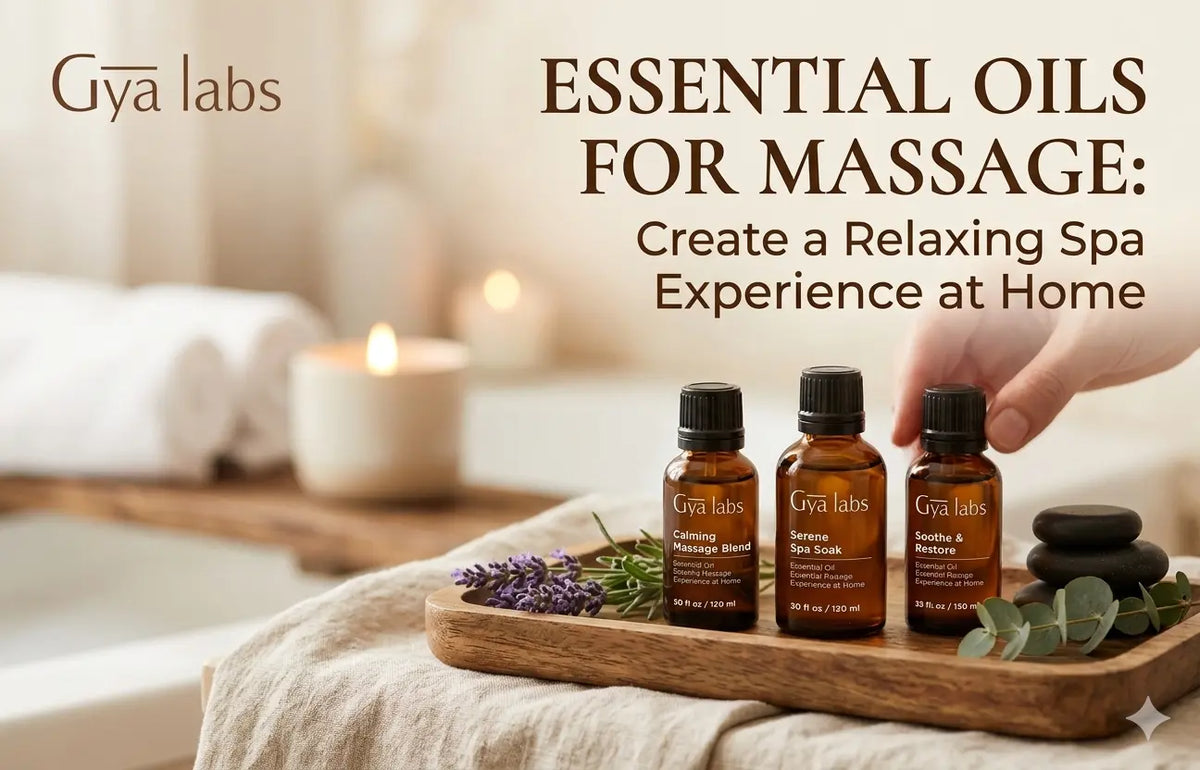



Essential oils can be used safely at home when they are properly diluted, used in small amounts, and applied using the right methods such as diffusing, topical application, or simple home blends.
While many people explore aromatherapy for relaxation and home fragrance, understanding essential oil safety is important to avoid irritation, overuse, or improper application. With the right approach, essential oils can be a simple and effective part of your daily routine.
What Are Essential Oils and How Are They Used?
Essential oils are concentrated plant extracts commonly used in aromatherapy essential oils routines to create a pleasant environment, support relaxation, and improve daily habits.
People explore essential oils and their uses in many ways:
- home fragrance
- relaxation routines
- cleaning practices
- personal care
Knowing how do you use essential oils properly helps avoid misuse.
Are Essential Oils Safe to Use at Home?
Essential oils are generally safe when:
- used in small quantities
- diluted before skin application
- used in well-ventilated spaces
- not ingested
This is the foundation of essential oil safety.
How to Use Essential Oils Safely
If you’re asking how to use essential oils safely, follow these basic principles:
1. Always Dilute Before Skin Use
Essential oils exist as concentrated substances which people typically combine with carrier oils such as jojoba and coconut oil.
2. Use the Right Amount
Having more does not necessarily mean it is better. Typically, just a few drops will suffice.
3. Avoid Direct Contact with Sensitive Areas
People should stay away from using oils on their eyes and sensitive skin areas.
4. Perform a Patch Test
Test on a small area before full use.
Common Ways to Use Essential Oils at Home
Understanding ways to use essential oils helps you choose the right method.
1. Diffuser Method
One of the most popular ways is learning how to use essential oil diffuser setups.
- add water
- add 3–5 drops of oil
- the diffuser should be used for a duration between 20 to 30 minutes
Many people ask: are essential oil diffusers safe?
Yes, when used in moderation and with ventilation.
2. Topical Application
- mix with carrier oil
- apply to wrists, neck, or skin
This is part of how to use aromatherapy oils safely.
3. Room Sprays
You can also create essential oils for home scents using DIY sprays.
For example, creating refreshing sprays using peppermint oil is a simple way to maintain a clean space, and you can explore more ideas in DIY peppermint oil room sprays for freshening your space naturally.
4. Steam or Inhalation
- add a drop to warm water
- inhale gently
5. Cleaning and Home Use
- add oils to cleaning water
- use for freshening surfaces
Essential Oils Commonly Used at Home
People choose lavender essential oil (Lavandula angustifolia) and lemon essential oil (Citrus limonum) because these oils provide home users with a balanced scent that they can use for multiple purposes. People use peppermint essential oils (Mentha piperita) because they create a refreshing effect, while eucalyptus oil (Eucalyptus globulus) is used in routines that aim to establish a clean and spacious atmosphere. People use tea tree oil (Melaleuca alternifolia) in their home care routines because it produces a powerful and clean aroma.
These are among the most commonly used essential oils and their uses in everyday routines.
Quick Comparison of Essential Oil Usage Methods
|
Method |
Best For |
How to Use |
Safety Tip |
|
Diffuser |
Home fragrance |
3–5 drops in water |
Use in intervals |
|
Topical |
Personal care |
Dilute with carrier oil |
Patch test first |
|
Spray |
Room freshness |
Mix with water |
Shake before use |
|
Inhalation |
Quick relief |
Add to warm water |
Avoid strong exposure |
|
Cleaning |
Home care |
Add to water |
Use small amounts |
How to Use Essential Oils Without a Diffuser
If you’re wondering
how to use essential oils without diffuser, try:
- applying diluted oil to wrists
- adding to a bowl of warm water
- using DIY sprays
- placing a drop on cotton or fabric
What Is the Correct Carrier Oil Ratio?
General guideline
- 1–2 drops essential oil
- 1 tablespoon carrier oil
This ensures safe how to use essential oils practices.
Where Do You Apply Essential Oils?
Common areas include:
- wrists
- neck
- temples
- chest
Always dilute before applying.
Can You Drink Essential Oils?
Short answer: No
Essential oils are not typically consumed unless guided by a qualified professional.
What Can You Put in a Diffuser Besides Oil?
Usually:
- water
- essential oils
Avoid adding anything else unless recommended.
Gya Labs Oils You Can Explore
Start with Lavender Essential Oil if your goal is to create a calm and relaxing environment, especially in the evening when you want to unwind after a long day.
If you want a fresh and clean atmosphere in your home, particularly during the day, Lemon Essential Oil or other citrus oils can help create a light and uplifting space.
For moments when you need a refreshing boost or improved focus, Peppermint Essential Oil can be used in short diffuser sessions to support alertness.
When you want to maintain a clean and airy environment, especially in shared spaces, Eucalyptus Essential Oil is often used as part of daily home routines.
You can rotate these oils depending on your needs and time of day. You can also explore these options within Gya Labs’ essential oils collection to build a safe and consistent home routine.
Tips for Using Essential Oils Safely at Home
- use small quantities
- store oils properly
- keep away from children and pets
- avoid overuse
- follow dilution rules
Expert Tip:
Aromatherapy practitioners recommend starting with low concentrations and observing how your body responds. Different oils have different strengths, so using gentle oils like lavender or chamomile is often a safer starting point for beginners.
Final Takeaway
Using essential oils at home can be simple and effective when you focus on safety first. Start with small amounts, choose gentle oils, and use methods like diffusing or diluted application to create a balanced routine.
By keeping your approach minimal and consistent, you can enjoy the benefits of essential oils while maintaining a safe and comfortable environment.