


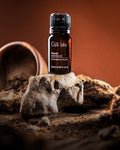
To host an essential oil scent sampling party, choose 6–8 different essential oils, prepare a separate labeled blotter for each scent, and arrange them by aroma family. Guide guests through brief sampling sessions, provide scent-note cards, and add games such as a blind smell test. Keep the room ventilated, take breaks between samples, and let guests explore each aroma at their own pace.
Looking for a fresh idea for your next get-together? Host a scent sampling evening where friends can explore interesting aromas, play guessing games, and discover their personal fragrance preferences. With essential oil blotters, a thoughtfully chosen selection of oils, and a few simple activities, you can turn an ordinary evening into a memorable sensory experience.
-
You don't need to be a perfume expert to host one. With a little preparation, you can create a relaxed gathering that welcomes beginners and fragrance enthusiasts alike.
What Is a Scent-Sampling Evening?
A scent-sampling evening is a lighthearted event in which guests sample, compare, and make observations about various fragrances. Rather than an actual meal or traditional game night, you host a mini-essence discovery in your home with essential oils and scent strips (blotters).
Think of it as a perfume party with a hands-on twist. Guests can compare citrusy, floral, herbal, and woody aromas, record their first impressions, and take part in activities such as a blind smell test or a scent-matching challenge.
This gathering is different from a traditional perfume workshop-there's no need for specialist skills, costly equipment or complex fragrance-making methods. It's simply about being aware of what you love and sharing the things you find.
You can do an essential oil tasting birthday party, a girls night, a seasonal event, or just a creative afternoon with friends and family at home. Keep in mind, a casual atmosphere, a relaxed pace, and respect for your guests' different fragrance preferences are all important elements of this fun gathering.
What You'll Need for an Essential Oil Scent Sampling Party
A few essentials are all you need to have a fabulous scent sampling evening. Get your supplies ready so you can just relax and enjoy!
Essential Oil Blotters and Oils
Blotters are thin strips of absorbent paper used to taste fragrances. They allow visitors to fragrance their noses with a scent without actually putting smelling oils on their skin.
Decide upon approximately six to eight oils for your first event. This is more of a guideline than a hard and fast rule. Less oils makes it easier to compare them all and gives some opportunity for chatting and games.
Experiment with various scent families:
-
Citrus: Mandarin or sweet orange for a fresh, fruity character.
-
Floral: A hint of lavender or geranium.
-
Herbal: Peppermint or rosemary for a fresh, green feel.
-
Woody: Cedarwood for a warm, woodsy aroma.
-
Resinous: Frankincense for a distinctive, deeper aromatic profile.
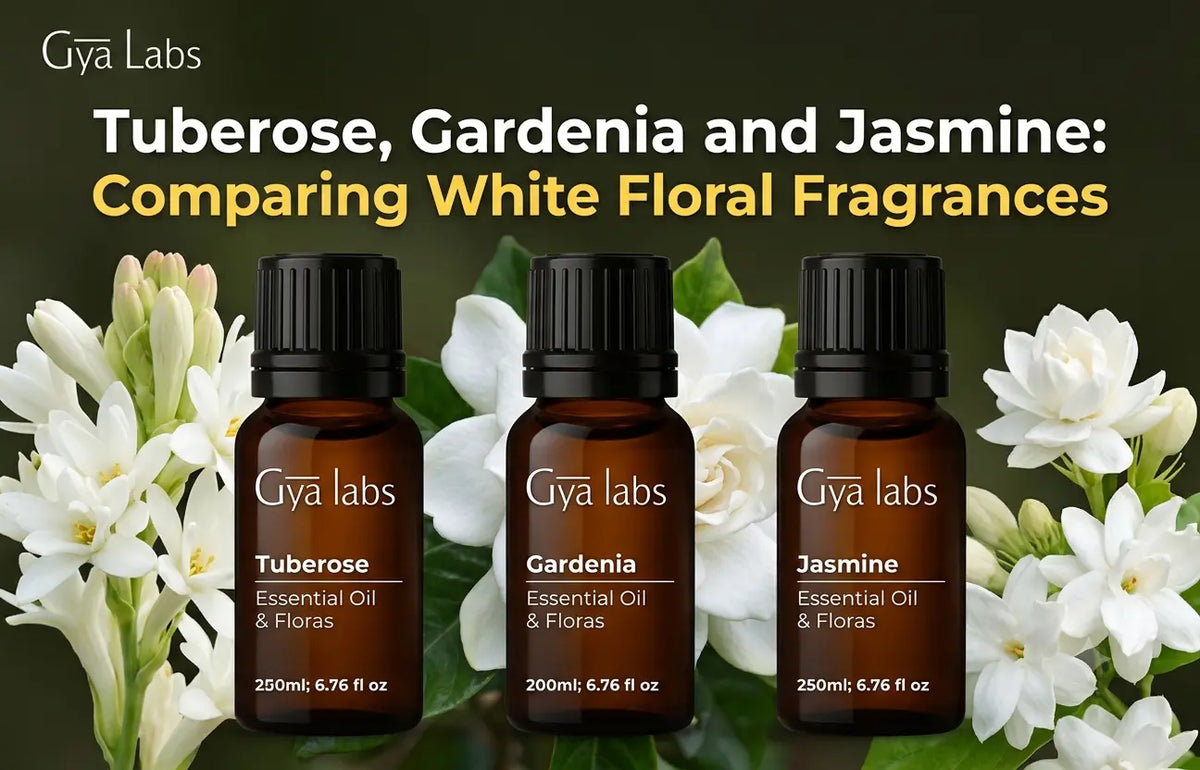
Explore the Gya Labs All Scents collection to browse different aromas and plan a balanced lineup. You can also use the essential oil singles collection to select individual oils for comparison.
Labels, Scent Cards, and Pens
Prepare small notecards, small label strips and pens, and scent note cards. Make it possible for each guest to log what they smell, which notes they notice, and if they would buy that fragrance again.
For a blind smell test, use numbered labels instead of displaying oil names. Keep a separate answer key for the host.
Optional Decorations and Refreshments
A few small trays, table linens in a neutral color, flowers, and handwritten cards are nice touches for the sampling station. Water and other light refreshments are nice for breaks in between activities.
Do not place food and drinks near the oils and blotters to prevent accidental touching or conflict with the aromas. Do not use heavily perfumed candles or room sprays, or use a diffuser in the room during the tasting, as these can interfere with the samples.
How to Set Up Your Scent Sampling Evening
Making sampling easy, structured and fun. Here are some steps on how to prepare your space.
1. Choose a Comfortable, Well-Ventilated Room
Set up in a clean room with good ventilation. Avoid areas filled with cooking smells, scented cleaning products, or other strong fragrances.
Arrange chairs around a table or create a sampling station where guests can move comfortably between activities. Keep essential oil bottles closed when they aren't being used.
2. Select a Balanced Range of Scents
Choose oils with noticeably different aromatic profiles instead of filling the lineup with several similar citrus or floral options.
For example, Gya Labs Mandarin Essential Oil offers a sweet, delicate citrus aroma, while Cedarwood Essential Oil has a warm, woody, balsamic profile.
These two contrasting options can help guests begin noticing how different scent families create different impressions. Add a few floral, herbal, or resinous choices to round out the selection.
For more ideas, explore 30+ best-smelling essential oils and shortlist the aromas that suit your theme.
3. Prepare and Label the Blotters
Prepare the blotters before the event to avoid handling too many open bottles while guests are sampling.
-
Write the oil name or sample code on the dry end of each blotter.
-
Apply a small amount of the selected oil to the opposite end, following the product's directions.
-
Keep each strip separate so the samples don't touch one another.
-
Place the prepared blotters in individual holders or trays.
-
For blind tests, cover the oil names and use numbered codes instead.
Use a separate strip for every oil. Never dip a used blotter into an essential oil bottle, and avoid letting the wet end touch hands, table surfaces, or other samples.
4. Give Every Guest a Scent Scorecard
A simple scorecard keeps it fun. Add columns for the sample number, first impression, scores you know, the one you love, and the overall.
Ask guests to make their own descriptions of how things smell. Something may be bright and juicy to one person while appearing sweet and soft to someone else. A personal scent impression need not have one correct answer.
5. Follow a Simple Event Schedule
For a two-hour gathering, try this flexible plan:
-
First 15 minutes: Greet guests and talk about how the tastings work.
-
Next 20 minutes: Discover these initial groups of aromas.
-
Next 10 minutes: Take a break.
-
Next 20 minutes: Compare another group of scents.
-
Next 15 minutes: Play a scent game.
-
Next 10 minutes: Take another break.
-
Next 20 minutes: Explore the final group of aromas.
-
Last 10 minutes: Share favorites and wrap up.
Adjust the schedule to suit your guests. You can shorten the event by sampling fewer oils or choosing just one game.
How to Guide Guests Through the Scent Sampling
You don't need advanced perfumery knowledge to guide a fragrance activity. Start with simple observations and let guests develop their own vocabulary.
Introduce Scent Families
Fragrance families can help you narrow down your scents.
-
Citrus: Lively, tart, fruity, or a bit tangy.
-
Floral: Petal, sweet, powdery.
-
Herbal: Green and leafy, fresh, aromatic.
-
Woody: Earthy, dry, warm, or similar to a wooded scent.
-
Resinous: Balsamic, rich, or similar to the smell of tree resins.
These descriptions are prompts, not rigid categories. An oil can have more than one aromatic characteristic, and different people may interpret the same scent differently.
For additional ingredient information, direct curious guests to the Gya Labs ingredient library.
Show Guests How to Use Scent Strips
Demonstrate the process with one sample before starting the first scent flight.
-
Hold the dry end of the blotter.
-
Bring the scented end up to your nose, at a close but comfortable distance.
-
Take a light, quick sniff rather than a deep inhale.
-
When you notice the initial impression, write it down before you talk to someone about the aroma.
-
Perform a side-by-side comparison of your description to the scent family or ingredient information post-sampling.
Encourage guests to move on when they are ready. There is no need to keep smelling a sample if it feels too strong or becomes difficult to distinguish.
Encourage Personal Scent Notes
Ask guests to record three things for each sample: their first impression, the characteristics they notice, and whether they like it.
You could prompt them with questions such as:
-
Does this smell fresh, sweet, floral, woody, or spicy?
-
Does this bring to mind a location, a time of year, an ingredient, or a memory?
-
Would you like this aroma to be enjoyed with or without other scents?
-
Which word best describes the overall impression?
If guests want to explore fragrance blending after the party, share the guide to creating your own signature perfume with essential oils. Be sure to keep this activity separate from the perfume tasting so guests can experience each scent on its own.
Fun Scent Games and Themes
Adult fragrance games bring the fun to the night. Select games that allow for some discovery without testing the ability of your guests to name each and every oil.
1. Guess the Scent: A Perfume Blind Smell Test
What you'll need: Numbered blotters, a selection of oils, scorecards, and an answer key.
Prepare several coded samples and ask guests to write down what they think each one smells like. They can guess the oil, identify a scent family, or choose from a list of possible answers.
Reveal the answers at the end and invite everyone to share what surprised them. Give out a small prize for the most guessed correct, most creative description or closest match to the scent family.
2. Match the Aroma to the Description
Write descriptive words on cards, such as citrusy, floral, fresh, woody, or resinous. Guests sample a coded blotter and match it to the description they think fits best.
This is a good beginner activity because participants don't need to know specific essential oil names. They simply compare what they smell with the words on the cards.
3. Create a Scent Story
Ask each guest to select one flavor they like and tell what image that smell inspires. It may be a garden, a walk in the woods, a sunny day, a quiet room, or any other thing.
Guests can share their stories or write a short description on their scent cards. This activity turns fragrance exploration into a conversation about individual associations.
4. Choose a Scent-Themed Party
Themed decorations will make the set up look more put together.
-
Citrus soirée: Feature bright, fruity aromas and yellow or orange decorations.
-
Botanical garden: Focus on floral and herbal profiles with greenery and natural textures.
-
Cozy woodland: Explore woody and resinous aromas with earthy colors and simple decor.
-
Signature scent night: Invite guests to identify their favorite aroma and sketch out a fragrance concept.
You can also turn the event into an essential oil gift party by providing small scent journals, labeled blotters, or personalized favorite-aroma cards. If you plan to give away oils, keep products in their original, labeled packaging and include their usage instructions.
Hosting Tips: Nose Fatigue, Ventilation, and Safety
A low key scent sampling evening should never be one that is fatiguing. With a few intelligent decisions, it's possible to create a relaxed environment for your guests to browse.
Keep the number of samples manageable. Six to eight oils is a useful starting range for a first event. You can always organize another gathering with a different selection.
Take breaks between scent flights. Give guests time away from the sampling table, preferably in fresh air. If someone finds an aroma overwhelming, let them skip it rather than encouraging repeated smelling.
Keep the room ventilated. Avoid continuously diffusing oils or burning scented candles during the event. The purpose is to evaluate individual samples, so keep other fragrances to a minimum.
Avoid direct skin application. Essential oils are concentrated products. For this activity, use blotters as intended and keep the oils away from skin, eyes, and food. Do not taste the oils or add them to drinks.
Make participation optional. Let guests know in advance that essential oils will be used. People who are sensitive to fragrances should feel comfortable sitting out any sample or leaving the activity.
Store oils carefully. Caps on bottles should be tightly secured when not in use and out of reach of children and pets, away from heat sources and open flames. Read and adhere to any safety warnings on the label.
A good host does not make this a competitive experience; it should be a welcoming one. You're here to learn about each other, get to know each other's taste, and have fun on a creative night.
Make Your Next Gathering a Scent Discovery
You don't need special equipment or fragrance expertise to host an essential oil scent sampling party. Select a good range of oils, print off some labeled blotters, introduce your guests to several scent families, and include a few games for a fun night.
Most importantly, go slow. With a few supplies and a little creativity, a night of scent sampling can be a relaxing way to enjoy aromas, discover new favorites and get inspired for your next experiment.