



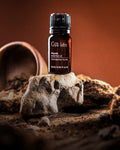

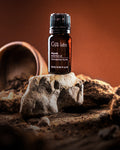
Rosehip oil is a lightweight botanical oil commonly used in skincare to moisturize, soften, and nourish the skin while supporting a smooth, radiant-looking complexion. It can be applied directly to the face as a carrier oil or incorporated into a simple daily skincare routine.
If your skincare shelf is already crowded with serums, creams, and oils, adding another bottle might not sound necessary. But sometimes, the simplest ingredients are the ones I keep reaching for.
Rosehip oil is one of them.
This light-weight botanical oil is made from the seeds of rosehips and has become a skincare favorite because of its smooth texture and naturally conditioning touch. I particularly find it great on days when my skin would benefit from some additional softness without feeling weighed down by an oil.
The appeal isn't complicated. Rosehip oil for skin can be used as a simple facial oil, blended into a personalized skincare routine, or layered over other skincare products when you want your complexion to feel soft, conditioned, and comfortable.
And while rosehip oil has become especially popular in conversations about glowing skin, I think its versatility is what makes it worth exploring.
Why Rosehip Oil Is a Skincare Favorite
Rosehip oil is a botanical carrier oil with a naturally lightweight texture. It can be applied directly to the skin or incorporated into a broader skincare routine.
Rosehip oil is commonly used to moisturize, soften, and nourish the skin while supporting a smooth, healthy-looking appearance.
That makes it particularly appealing if you prefer uncomplicated skincare. You don't need a complicated routine to enjoy it. A few drops can be enough to give your skin a softer, more conditioned feel.
Another reason I like rosehip seed oil is how easily it fits into different routines. You can use it on its own, combine it with other carrier oils, or use it as part of a nighttime facial massage.
Its naturally silky texture also makes it a comfortable choice for people who enjoy facial oils but don't want something that feels excessively rich.
Rosehip Oil Benefits for Skin
When talking about rosehip oil benefits, it's important to keep the focus on what you can actually experience from a cosmetic and sensory perspective.
For a Soft, Nourished-Looking Complexion
One of the simplest ways to use rosehip oil is as a moisturizing step in your skincare routine.
After cleansing, I like applying a few drops to slightly damp skin and gently pressing the oil across my face. It leaves the skin feeling conditioned and soft without requiring several additional products.
Regular use can make your skincare routine feel more nourishing, particularly when your skin is feeling dry or simply needs some extra comfort.
The lightweight texture also makes rosehip oil easy to layer with other products. Depending on your routine, you can apply it after water-based skincare or use it on its own as the final moisturizing step.
For a Smooth, Radiant-Looking Appearance
There's a reason botanical oils are often associated with a healthy-looking glow.
When skin is properly moisturized and conditioned, it can naturally look smoother and more luminous. Rosehip oil can contribute to that fresh, nourished appearance by helping the skin feel soft and moisturized.
If you're searching for face oils for a healthy-looking glow, rosehip oil is an easy option to consider.
I find that the best approach is not to overdo it. You don't need to cover your face in oil to get that comfortable, dewy finish. A few drops are usually enough.
Rosehip Oil for Face
Rosehip oil can be particularly easy to incorporate into a facial skincare routine because of its lightweight feel.
After cleansing, apply a few drops to your fingertips and gently massage or press the oil onto your face. Pay attention to areas that tend to feel drier, while avoiding the eye area if the product directions recommend doing so.
You can also use rosehip oil as part of a relaxing evening facial massage. The oil provides enough slip for gentle massage while leaving the skin feeling conditioned afterward.
For anyone who prefers a minimalist routine, this can be one of the easiest ways to introduce botanical oil into daily skincare.
How to Use Rosehip Oil
Using rosehip oil doesn't need to be complicated.
Start with clean skin and apply a few drops to your fingertips. Gently massage the oil over your face until it feels comfortably absorbed.
You can use it:
-
On its own as a facial oil
-
After your usual water-based skincare
-
As part of an evening facial massage
-
Mixed with another suitable carrier oil
-
As part of a personalized skincare routine
The amount you need depends on your skin and how you like your products to feel. I recommend starting with a small amount rather than applying too much at once.
Can You Use Rosehip Oil Every Day?
Rosehip oil can be incorporated into a regular skincare routine if your skin responds well to it.
Some people prefer using it in the evening because it fits naturally into a slower nighttime routine. Others enjoy using a small amount during the day as part of their regular skincare.
If you're using it in the morning, continue with your usual sunscreen as the final step of your daytime skincare routine.
Rosehip Oil Dilution
One useful thing to know about rosehip oil is that it is already a carrier oil.
That means it doesn't need to be diluted before applying it to the skin in the same way that essential oils do. You can use rosehip oil directly as directed.
If you're combining it with essential oils, however, the essential oils should be properly diluted in the carrier oil according to the intended use.
This distinction is important because carrier oils and essential oils serve different purposes in aromatherapy and skincare.
Who Should Patch Test
Even though rosehip oil is a botanical skincare ingredient, everyone's skin is different.
If you're trying it for the first time, patch testing is a sensible step. Apply a small amount to a limited area of skin and observe how your skin responds before using it more widely.
I also recommend introducing one new skincare ingredient at a time. That makes it easier to understand how your skin responds rather than adding several new products simultaneously.
If irritation or discomfort occurs, discontinue use.
And as with any skincare product, follow the directions provided with the specific product you're using.
Storage & Freshness
Like many botanical oils, rosehip oil benefits from thoughtful storage.
Keep the bottle tightly closed and store it somewhere cool and dry, away from direct sunlight and excessive heat.
I also avoid leaving facial oils sitting next to a sunny window or in a warm bathroom. Consistent exposure to heat and light can affect the freshness of botanical oils over time.
A simple storage routine is usually enough:
-
Replace the cap tightly after using each time.
-
Keep out of direct sunlight.
-
Avoid high temperatures.
-
Use clean, dry hands or utensils when handling the product.
-
Storage recommendations for the product.
Taking care of the bottle helps you get the most out of your rosehip oil while maintaining its freshness.
Final Thoughts
I think the best skincare routines are the ones you can actually stick with.
Rosehip oil doesn't need to be part of a complicated ten-step routine. A few drops can be enough to add a nourishing, comfortable step to your skincare ritual, whether you're using it on its own or alongside your favorite products.
From its lightweight texture to its naturally softening feel, rosehip oil for skin is a simple botanical option for anyone who enjoys uncomplicated skincare and a healthy-looking glow.
Start small, pay attention to how your skin responds, and let your routine stay simple.


