



Hair naturally becomes finer and can appear less full with age. A five minute scalp massage with 1 drop each of properly diluted rosemary and peppermint in a tablespoon of carrier oil can support the look and feel of well groomed, fuller looking strands. It does not regrow hair or reverse natural hair changes.
As we get older, hair can start to feel different. Strands that once felt thick and substantial may seem finer, drier, or less dense, and even a familiar hairstyle can begin to sit differently.
I've noticed that the way hair looks isn't always about how much product you use. Sometimes, a simple grooming ritual can make the whole experience feel more intentional. For me, that means taking a few extra minutes to massage the scalp with a lightweight oil blend rather than rushing through my routine.
This is where a simple scalp massage earns its place in a mature hair routine. It is a few minutes to pay attention to your scalp, work in a little oil, and enjoy the feel of the massage itself. With the right oils and realistic expectations, you can support the look of fuller looking hair without turning your routine into a complicated project.
How Hair Changes With Age
Hair naturally changes over time, and those changes can affect both its texture and appearance.
Individual strands may gradually feel finer, while hair can also appear less voluminous than it once did. You may notice more dryness, changes in texture, or that your usual styling techniques no longer create quite the same amount of body.
This doesn't mean your hair care routine needs to become complicated.
In fact, I've found that mature looking hair often benefits from going back to basics: gentle cleansing, conditioning, careful styling, and a consistent scalp care ritual.
The scalp massage is the easiest of those to introduce, because it does not involve an entire product list. A few drops of an appropriate carrier oil, or a properly diluted essential oil blend, and you have a relaxing addition to your grooming routine.
The goal here isn't to promise new hair growth. Instead, we're focusing on creating a routine that supports the appearance of fuller looking strands while making scalp care feel enjoyable.
Oils to Support the Look of Fullness
When choosing an oil for mature looking hair, I like to think about the overall experience rather than searching for one miracle ingredient.
Rosemary, castor, and peppermint each bring something different to a hair care routine. All three sit in the Hair and Scalp Care collection , and the carrier oils have their own Carrier Oils collection.
Rosemary
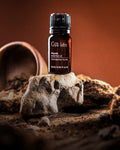
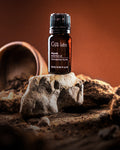
Rosemary is the aroma I reach for most in a hair routine, because it is refreshing and herbal without being sweet. Gya Labs Rosemary Essential Oil is steam distilled from the leaves and flowering tops of Rosmarinus officinalis, and it reads as culinary and clean rather than perfumed, which is part of why it suits a pre wash massage.
It sits well alongside a carrier oil, and I like it when I want the routine to feel deliberate without leaving a scent that lingers all day.
If you're exploring rosemary for hair, remember that essential oil should always be diluted before applying it to the scalp.
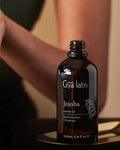
A simple carrier oil such as Gya Labs Organic Jojoba Oil or fractionated coconut oil can provide the base, while a small amount of rosemary essential oil adds its characteristic herbal scent.
One caution before you use it on your scalp: rosemary is generally avoided during pregnancy and around young children, and anyone with a seizure disorder or high blood pressure should check with a healthcare professional first. If that applies to you, use a plain carrier oil and skip the essential oils entirely. The massage is still worth doing.
Castor Oil
Castor oil has a naturally rich, thick texture, which makes it different from lighter oils. Gya Labs USDA Organic Castor Oil is cold pressed, and that thickness is the whole character of it.
For mature looking hair, I prefer using it as part of a blend rather than applying a large amount directly to the scalp. Mixing a little castor oil with a lighter carrier oil makes the consistency easier to spread during a massage.
It's also useful when you're looking for a hair oil for older hair that feels nourishing and conditioning on the strands.
The trick is moderation. More oil doesn't necessarily mean a better routine. A small amount distributed evenly is usually easier to manage and wash out, and that matters more with castor than with any other oil here: used heavily it can take two rounds of shampoo to remove.
Peppermint
Peppermint essential oil brings a completely different sensory experience. Gya Labs Peppermint Essential Oil is steam distilled from the leaves of Mentha piperita, and the menthol that gives it that crisp, minty aroma is also what makes a scalp massage feel especially refreshing. That is one reason I like including it in morning or post workout grooming rituals.
It's important not to confuse a refreshing sensation with a medical effect. Peppermint essential oil is concentrated and should always be properly diluted before topical use.
Two practical points for the scalp specifically. Keep it away from your eyes, since a scalp blend can run down the forehead once your hair is damp, and rinse with plenty of water if any does get in. And peppermint is not appropriate for infants or young children, so it does not belong in a blend you would use on them.
For a simple blend, you can combine a carrier oil with a small amount of peppermint and use it for a short scalp massage.
Which Oil Should You Choose?
You don't need all three.
|
|
Rosemary |
Castor |
Peppermint |
|
What it is |
Essential oil |
Carrier oil |
Essential oil |
|
Botanical |
Rosmarinus officinalis, leaves and tops |
Cold pressed castor seed |
Mentha piperita, leaves |
|
Role in the blend |
Aroma and character |
Richness and slip |
Aroma and a cool sensation |
|
Choose it when |
You want a fresh, herbal ritual |
You want a richer, more substantial feel |
You want a crisp, cooling aroma |
|
How much |
1 drop per tablespoon of carrier |
A small part of the carrier, not all of it |
1 drop per tablespoon of carrier |
|
Watch out for |
Avoid in pregnancy and around young children. Check with a professional for seizure disorders or high blood pressure |
Hard to wash out if you use a lot |
Keep away from the eyes. Not for infants or young children |
If you prefer a fresh herbal ritual, rosemary is a natural starting point. If you want a richer carrier oil experience, castor oil can be blended with something lighter. If you enjoy a crisp, cooling aroma, peppermint may be the one you reach for.
You can also combine them, provided each essential oil is used at an appropriate dilution.
The Scalp Massage Routine
The best scalp massage for hair is one you'll actually repeat.
You don't need special equipment, complicated techniques, or a half hour routine. I prefer keeping it simple and spending about five minutes working through the scalp with my fingertips.
What You'll Need
For a simple pre shampoo scalp massage, use:
• 1 tablespoon (15ml) of a lightweight carrier oil such as jojoba or fractionated coconut
• 1 drop rosemary essential oil
• 1 drop peppermint essential oil
That works out to roughly 0.7 percent, which is a conservative level for scalp skin. Do not add more drops to make it feel stronger.
If you want a richer, thicker blend rather than a stronger one, replace a small part of the carrier oil with castor oil. The essential oil drops stay the same.
Mix the oils in your palm or a small clean container immediately before use.
Before the first time you use a new blend, patch test it. Apply a small amount behind the ear or on the inner forearm, leave it for 24 hours, and check that your skin is comfortable with it. Mature skin can be thinner and more reactive than it used to be, so this step is worth the wait.
Technique and Pressure
Start with dry or slightly damp hair, depending on what works best for your routine.
Part your hair loosely with your fingers and place a small amount of the diluted oil onto your fingertips. Begin at the front of the scalp and gradually work toward the crown and sides.
Use the pads of your fingertips rather than your fingernails.
Make small, slow circular movements while keeping the pressure comfortable. There's no need to scrub or press aggressively. A gentle, consistent touch is enough to turn this into a relaxing ritual.
I like to spend about 30 to 60 seconds on each area before moving on. If you have longer hair, don't worry about coating every strand. The focus is the scalp.
Once you've finished, leave the oil on for your preferred amount of time before washing as usual.
The scalp massage benefits aren't about forcing a result. For me, the biggest advantage is that it creates a moment to slow down and pay attention to my grooming routine.
How Often
You don't have to massage your scalp every day.
Start with once or twice a week and see how your scalp and hair respond. If the routine feels comfortable and fits easily into your schedule, you can continue consistently.
Consistency matters more than turning it into another daily obligation.
If your scalp starts feeling overly oily, weighed down, or uncomfortable, reduce the amount of oil or frequency.
Realistic Expectations
This is the part I think is most important.
|
What this routine can do |
What it cannot do |
|
Help hair feel conditioned and softer |
Regrow hair |
|
Support the look of well groomed, fuller looking strands |
Reverse age related hair changes |
|
Make scalp care a pleasant, repeatable habit |
Change the number or thickness of your follicles |
|
Give you a few minutes of a slower, deliberate routine |
Replace advice from a dermatologist |
An oil routine can help make hair feel conditioned and can support the overall appearance of well groomed, fuller looking strands. A scalp massage can also become a relaxing addition to your personal care routine.
But essential oils and carrier oils should not be presented as a way to regrow hair or reverse age related hair changes.
Hair appearance can vary considerably from person to person. Styling, hydration, strand texture, haircut, lighting, and even how recently you've washed your hair can influence how full it looks on a particular day.
So rather than asking, "How quickly will this grow my hair?" I prefer a more realistic question:
"Does this routine help my hair and scalp feel cared for and make my hair look its best?"
That's a goal you can actually build a sustainable routine around.
When to See a Pro
A change in hair appearance doesn't always have a simple grooming explanation.
If you notice a sudden or significant change in your hair, persistent scalp concerns, unusual shedding, or anything that worries you, speak with a dermatologist or another qualified professional. Do not wait for a grooming routine to sort it out.
A professional can help you understand what's happening and whether you need a more specific approach.
Your at home oil routine can remain part of your personal care habits, but it shouldn't replace professional guidance when something seems unusual or concerning.
A Few Safety Notes
• Always dilute essential oils in a carrier oil before they touch your scalp. For a scalp blend, 1 drop per tablespoon of carrier oil per essential oil is a conservative level.
• Patch test a new blend behind the ear or on the inner forearm and wait 24 hours before using it across the scalp.
• Keep oils away from your eyes, and rinse with plenty of water if any gets in. A scalp blend can run down the forehead once hair is damp.
• Rosemary is generally avoided during pregnancy and around young children. Anyone with a seizure disorder or high blood pressure should check with a healthcare professional first.
• Peppermint is not appropriate for infants or young children.
• Do not apply a blend to a scalp that is broken, irritated, sunburned or freshly treated with prescription products.
• Stop using a blend if it causes itching, redness, stinging or discomfort.
• Do not take essential oils internally.
• Keep essential oils out of reach of children and pets.
• If you are pregnant or nursing, take medication, use prescription scalp treatments, or have a diagnosed scalp or skin condition, check with a qualified healthcare professional before adding essential oils to your routine.
Final Thoughts
A mature hair routine doesn't have to be complicated. The routines that last are usually the ones with a few quiet minutes built into them, where nothing else is competing for your attention. A little oil, gentle fingers, five minutes, and the routine becomes time for yourself.
If you're looking for oils for mature looking hair, choose one or two you actually like rather than buying a shelf of them. Rosemary is herbaceous and clean, peppermint is crisp and cooling, and castor oil adds substance to a carrier blend. There is more on getting the ratios right in our step by step guide to diluting essential oils, and our jojoba oil for hair guide covers the carrier side in more detail.
More to the point, stay realistic about what this is. You're caring for the scalp, conditioning the hair, and supporting the look of fuller looking strands. You are not reversing natural hair changes, and no oil will.
That's what makes this routine worth keeping: it's simple, practical, and easy to make your own.