



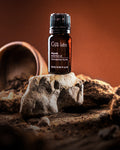

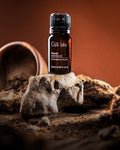
Pine and cedarwood essential oils both bring forest aromas to home fragrance, but they have distinct scent profiles. Pine needle essential oil has a crisp, green, evergreen character, while cedarwood essential oil offers a warmer, drier, woodsy aroma. If you’re choosing between pine for a fresh, just aired scent and cedarwood for a cozy evening atmosphere, the right option depends on the fragrance you want to create.
Quick Answer: Pine needle oil is distilled from needles and smells crisp, green, and fresh, like a walk through an evergreen forest. Cedarwood oil is distilled from the wood and smells warm, dry, and woody. Pine is a lighter note that fades faster; cedarwood is a base note that lingers. They blend well, usually with more pine than cedarwood.
Pine vs Cedarwood Essential Oil at a Glance
|
|
Pine Needle Essential Oil |
Cedarwood Essential Oil |
|
Distilled from |
Needles and twigs |
Wood (chips and sawdust) |
|
Aroma |
Crisp, green, evergreen |
Warm, dry, woody |
|
Fragrance impression |
Fresh forest air |
Warm timber |
|
Note position |
Top to middle: fades faster |
Base: lingers longest |
|
Blending role |
Adds a fresh green lift |
Adds woody depth and holds a blend together |
|
Best for |
Fresh, outdoorsy rooms |
Warm, comfortable rooms |
|
Can they be blended? |
Yes |
Yes |
The exact aroma varies with the plant species, where it was grown, and how it was distilled.
How Do Pine and Cedarwood Essential Oils Smell?
Understanding the difference between needle and wood aromas makes it easier to choose an oil for your preferred fragrance.
Pine Needle Essential Oil: Crisp, Green and Fresh
Pine needle essential oil has a fresh, evergreen aroma that brings to mind pine needles, wooded trails, and cool forest air. Its green, slightly balsamic character makes it a natural fit for blends built around an outdoors fragrance.
Gya Labs Pine Needle Essential Oil is steam distilled from the needles of Scots pine (Pinus sylvestris), sourced from Austria, Russia, and Scandinavia. Its brightness comes from compounds called monoterpenes. Published research on Scots pine needle oil found alpha pinene at 7 to 16% and delta 3 carene at 5 to 14%. These are light, quick to evaporate molecules, which is why pine smells sharp and fresh at first and fades sooner.
Pine works well when you want a fragrance to feel open and fresh. It pairs naturally with citrus, herbs, and other woods.
Cedarwood Essential Oil: Warm, Dry and Woody
Cedarwood essential oil is a classic woody scent: dry, warm, and balsamic, with a soft sweetness. Where pine is green and leafy, cedarwood smells of the wood itself, like a cedar chest or freshly sanded timber.
Its main compounds are sesquiterpenes, which are heavier, slower to evaporate molecules. In Atlas cedarwood, beta himachalene alone makes up about half the oil. That’s why cedarwood lingers long after brighter notes fade, and why it often anchors a blend.
Cedarwood complements citrus and floral oils, and also works well with other woods and earthy aromas. It’s useful when a blend needs a warmer, less green direction.
Not all cedarwood oils are the same
“Cedarwood” covers oils from several different trees, and they smell different:
|
Oil |
Tree |
Aroma |
|
Atlas cedarwood |
Cedrus atlantica, a true cedar from Morocco |
Warm, sweet, slightly balsamic |
|
Virginian cedarwood |
Juniperus virginiana, the eastern red cedar, actually a juniper |
Dry, clean, pencil shavings |
Here’s a fact most comparisons miss: Atlas cedar is a true cedar, and true cedars belong to the pine family. So Atlas cedarwood is more closely related to pine than Virginian “cedarwood” is. Check the botanical name on the label so you know which one you’re buying.
Pine vs Cedarwood: Which Is Better for Different Spaces?
Neither oil is better in every situation. The choice depends on whether you want a fresh, outdoorsy feel or a warmer woody one.
Pine for a Fresh, Just Aired Scent
If you enjoy the smell of a freshly aired room or a forest walk, pine may be the better choice. Its green, evergreen aroma can make a space smell crisp and outdoorsy.
Try pine in:
• Entryways and living areas where you want a fresh fragrance
• Diffuser blends with citrus or herbal notes
• Blends inspired by evergreen forests and the holidays
A fresh pine aroma is not the same as cleaning. Essential oil fragrance doesn’t mean a surface has been cleaned, sanitized, or disinfected. Use household cleaning products for that.
Cedarwood for a Cozy Evening Atmosphere
Cedarwood may suit you better if you prefer warm, woodsy aromas over bright green ones. It fits an evening routine when you dim the lights and settle into a comfortable room, or a quieter reading corner.
Many people enjoy cedarwood as part of a wind down routine. It’s a scent choice, not a sleep treatment. For a closer look at its aroma, read what does cedarwood smell like.
Using Both for a Balanced Forest Aroma
You don’t have to choose. Pine and cedarwood complement each other well, combining green freshness with woody depth.
Because pine fades faster and cedarwood lingers, start with more pine than cedarwood, roughly 2 to 1. Pine leads at first, and cedarwood carries the scent as it settles. Add a drop of citrus if you want a brighter opening. Both oils sit in the woody family; our guide to essential oil scent families explains how families and notes blend.
Best Blending Partners for Pine and Cedarwood
|
Pine pairs well with |
Why |
Cedarwood pairs well with |
Why |
|
Lemon |
Bright citrus with crisp evergreen |
Sweet orange |
Citrus sweetness with woody warmth |
|
Eucalyptus |
Fresh and green |
Lavender |
Floral with an earthy base |
|
Lavender |
Evergreen with soft floral |
Frankincense |
Woody and resinous |
|
Cedarwood |
Green needles with woody depth |
Pine |
Wood and needles, like a forest |
These pairings describe how the oils smell together, not how they will make you feel.
You can compare individual aromas in the Gya Labs Essential Oil Singles collection or browse All Scents.
Pine and Cedarwood Diffuser Blend Ideas
Each blend below uses 5 or 6 drops, which suits most home ultrasonic diffusers. Run your diffuser for 30 to 60 minutes, then turn it off.
1. Fresh Forest Blend
• 3 drops pine needle essential oil
• 2 drops lemon essential oil
• 1 drop cedarwood essential oil
Pine gives a green, evergreen scent, lemon adds a zing of citrus, and cedarwood finishes with a woody note.
2. Cozy Woodland Blend
• 3 drops cedarwood essential oil
• 2 drops lavender essential oil
• 1 drop frankincense essential oil
The woody aroma of cedarwood is softened by floral lavender and the resinous scent of frankincense. A good choice if you prefer a warmer scent in the evening.
3. Pine and Cedarwood Forest Blend
• 2 drops pine needle essential oil
• 2 drops cedarwood essential oil
• 1 drop sweet orange essential oil
Pine and cedarwood balance evergreen freshness with woody warmth. Sweet orange adds a fruity citrus note that softens the blend.
These are scent ideas, not tested formulas. Adjust one drop at a time. For more combinations, see our diffuser blend recipes.
Can You Substitute Pine for Cedarwood Essential Oil?
Sometimes, in a simple diffuser blend, but the result will smell different.
Swapping cedarwood for pine makes a blend greener and lighter, and it will fade faster. Swapping pine for cedarwood makes it warmer, heavier, and longer lasting.
Substitute one drop at a time, let the blend diffuse for a few minutes, then adjust. Don’t assume the two oils are equally strong.
For skin products, follow a recipe written for skin use, and keep essential oils to 1 to 2% of the blend, about 6 to 12 drops in 30 ml (1 oz) of carrier oil. Never use diffuser ratios directly on skin.
Pine vs Cedarwood: How to Choose
Choose Pine Needle Essential Oil If You Prefer:
• A crisp, green, evergreen aroma
• A fresh, outdoorsy home fragrance
• Blends with citrus and herbal notes
• A scent that brings to mind pine needles and forest air
Choose Cedarwood Essential Oil If You Prefer:
• A warm, dry, woodsy aroma
• Woody blends with depth and a soft balsamic character
• Combinations with floral, citrus, and resinous oils
• A cozy fragrance for a quieter evening
If you enjoy both, keep both. Use pine when you want the evergreen note to stand out, and cedarwood when you want the woodsy character to lead.
Storage: Pine Fades Faster Than Cedarwood
The same light compounds that make pine smell fresh also make it age faster. Pine oil, like citrus, oxidizes once it’s exposed to air, and oxidized oils are more likely to irritate skin. Cedarwood, made mostly of heavier compounds, keeps much longer.
• Keep both tightly capped, in a cool, dark place.
• Use pine within about a year of opening.
• If pine starts to smell flat, sharp, or turpentine like, don’t use it on skin.
Safety Considerations
• Always dilute for skin use. Keep to 1 to 2% for body products and patch test first on your inner forearm, waiting 24 hours.
• Diffuse in short sessions. 30 to 60 minutes, then off, in a ventilated room. Stop if the scent bothers anyone.
• Pets: Pine oil is unsafe for both cats and dogs. Don’t diffuse it in rooms where pets spend time, and always leave a door open so pets can leave.
• Children: Keep oils and diffusers out of reach.
• Pregnancy or health conditions: Check with a healthcare provider before use.
Our essential oil safety and dilution guide has more detail.
Final Thoughts
The simplest difference between pine and cedarwood essential oil is the aroma. Pine has a fresh, green, forest aroma, and cedarwood has a warm, dry, woody one. Pine opens bright and fades sooner; cedarwood settles in and stays.
For a fresh, outdoorsy room, reach for pine. For a warm, cozy one, reach for cedarwood. And if you can’t decide, blend them, with a little more pine than cedarwood.