


A sage spray is a simple herbal mist used to refresh the atmosphere of a room, linens, or personal spaces. Many people use a cleansing spray or smudge spray when they want a smoke-free way to create a calm, fresh environment at home.
Today, sage-inspired blends are often used in home fragrance routines because they are easy to make, easy to carry, and simple to use. A sage spray for cleansing can also work as a sage room spray, room clearing spray, or smokeless smudge alternative depending on the blend.
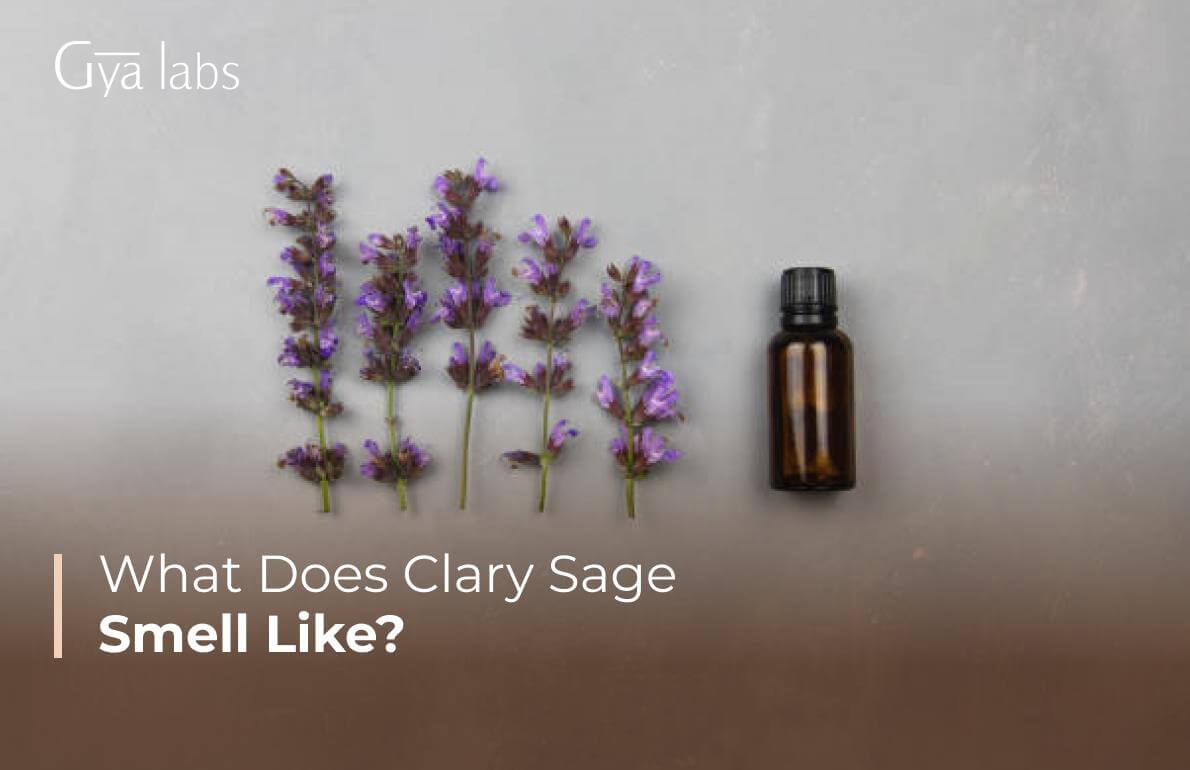
If you want to make your own spray at home, start with a quality oil like clary sage essential oil.
The Background of Sage in Traditional Use
Sage has long been valued in different cultural traditions for its distinctive herbal aroma and its connection to home and ceremonial use. Because of that history, it is important to approach the topic with respect and avoid treating sacred practices as trends.
In modern DIY home fragrance, sage essential oil is often used in sprays, mists, and aromatic blends for everyday routines. Rather than recreating sacred practices, many people choose to use sage-inspired products simply as part of a personal home-refresh ritual.
What Is a Sage Spray?
A sage spray is a water-based mist usually made with:
- sage essential oil
- witch hazel
- distilled water
It may also include other oils for a richer scent profile. Depending on the formula, it can be described as:
- cleansing spray
- smudge spray
- sage cleansing spray
- sage clearing spray
- energy cleansing spray
- room clearing spray
- sage room spray
- white sage mist
- liquid smudge
Because it is smoke-free and portable, sage spray is a practical option for entryways, bedrooms, workspaces, and travel.
You can browse more aromatic blends in Gya Labs’ essential oils for aromatherapy.
Why People Choose a Smokeless Smudge Spray
A smudge spray is a convenient way to refresh your space without the smoke or ash of traditional methods. Just a few spritzes can quickly uplift the atmosphere, making it perfect for creating a calming environment.
Common reasons people use sage spray
- easy to use every day
- no smoke or residue
- portable for travel or workspaces
- suitable as a sage air freshener
- works well in bedrooms, closets, and shared areas
A sage blend can also be used as an aura spray, grounding spray, or energy clearing spray depending on how the product is described.
How to Use Sage Spray at Home
If you are searching for how to use sage to cleanse your home or how to smudge a room with sage in a smoke-free way, a spray is one of the easiest options.
Simple ways to use a sage spray
- Shake the bottle well before each use.
- Mist lightly into the air.
- Focus on corners, entryways, curtains, or linens.
- Let the aroma settle naturally.
This method works well for anyone looking for a fresh herbal room mist without using smoke.
For more home fragrance ideas, read best essential oils for air purification.
How to Make Sage Spray
If you have searched for how to make sage spray, how to make a sage spray, or how to make sage oil spray, this basic DIY formula is a great place to begin.
Basic sage cleansing spray recipe
Ingredients
- 30 ml glass spray bottle
- 10 to 15 drops sage essential oil
- 1 tablespoon witch hazel
- distilled water
Instructions
- Clean the spray bottle thoroughly and let it dry.
- Add the witch hazel.
- Add the sage essential oil.
- Fill the rest of the bottle with distilled water.
- Seal and shake well before use.
This easy cleansing spray recipe is a good starting point for a simple herbal room mist.
If you want to build custom blends, explore essential oil singles.
Smudge Spray Recipe Variations
You can adjust your smudge spray recipe by pairing sage with other aromatic oils.
1. Basic Sage Smudge Spray
This simple version has a crisp herbal scent and works well as a sage spray for cleansing or sage room spray.
Ingredients
- 30 ml glass spray bottle
- 10 to 15 drops sage essential oil
- 1 tablespoon witch hazel
- distilled water
Instructions
- Add witch hazel to the bottle.
- Add sage essential oil.
- Top with distilled water.
- Shake well before use.
2. Sage and Patchouli Smudge Spray
This version has a richer, earthier profile and can work well as a grounding spray or room clearing spray.
Ingredients
- 30 ml glass spray bottle
- 7 to 10 drops sage essential oil
- 7 to 10 drops patchouli essential oil
- 1 tablespoon witch hazel
- distilled water
Instructions
- Add the witch hazel and oils to the bottle.
- Fill with distilled water.
- Shake thoroughly before each use.
3. Sage and Frankincense Smudge Spray
This variation has a warm, resinous aroma and is ideal for people who prefer a deeper scent profile.
Ingredients
- 30 ml glass spray bottle
- 7 to 10 drops sage essential oil
- 7 to 10 drops frankincense essential oil
- 1 tablespoon witch hazel
- distilled water
Instructions
- Add witch hazel to the bottle.
- Add the essential oils.
- Fill with distilled water.
- Shake well before use.
4. Sage and Lavender Spray
For a softer floral-herbal blend, sage and lavender pair well in an everyday mist.
Ingredients
- 30 ml glass spray bottle
- 8 drops sage essential oil
- 6 drops lavender essential oil
- 1 tablespoon witch hazel
- distilled water
Instructions
- Add witch hazel and oils to the bottle.
- Top with distilled water.
- Shake before use.
This blend can also be used as a light positivity spray or aura spray.
For this recipe, try lavender essential oil.
Tips for Using DIY Sage Spray
Before using any DIY spray:
- shake the bottle well
- test lightly on fabrics first
- store away from direct sunlight
- make small batches for freshness
A homemade sage mist can be used as a sage air freshener, smudging spray, or room clearing spray depending on your preferred scent blend.
Conclusion
A sage spray is an easy way to bring a fresh herbal aroma into your home. Whether you use it as a cleansing spray, smudge spray, or sage room spray, it offers a simple smoke-free option for everyday use.
For DIY recipes, focus on clean ingredients, clear instructions, and respectful language. A thoughtful sage-inspired mist can fit naturally into home fragrance routines without overcomplicating the process.