



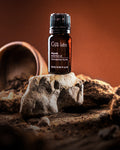

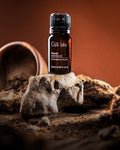
Rosehip seed oil is a lightweight carrier oil known for its linoleic acid, alpha-linolenic acid, and silky skin feel, while pomegranate seed oil is distinctive for its high content of punicic acid, an omega-5 fatty acid. Both are used in cosmetic skincare formulations, but the better choice depends on your preferred texture, formulation goals, and skin care routine. Rosehip oil may suit those who prefer a lighter-feeling facial oil, while pomegranate seed oil offers a different fatty acid profile for customized skincare blends.
In this guide to rosehip vs pomegranate seed oil, we'll compare their cosmetic properties, fatty acid profiles, uses, and formulation considerations. You'll also learn how to choose between them, when combining them makes sense, and what to look for before adding either oil to your skincare routine.
Rosehip vs Pomegranate Seed Oil: What's the Difference?
|
Feature |
Rosehip seed oil |
Pomegranate seed oil |
|
Plant |
Rosa canina, Rosa rubiginosa |
Punica granatum |
|
Made from |
Cold pressed rosehip seeds |
Cold pressed pomegranate seeds |
|
Main fatty acids |
Linoleic (omega 6), alpha linolenic (omega 3), oleic |
Punicic acid (an omega 5), plus small amounts of linoleic and oleic |
|
Texture |
Light, thin, absorbs quickly |
Thick and rich; absorbs more slowly |
|
Color |
Golden to orange |
Pale yellow |
|
Scent |
Light, slightly nutty and earthy |
Faint, mild |
|
Best for |
An everyday facial oil on its own |
A richer feel, or mixed into a lighter oil |
|
Storage |
Delicate: refrigerate after opening |
Delicate: store cool and dark |
What Are the Benefits of Rosehip Seed Oil?
Rosehip seed oil is obtained from the seeds of rosehip fruits, commonly from species such as Rosa canina and Rosa rubiginosa. Its composition can vary with the plant species, growing conditions, extraction method, and storage.
1. Supports soft, smooth-feeling skin
Rosehip seed oil is rich in unsaturated fatty acids, including linoleic acid, alpha-linolenic acid and oleic acid. The unsaturated lipids in the oil make it a great ingredient to help create formulations with a silky-soft, soft and conditioned feel.
For people who enjoy facial oils, rosehip can be incorporated into a routine after water-based skincare products, depending on the formulation and personal preference.
2. Fits easily into everyday skincare
Rosehip oil is a popular ingredient in facial oils, face creams, body oils, as well as homemade cosmetic recipes. Due to its aroma, the oil is an easy-to-use ingredient for those who would like to experiment with botanical oils without adding an overly fragrant product.
A few drops can be spread over the face as directed by the product label, or the oil can be incorporated into a professionally formulated moisturizer.
3. Offers a useful fatty acid profile
Rosehip oil contains linoleic and alpha-linolenic acids, as well as oleic acid. It may also contain minor constituents such as tocopherols and other plant compounds, although exact levels depend on the source and processing method.
These chemicals may be the key drivers of composition of a botanical oil to determine whether an oil may be suitable for a cosmetic product formulation. Composition of itself cannot guarantee that an oil will induce one or more visible effects in all skin types.
Explore: Organic Rosehip Oil by Gya Labs
What Are the Benefits of Pomegranate Seed Oil?
Pomegranate seed oil is extracted from the seeds of Punica granatum. It has a distinctive lipid profile, especially its content of punicic acid, a conjugated fatty acid that distinguishes it from many other common cosmetic oils.
1. Adds a distinctive fatty acid profile to skincare
The main fatty acid present in the pomegranate seed oil is punicic acid. Analysis of the pomegranate seed oil composition has covered the unsaturated lipids and other minor components too.
This makes pomegranate seed oil a promising candidate for use in cosmetic formulas designed for use on the face and in other leave-on formulations. Its benefit is in the formulation and ingredients and not the promise of a particular skin result.
2. Helps condition the skin
As a plant-derived carrier oil, pomegranate seed oil can contribute emollient properties to a skincare formulation. Emollients help improve the feel of the skin by making its surface feel smoother and softer.
Its suitability for daily use depends on the complete product, the amount applied, and how the individual responds to it.
3. Works in customized facial oil blends
Pomegranate seed oil can be used in facial oils, body oils, and other cosmetic blends. It may appeal to people who enjoy exploring less conventional botanical oils alongside familiar ingredients such as jojoba, argan, and rosehip.
When developing a DIY formulation, consider its texture, stability, and compatibility with the other ingredients rather than choosing an oil solely because it contains a particular fatty acid.
Explore: Organic Pomegranate Seed Oil by Gya Labs
Rosehip vs Pomegranate Seed Oil: Understanding Their Fatty Acids
One of the most insightful ways to compare these two oils is by looking at the fatty acid composition. This is especially useful in understanding how different these two oils are as cosmetic ingredients, despite both being plant seed oils.
Rosehip seed oil
Rosehip seed oil commonly contains:
-
Linoleic acid: An omega-6 oil in many plants.
-
Alpha-linolenic acid: An omega-3 fatty acid.
-
Oleic acid: A monounsaturated omega-9 fatty acid.
Pomegranate seed oil
Noteworthy uses of pomegranate seed oil:
-
Punicic acid: A conjugated fatty acid often described as an omega-5 fatty acid.
-
Linoleic acid: An omega-6 fatty acid.
-
Oleic acid: An omega-9 fatty acid.
Percentages can also differ quite a lot from sample to sample. A published analysis of cold-pressed seed oils gave Pomegranate seed oil high contents of punicic acid, for instance, while a study on rosehip seed oil shows linoleic and alpha-linolenic acids as its hallmark ingredients.
These differences are useful when comparing ingredient profiles, but they do not establish that one oil is more effective than the other in every skincare application.
Which Oil Is Better for Your Skin Type?
There is no universal winner in the rosehip vs pomegranate seed oil comparison. Your preference for texture, the rest of your routine, and the finished formulation all matter.
For dry-feeling skin
Both oils could also be a part of your beauty regimen if you're looking to keep dry-feeling skin soft. Rosehip could be the answer if you want a lightweight silky feeling oil. Or you might try pomegranate seed oil if you like trying out richer-feeling botanicals.
Neither oil replaces a well-formulated moisturizer when your routine needs additional hydration and moisture retention.
For oily or combination skin
If you have oily or combination skin, pay attention to how much oil you apply and how the finished product feels. A lightweight texture may be more comfortable, but texture alone cannot predict whether a product will suit your skin.
Start with a small amount, introduce one new product at a time, and discontinue use if irritation develops.
For a simple daily facial oil routine
Rosehip oil may be an approachable choice if you want a familiar botanical oil for everyday skincare. Pomegranate seed oil may be more appealing if you're interested in experimenting with a distinctive seed oil.
Neither should be selected solely on the basis of claims about skin concerns. Choose according to your preferences and the product's intended cosmetic use.
For more guidance, read Best Carrier Oils for Dry Skin.
How to Use Rosehip and Pomegranate Seed Oil
The way you use an oil can influence how comfortable it feels in your routine. Follow the instructions provided for your particular product, as formulations and recommendations may differ.
Using rosehip seed oil
-
Cleanse your face and apply any water-based skincare products you use.
-
Follow the product label for the recommended amount of rosehip oil.
-
Gently spread it over the skin without excessive rubbing.
-
During the daytime, finish with sunscreen as part of your regular sun-protection routine.
Using pomegranate seed oil
-
Start with clean skin.
-
Apply the amount recommended on the product label.
-
Spread the oil gently over the intended area.
-
Observe how your skin responds before increasing the amount or adding other new products.
For either oil, perform a patch test before regular use, particularly if your skin is sensitive. Avoid applying the oil to broken or irritated skin unless a qualified healthcare professional advises otherwise.
If you are developing DIY cosmetics, keep in mind that adding oil to a water-based product can affect its stability. Products containing water may also require an appropriate preservative system. Simply mixing ingredients at home does not establish that the finished product is stable or microbiologically safe.
Can You Combine Rosehip and Pomegranate Seed Oil?
Yes, the two oils can be combined in a cosmetic blend, provided the ingredients are suitable for the intended use.
Using both can be an interesting option if you want to explore different fatty acid profiles in one facial oil. However, combining them does not automatically make a product more effective than using either oil individually.
For a preliminary experimental mixture, start with a small amount and take notes on the ratio of how much you used. Look at the texture, spreadability and fragrance and then make a larger batch. For commercial or more advanced formulas consider ingredient compatibility, stability to oxidation, packaging and product safety.
If you're interested in exploring more botanical oils, browse Gya Labs Carrier Oils for Blending, Skin, Hair & Massage or Carrier Oils for Skin Care & Blending.
What Should You Look for When Choosing a Carrier Oil?
The oil itself is only one part of the decision. A few practical checks can help you select a product that suits your routine.
-
Ingredient identity: Check the botanical name and confirm that the product contains the oil you intend to use.
-
Extraction method: Cold-pressed oils are often chosen for cosmetic use, but extraction method alone does not guarantee quality.
-
Packaging: Oils rich in unsaturated fatty acids can be susceptible to oxidation. Follow the storage instructions and keep the container properly closed and away from excessive heat and light.
-
Product freshness: Check the expiration or period-after-opening guidance, where provided.
-
Skin compatibility: Introduce one new product at a time and stop using it if irritation occurs.
-
Intended use: Choose a product specifically suitable for your intended cosmetic application.
For another comparison of botanical oils, explore Rosehip vs Argan vs Jojoba: Which Oil Is Right for Your Skin?.
Final Thoughts: Rosehip vs Pomegranate Seed Oil
When choosing between these two seed oils, there's a difference in composition, texture and intended function in a formula. You may feel more at home with a formulation of rosehip seed oil for your light face oil routine, or go with the pomegranate seed oil for a bit more of a unique fatty acids profile.
Now, if you are willing to put the two to the test for yourself, explore Organic Rosehip Oil and Organic Pomegranate Seed Oil from Gya Labs. Look through each of these products and decide which one works for you.