




If you're using rosemary oil for hair care with castor oil, the best approach is to dilute rosemary essential oil into castor oil before applying it to your scalp. This creates a simple scalp massage blend that's easy to use, while keeping the essential oil properly diluted. You can also layer lighter oils through the lengths if your hair needs extra nourishment.
Scroll through social media for a few minutes and you'll probably come across someone mixing half a bottle of rosemary oil with castor oil and claiming it's the secret to thicker-looking hair.
Honestly?
Most of those videos skip the part that actually matters.
It's not just about what oils you use.
It's about how you use them.
I've experimented with countless hair oil routines over the years, from overnight treatments to quick pre-shampoo massages. Some left my hair feeling soft and manageable. Others made it feel greasy for two days straight. The biggest lesson I learned is that technique matters just as much as ingredients.
If you're wondering whether you should mix or layer the oils, how much rosemary oil to use, or whether peppermint deserves a place in the routine too, here's the approach I've found works best.
Why Rosemary Oil and Castor Oil Work Well Together for Hair Care
There are plenty of oils used in hair care, but few combinations have attracted as much attention recently as castor oil and rosemary oil.
The reason is simple.
Each oil brings something different to the routine.
Castor oil is naturally thick and creates a nourishing base for scalp massage. Rosemary essential oil is highly concentrated and always needs to be diluted before it touches the skin.
Together, they create a practical pre-shampoo treatment that's easy to incorporate into a weekly routine.
Where many people go wrong is assuming more oil equals better results.
It doesn't.
Using too much castor oil can leave your hair feeling heavy, while applying undiluted rosemary essential oil directly to the skin isn't recommended.
The goal isn't to coat your hair with as much oil as possible.
The goal is to create a balanced routine you'll actually enjoy repeating.
Should You Mix or Layer Rosemary and Castor Oil?
This is probably the question I get asked most.
Should you mix the oils together?
Or should you apply them separately?
In most cases, I recommend mixing rosemary essential oil into castor oil rather than applying them one after another.
Why?
Castor oil acts as the carrier oil, helping dilute the essential oil before it reaches your scalp. It also makes the blend easier to distribute during a scalp massage.
If your hair lengths feel dry, you can take things one step further by applying a lighter carrier oil through the mid-lengths and ends after treating your scalp. That way, you're tailoring the routine to different parts of your hair instead of treating everything the same.
I've tried both methods, and I consistently come back to this approach because it feels simpler and less messy.
Sometimes the easiest routine is the one you're most likely to stick with.
The Right Rosemary Essential Oil to Castor Oil Ratio
One mistake I see quite often is adding far too much essential oil.
Remember that rosemary essential oil is highly concentrated.
A little goes a long way.
For a one-ounce (30 mL) bottle of castor oil, I typically use:
• 6 to 12 drops rosemary essential oil
• 1 ounce (30 mL) castor oil
If you're making your first blend, start at the lower end of that range.
You can always make another batch later.
You can't remove extra drops once they're already mixed.
I also recommend using a dark glass bottle for storage and shaking the mixture gently before each use.
How to Apply Rosemary and Castor Oil Step by Step
One reason this routine has stayed in my weekly rotation is because it doesn't take long.
Five to ten minutes is usually enough.
Step 1: Focus on the Scalp First
Start by parting your hair into sections.
Using a dropper or your fingertips, apply small amounts of the diluted oil directly to the scalp rather than pouring it over the hair.
Working section by section helps distribute the oil more evenly.
There's no need to saturate your scalp.
A little really does go a long way.
Step 2: Apply to the Lengths If Needed
If your hair feels dry, apply a lightweight carrier oil such as jojoba to the mid-lengths and ends instead of adding more castor oil.
I've found this prevents the hair from feeling weighed down while still giving it some extra nourishment.
Think of your scalp and your hair lengths as having different needs.
Treat them accordingly.
Step 3: Take Time to Massage
This is the part many people rush.
Don't.
Spend three to five minutes gently massaging the scalp using small circular movements.
Aside from helping distribute the oil evenly, it also turns the routine into a relaxing moment rather than another task to tick off your list.
For me, that's half the appeal.
How Long to Leave Rosemary and Castor Oil in Your Hair
One of the most common questions is how long to leave rosemary and castor oil in hair.
My preference is somewhere between 30 minutes and two hours before shampooing.
That fits comfortably into most schedules without leaving hair feeling overly oily.
Can you leave it on overnight?
Some people do, but I don't find it necessary.
If you choose to sleep with the blend in your hair, protect your pillowcase and shampoo thoroughly the following morning.
Personally, I prefer using it during the day.
It's less messy, and I don't have to worry about oil transferring onto my bedding.
How Often Should You Use the Blend?
Consistency matters more than frequency.
Using a blend once and expecting dramatic changes isn't realistic.
For most hair care routines, one to two applications per week is plenty.
That's enough to build the habit without making your hair feel overloaded with oil.
I've found that keeping the routine simple makes it much easier to maintain over time.
Add Peppermint Essential Oil for an Extra Refreshing Touch
If you enjoy a cooling sensation during your scalp massage, you might also consider adding peppermint essential oil.
I don't use it every time, but I like including it occasionally when I want my routine to feel a little more refreshing.
For every ounce of carrier oil, one or two drops of peppermint essential oil is usually enough.
It pairs particularly well with rosemary while keeping the aroma fresh and clean.
As always, peppermint essential oil also needs to be properly diluted before topical use.
Choosing the Right Oils for Your Scalp Blend
For this routine, you'll need just a few products. Starting with high-quality oils makes the blend easier to work with and ensures your essential oil is properly concentrated.
Disclosure: The following includes specific product recommendations.
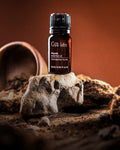
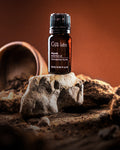
• Gya Labs Rosemary Essential Oil
• Optional: Gya Labs Peppermint Essential Oil (for a refreshing scalp massage blend)
If you're just starting out with essential oils, begin with the castor oil and rosemary combination before adding new ingredients.
A simple routine is easier to follow consistently.
Final Thoughts: Building a Consistent Hair Care Routine
One thing I've learned from working with essential oils is that complicated routines rarely last.
The most effective hair care treatment is usually the one you can repeat consistently week after week.
This routine a blend of rosemary essential oil and castor oil, a few minutes of scalp massage, and a thorough shampoo the same day takes less time than most people expect. For more scalp blend ideas, the scalp massage oil recipes guide is a good next step.
If you're just starting out, begin at the lower end of the suggested ratio and build it into a weekly habit rather than reaching for intensive results all at once.
Consistency tends to matter more than intensity.