Bestseller
Carrier Oils for Stretch Mark Care
Stretch marks are beautiful. Nourishing carrier oils for your daily skin-care and massage routine.
Bestseller
Bestseller
New


Suggestions

Targeted rituals for sleep, stress, skin & more
Browse oils, roll-ons, hydrosols & carriers
Shop by how you want to feel
Morning-to-night ritual sets
Bestsellers, new arrivals & what's trending
Guides, our story & quality standards
Hand-blended in small batches · Free shipping over $50
Your cart is quiet.
Let's find what works for you — by mood, not marketing.
Shop by Collection

✓ Free shipping over $50✓ 30-day guarantee✓ Ships same day
Explore All ProductsStretch marks are beautiful. Nourishing carrier oils for your daily skin-care and massage routine.
14 products
14 products
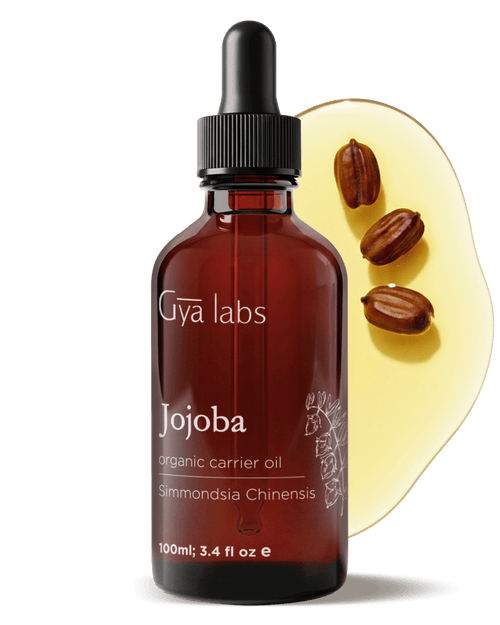
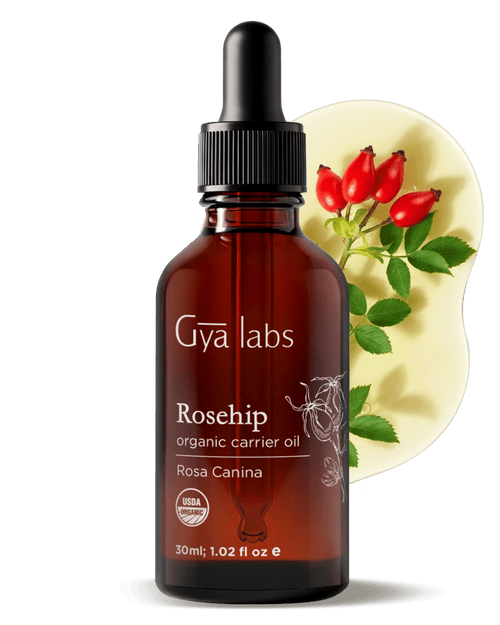
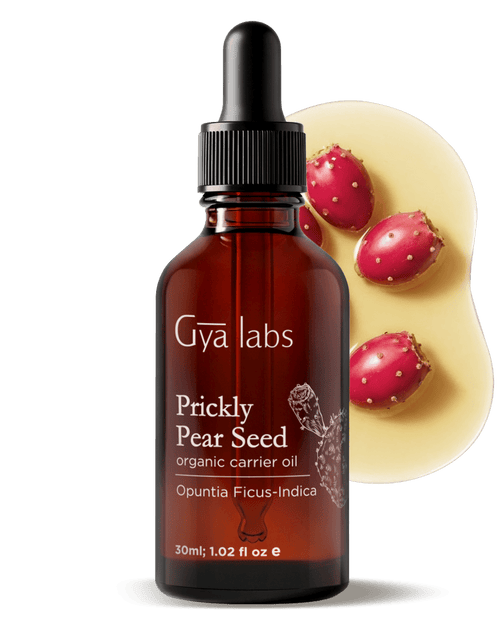
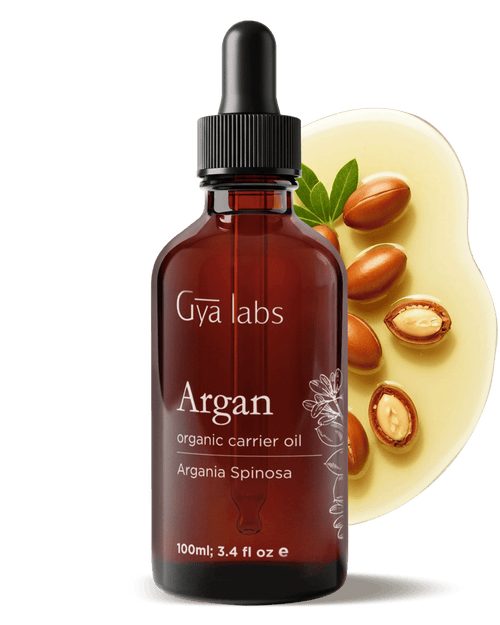
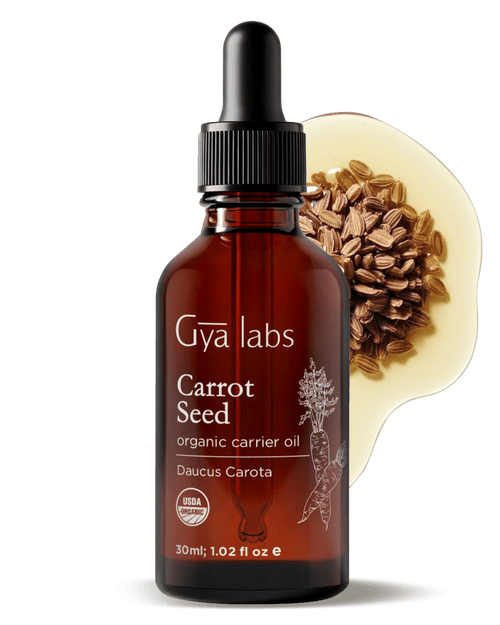
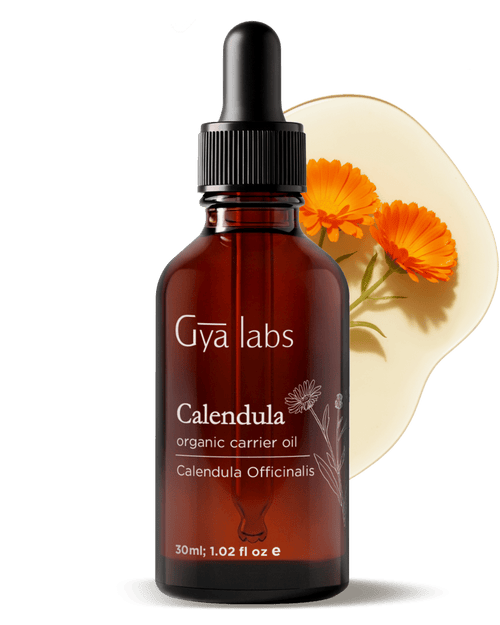
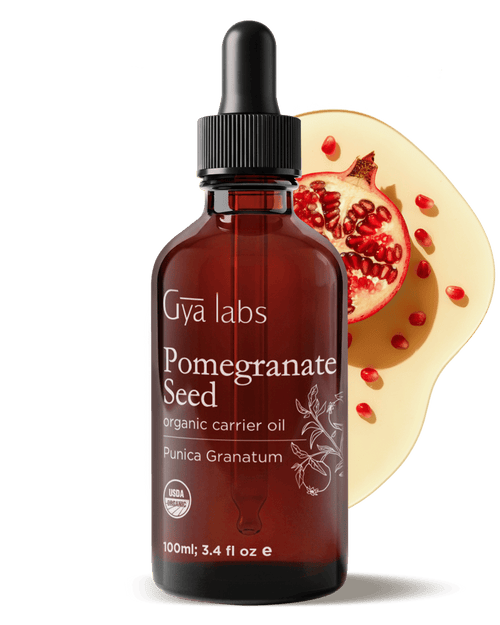
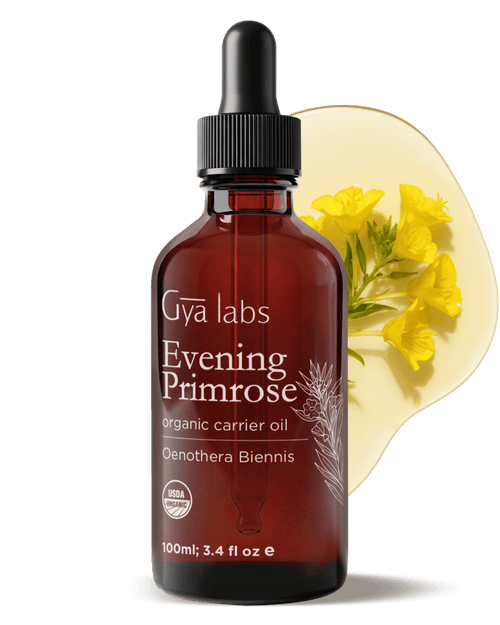
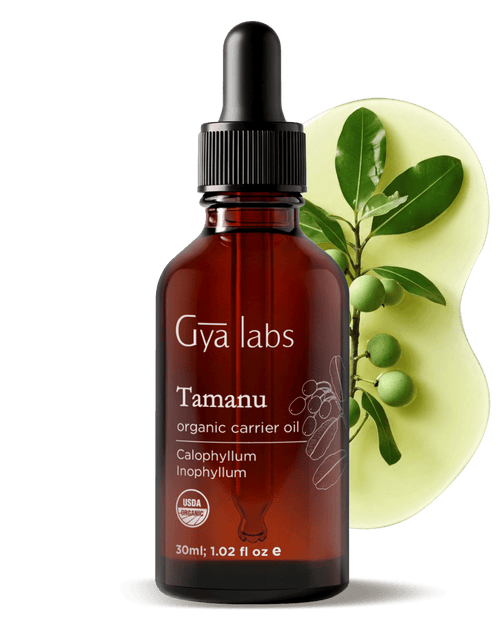
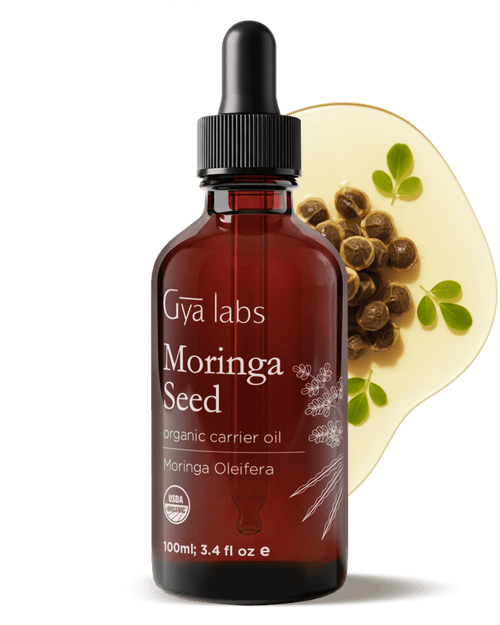
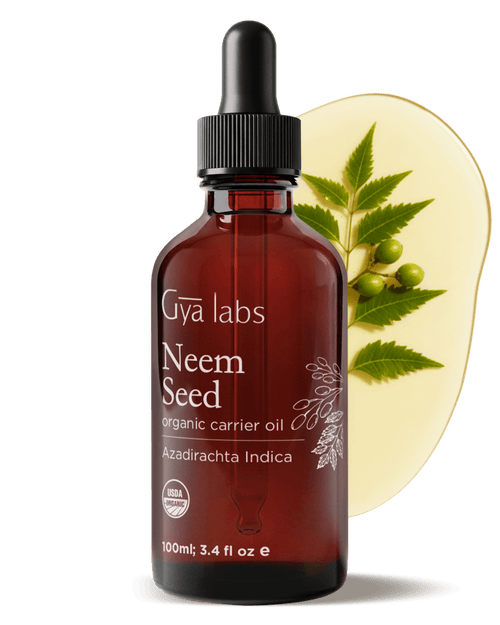
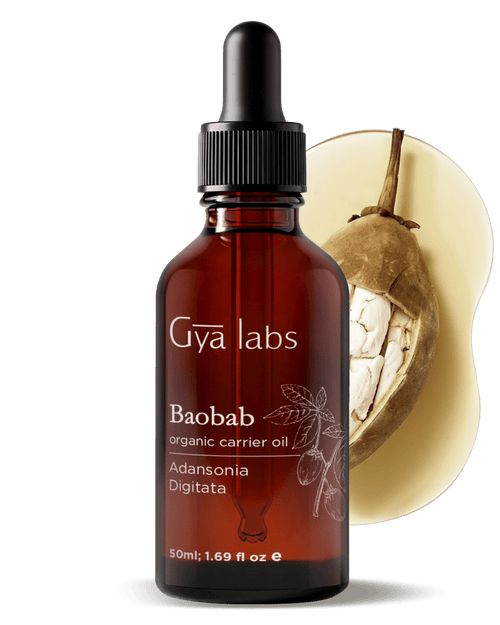
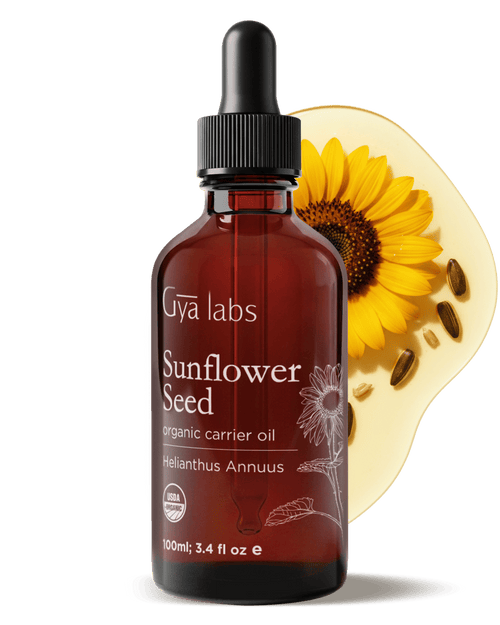
Discover Gya Labs' collection of carrier oils for skin, thoughtfully selected for everyday moisturising, body massage and stretch mark care. From lightweight rosehip and jojoba to richer botanical oils, each option offers a different texture and skincare experience. Whether you're looking for a body oil for dry skin or exploring the best oils for stretch mark care, discover plant-based ingredients that help keep your skin feeling soft, smooth and well-conditioned.
Choosing the right carrier oil begins with understanding your skin type, preferred texture and daily skincare routine. Lightweight oils generally suit those who prefer quick absorption, while richer formulations offer a more substantial feel during body massage.
If you're wondering what carrier oil is best for skin, consider how your skin feels after cleansing and moisturising. Jojoba and argan are versatile everyday options, while rosehip and pomegranate seed oils offer different fatty acid profiles.
The carrier oils for skin you choose should complement your existing skincare products without leaving your skin feeling unnecessarily greasy.
Stretch marks are a natural part of skin changes associated with growth, pregnancy and weight fluctuations. While body oils cannot erase them, regular moisturising can help keep surrounding skin feeling soft, comfortable and conditioned.
A body oil for stretch mark care can become part of your everyday routine, particularly on areas such as the abdomen, thighs, hips and upper arms.
When exploring the best oils for stretch marks, consider ingredients that provide lasting moisturisation and a pleasant massage experience. Rosehip oil for stretch mark care is a popular choice because of its lightweight texture and naturally occurring fatty acids.
Apply your preferred body oil with gentle circular movements, focusing on moisturising rather than changing the appearance of existing stretch marks.
Rosehip oil for skin is a great natural way to add a little bit of cossetting to your face care routine and your body care routine. Lightweight and popular for its natural sources of essential fatty acids.
Its smooth texture makes it suitable for gentle body massage and daily moisturising. You can also combine rosehip oil with your usual body lotion for additional conditioning.
For those exploring rosehip oil for stretch marks, its role is to moisturise and condition the skin rather than remove or prevent stretch marks.
Argan oil for skin has a nourishing texture that can help soften dry patches without adding the extra complication of an everyday skin care regime. As a source of fatty acids, it can work well as a massage oil or body nurture.
Jojoba oil for skin consists of unique components that resemble those found in human sebum. It has a texture that is not greasy and will leave your skin with a non-greasy appearance.
Both oils can be applied individually or incorporated into personalised body oil blends.
When skin feels rough or tight, a nourishing body oil for dry skin can complement your regular moisturiser.
Calendula oil for skin is often selected for gentle body care routines, particularly when formulated in a suitable carrier oil. Its conditioning texture lends itself to being a handy addition to your daily moisturising routine. Evening primrose oil for skin in addition includes known gamma-linolenic acid that can be integrated into body oils for further conditioning.
Choose formulations that feel comfortable on your skin, particularly if you prefer richer textures during colder months.
In addition to familiar botanical oils, you also have access to a few not-so-typical oils with unique textures and conditioning abilities.
Tamanu oil benefits for skin include its rich, emollient texture, making it suitable for targeted moisturising. Pomegranate seed oil for skin contains punicic acid and works well in nourishing body oil formulations.
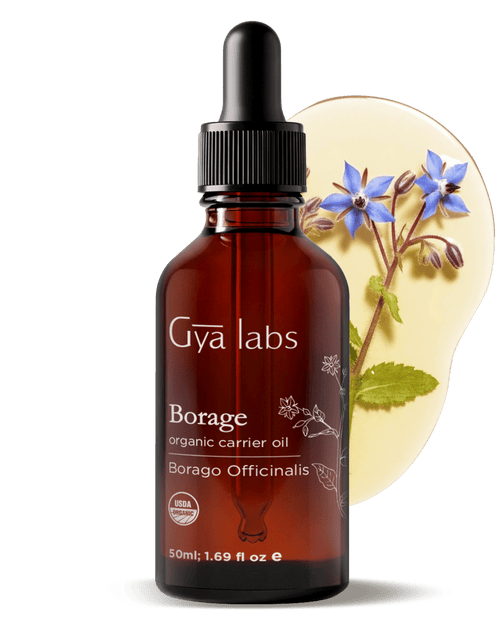
Baobab oil for skin and moringa oil for skin are appreciated for their fatty acids and tendency to glide on skin. Meanwhile, borage oil for skin contains GLA, so it's also used for conditioning dry-feeling skin.
Prickly pear seed oil is easily absorbed by the skin and fine to use on face and body, while neem oil for skin has a distinctive earthy aroma and is generally better suited to carefully formulated skincare blends.
Explore these botanical oils according to your preferred texture, scent and daily moisturising needs.
The sourcing and extraction methods used to produce carrier oils can influence their composition, aroma and texture.
Organic carrier oils come from ingredients grown according to applicable organic agricultural standards. Look for verified certification on the packaging of each product (as opposed to presumptive certification through a random list of botanicals).
Cold pressed carrier oils are extracted using mechanical pressure without the high temperatures associated with some other processing methods. This extraction process may help to preserve a botanical's natural constituents.
At Gya Labs, explore individual product descriptions to learn more about ingredient sourcing, extraction methods and applicable certifications before selecting your preferred oil.
Different skin types benefit from different textures and moisturising approaches.
For dry-feeling skin, richer oils such as baobab and argan can complement everyday moisturising routines. Lightweight jojoba and rosehip may appeal to those who prefer a smoother finish without excessive heaviness.
If you're exploring rosehip oil vs argan oil, rosehip generally has a lighter feel, while argan provides a richer conditioning experience.
Those comparing jojoba oil vs almond oil may prefer jojoba's lightweight wax ester composition or sweet almond oil's smooth, emollient texture.
Your preferred body oil should leave your skin feeling comfortable, moisturised and well-conditioned.
Understanding how to use carrier oil on skin can help you build a simple, consistent body care routine.
Start with clean, slightly damp skin and gently massage a small amount of oil into your arms, legs or other areas requiring additional moisture.
If you're wondering when to apply body oil, immediately after showering is a convenient choice because slightly damp skin allows you to spread the product easily.
Learning how to layer body oils is equally straightforward. Apply your regular body lotion first, followed by a small amount of oil to help reduce moisture loss.
Avoid applying excessive amounts, particularly when combining several rich botanical oils.
Body oils for pregnancy skincare routines can help keep skin moisturised as the body undergoes natural changes.
Simple, fragrance-free formulations are generally preferable when skin becomes more sensitive. However, not every botanical oil or essential oil is appropriate during pregnancy.
Select products that list ingredients on the label, avoid using oils on broken or damaged skin, and do a patch test before using on large areas.
Speak with your doctor about any new botanical oils you plan to use during pregnancy, especially if the product contains concentrated plant oils or essential oils.
Body oils may improve skin comfort, but they have not been shown to reliably prevent stretch marks.