


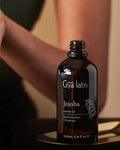
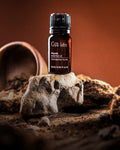

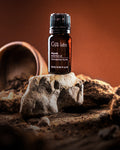
Eucalyptus oil is commonly used in aromatherapy to create a fresh, clean atmosphere and a breathe easy feeling. Popular uses include diffusing it, adding it to a shower routine, blending it with other oils, and using properly diluted amounts in cosmetic products.
Eucalyptus oil is used in aromatherapy for its fresh, crisp, camphoraceous aroma. From the spa shower feeling to resetting a room after a long day, it has earned a permanent place in plenty of routines.
The shower is where most people notice it first. A few drops in the right place makes the bathroom feel fresher almost immediately, with very little effort.
This guide covers practical eucalyptus oil uses for aromatherapy, home care and cosmetic routines, along with how to dilute it safely. It also covers eucalyptus steam, shower applications, blending ideas, and what to know before using it around children and pets.
Meet Eucalyptus: Crisp and Fresh
If you've ever opened a bottle of eucalyptus essential oil, you know the aroma immediately. It's fresh, clean, sharp and distinctly green, with a cooling character that makes it a staple of refreshing aromatherapy routines.
Most eucalyptus oil sold for aromatherapy is steam distilled from the leaves of *Eucalyptus globulus*, and its dominant compound is 1,8-cineole. That single fact explains both the sharp, camphor like character of the aroma and the extra care the oil needs around young children, which is covered further down.
Eucalyptus trees have a long history of traditional use, but modern aromatherapy is usually much simpler. You don't need an elaborate ritual to enjoy the scent. A diffuser, a shower routine, or a properly diluted topical blend is enough.
It's most useful when you want to change the feeling of a space quickly. The aroma is invigorating in the morning, after exercise, or whenever a room starts feeling stuffy.
And although eucalyptus is often associated with respiratory wellness, the language around it needs to stay realistic. Aromatherapy can create a fresh, breathe easy feeling through aroma alone. Eucalyptus oil is not a treatment for congestion, asthma, colds, infections or any other medical condition.
For a Fresh, Breathe Easy Feeling
Some days you want your surroundings to feel particularly fresh. Maybe you've been indoors for hours, finished a workout, or just want the clean atmosphere you get at a spa.
That's where eucalyptus comes in.
The aroma is bold, so you don't need much. In a diffuser, eucalyptus gives a room a distinctly fresh character. It also pairs well with other oils, which lets you soften its sharper edges or build something more complex.
Eucalyptus Steam
Eucalyptus steam is another popular way to enjoy the aroma. Rather than treating it as a therapeutic steam treatment, think of it as an aromatic experience.
One approach is to add a few drops of properly diluted eucalyptus oil to a suitable shower or steam room aroma setup, following the product instructions. The warmth and humidity carry the fragrance through the space, which is what creates the eucalyptus shower experience people enjoy.
Adding undiluted essential oil to hot water and leaning over it is not a good idea. Essential oils are highly concentrated, and more is not better.
A Simple Diffuser Routine
For a fresh daytime atmosphere, try:
· 3 drops eucalyptus essential oil
· 2 drops peppermint essential oil
· 1 drop lemon essential oil
Add the blend to your diffuser according to its manufacturer instructions.
The eucalyptus provides the unmistakable fresh note, peppermint adds a cool lift, and lemon rounds it out with a bright citrus character. It's the blend to reach for when you want a home office or living room to feel clean and energized without a heavy fragrance.
A note before you run this one: eucalyptus and peppermint are both oils that need care around young children. See the children and pets section below.
Around the Home
Some of the best eucalyptus oil uses have nothing to do with personal care. The aroma works just as well as part of a home fragrance routine.
Diffusing Eucalyptus Oil
A diffuser is the easiest way to work eucalyptus into your day.
You can use it on its own or combine it with complementary oils. For a more balanced aroma, try pairing it with:
· Lemon for a bright, citrusy profile
· Lavender for a softer floral note
· Peppermint for a crisp, cooling aroma
· Tea tree for a clean, herbal character
· Cedarwood for a deeper, woodsy finish
Eucalyptus with lemon is the reliable daytime choice. Fresh, not overpowering. If you want more combinations to work from, our beginner's guide to diffuser blends sorts them by the mood you're after.
Can I Hang Eucalyptus Oil in the Shower?
You can enjoy eucalyptus in a shower routine, but don't apply undiluted essential oil to your skin or pour it onto the shower floor. Use a shower safe aromatic product made for essential oils, or follow the directions for a properly diluted shower application.
Fresh eucalyptus branches hung as shower decor are a different thing altogether. Essential oil should still be handled separately and with care.
For a DIY option, place a few drops of diluted eucalyptus oil onto an absorbent, shower safe material positioned away from direct skin contact and standing water. The goal is to let the aroma circulate, not to create a concentrated pool of oil.
Freshening a Room
Eucalyptus also works in a simple room scenting routine. Try combining:
· 3 drops eucalyptus
· 2 drops lemon
· 1 drop tea tree
Diffuse according to your diffuser's instructions.
The result is fresh, clean and slightly herbal. It's particularly good for resetting a room after cooking or cleaning.
For Skin and Hair
Eucalyptus essential oil isn't limited to diffusers. Because essential oils are concentrated, they can also go into certain cosmetic routines when appropriately diluted.
The key word is diluted.
A small bottle is not a small dose. Eucalyptus oil is a highly concentrated aromatic ingredient, so what matters is how it's formulated, not how little of it you happen to own.
Can I Use Eucalyptus Oil on Skin?
Yes, eucalyptus essential oil can be used in some cosmetic applications when properly diluted in a suitable carrier oil or formulated product. It should never be applied neat to the skin.
For a simple body oil, eucalyptus can be combined with a carrier oil such as jojoba, coconut or sweet almond. The resulting blend works as part of a cosmetic massage or body care routine, provided the concentration suits the intended use.
For facial applications, be more cautious. Facial skin is more reactive, and not every essential oil suits every formulation.
Eucalyptus in Hair and Scalp Routines
Eucalyptus can add a fresh aromatic character to hair products, and you'll find it in shampoos, scalp products and other cosmetic formulations.
If you're making your own, don't tip a few drops into an existing shampoo bottle. A finished cosmetic formulation has known proportions, and an arbitrary few drops is not the same as a measured amount.
For DIY use, formulate a small batch at a known dilution rather than modifying a whole bottle of something else.
How to Use and Dilute Eucalyptus Oil
This is the part worth never skipping.
Essential oils are highly concentrated, so using more doesn't give you a better experience. It gives you aromatic overload and a higher chance of skin sensitivity.
How Do I Dilute Eucalyptus Oil?
Mix eucalyptus essential oil with a compatible carrier oil before applying it to skin. A 1 percent dilution is a common starting guideline for adult cosmetic use, and the right figure varies with the product, the body area and the purpose.
As a rough guide, 1 percent is about:
· 1 drop essential oil per teaspoon of carrier oil
For larger quantities, calculate the formulation properly rather than relying on drop counts.
Suitable carriers include:
· Jojoba oil
· Coconut oil
· Sweet almond oil
· Fractionated coconut oil
Start at a lower concentration when testing a new blend. Adding more fragrance to an underwhelming test is easier than rescuing one that's too strong.
Patch Testing
Before using a new topical blend more widely, apply a small amount to a limited area of skin and see how your skin responds. A patch test reduces the chance of a surprise, though it can't rule a reaction out entirely.
Keep essential oils away from the eyes, the inside of the nose and other sensitive areas. If irritation occurs, stop using the blend.
Children and Pet Safety
Eucalyptus has a powerful aroma, and that's exactly why extra care matters when children or pets are around.
Is Eucalyptus Oil Safe Around Kids?
Eucalyptus needs real caution around children, and the reason is specific rather than general.
Eucalyptus globulus is high in 1,8-cineole, and peppermint is high in menthol. For oils in this group, the Tisserand Institute's guidance is direct: do not apply them to or near the face of infants or children. That guidance exists because of how these compounds can affect a small child's breathing, and it applies to the oil going on or near the face, not to the room smelling of it.
Diffusing is treated differently. Tisserand considers eucalyptus globulus or radiata safe to diffuse around children under two, suggesting 2 to 3 drops over several hours as a reasonable guide.
So, in practice:
· Keep bottles out of reach of children.
· Don't apply eucalyptus or peppermint blends to a child's face, chest or under the nose.
· Don't assume an adult dilution is appropriate for a child.
· Diffuse in a ventilated room, at a modest number of drops, and let the child leave the room if they want to.
· Get advice from a health professional before using essential oils on very young children.
Is Eucalyptus Oil Safe for Pets?
Animals respond differently to concentrated aromatic compounds, and essential oils can be harmful to them. Don't apply eucalyptus oil to a pet, and don't add it to food, water, bedding or grooming products.
If you're diffusing around animals, think about room size, ventilation and exposure time, and always leave a way for your pet to move away from the scent. Our guide on whether eucalyptus oil is safe for dogs goes into this in more detail.
If your pet shows unusual behavior or signs of discomfort after exposure, stop using the oil and contact a veterinarian.
What Blends Well With Eucalyptus?
One of the best things about eucalyptus is how easily it fits into different aroma profiles. Bright and refreshing pairs with lemon or another citrus. Lavender softens it. Peppermint sharpens it. Cedarwood takes the edge off while adding depth.
|
Essential oil |
Aroma character |
Works with eucalyptus for |
|
Lemon |
Bright, citrusy |
Fresh daytime blends |
|
Lavender |
Soft, floral |
Calmer aromatic profiles |
|
Peppermint |
Crisp, cooling |
Invigorating blends |
|
Tea tree |
Clean, herbal |
Fresh home aromas |
|
Cedarwood |
Warm, woody |
Deeper, grounded blends |
You don't need five or six oils in one diffuser. Two or three that suit each other are usually enough. The full range is in the aromatherapy collection if you want to browse by scent family.
Simple Eucalyptus Aromatherapy Ideas
Evening Eucalyptus Blend
If you want something less sharp at the end of the day:
· 2 drops eucalyptus
· 2 drops lavender
· 1 drop cedarwood
The lavender softens the blend while cedarwood gives it a warmer base.
Fresh Shower Aroma
For a simple shower ritual, use a shower aromatherapy product made with eucalyptus, or follow the manufacturer's instructions for a suitable diluted application. That gives you the eucalyptus experience without improvising with concentrated oil in a wet room.
Eucalyptus Oil Safety Basics
A few simple habits make essential oil use much more straightforward.
· Don't use eucalyptus oil undiluted on skin. Essential oils are concentrated and need appropriate dilution for topical use.
· Don't ingest it. Essential oils aren't automatically safe to swallow because they come from plants.
· Keep it away from the eyes and other sensitive areas.
· Store it properly. Keep the bottle closed and away from children and pets.
· Use a suitable diffuser and follow the manufacturer's recommended amount and operating instructions.
Don't assume natural means risk free. These are natural products, but they are still concentrated substances that need handling responsibly.