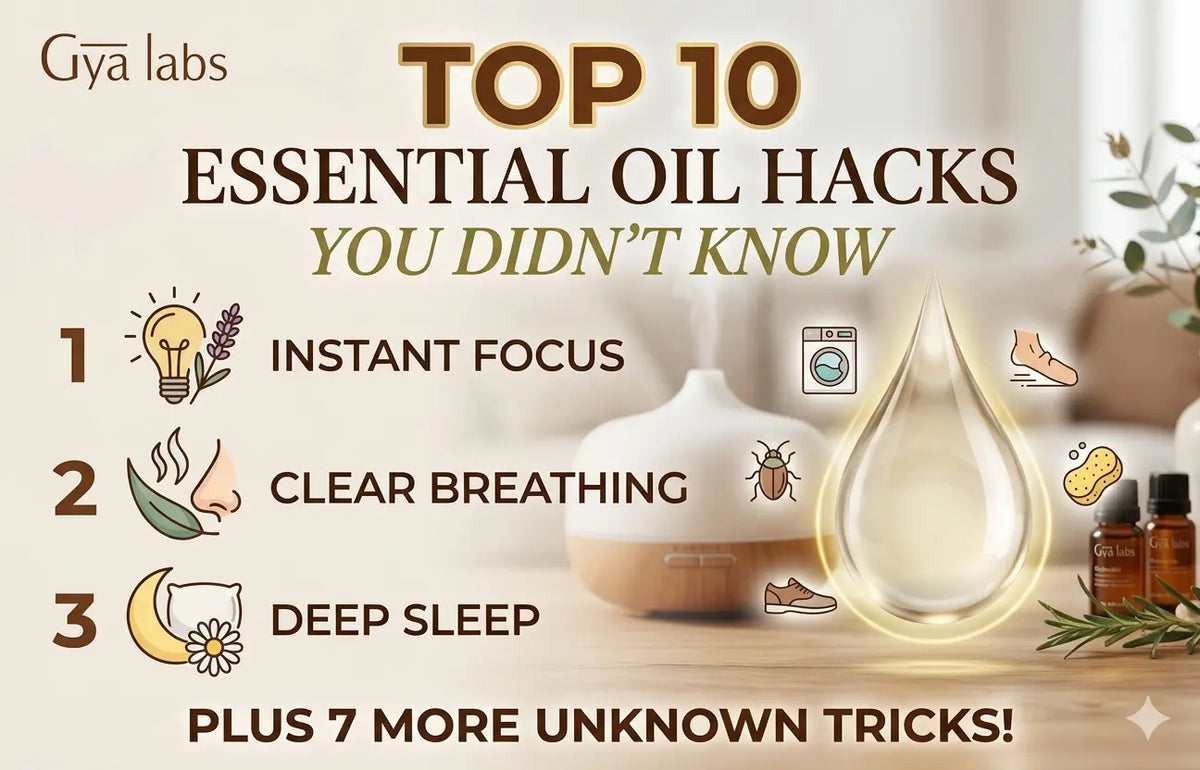




Essential oil diffuser blends are an easy way to light up a room in the blues. Among those who are new to aromatherapy therapy, keep it simple with two to three oil combinations. Lavender is relaxing and soft-smelling; citrus oils act to bring the brighter and cheerier smell to it; peppermint and rosemary jazz make creative and fresh.
The right essential oil diffuser blend can help you create simple blends of symbols representing the small things you enjoy, that not only purify the room or office, but are calming.
Why Use Essential Oil Diffuser Blends?
Using essential oils for diffuser is one of the most practical ways to experience aromatherapy in everyday life.
Benefits of diffuser blends:
- help create a mood-based environment
- support relaxation or focus depending on blend
- make your space feel fresh and inviting
- allow easy customization with different essential oil combinations for diffuser
This is why many beginners start with simple oil diffuser recipes before experimenting with more advanced blends.
How Essential Oil Blends Work
The process of mixing oils results in multiple scents that create different atmospheres for the space. Some oils provide an uplifting effect while other oils produce a calming effect and another group of oils creates a stabilizing effect.
For relaxation purposes people frequently use lavender essential oil (Lavandula angustifolia) while lemon essential oil (Citrus limon) serves as a common ingredient in energizing blends. The essential oil of peppermint (Mentha piperita) serves as a common ingredient in products which need to deliver both mental focus and refreshing effects.
Understanding how essential oils that blend well work together is key to building effective essential oil diffuser mixes.
Best Essential Oils for Diffuser (By Mood)
To create effective essential oil diffusing blends, you can choose oils based on how you want to feel.
For relaxation, lavender essential oil and chamomile oil are often used because they create a calm and soothing environment. For energy and freshness, citrus oils such as lemon and sweet orange are commonly used in energising essential oil blend recipes. For focus and mental clarity, peppermint essential oil and rosemary oil are often combined in essential oil mixes for diffuser. For grounding and depth, oils like cedarwood and frankincense are commonly used in evening blends.
These combinations form the base of most essential oil blends for diffuser used in daily routines.
Quick Comparison of Essential Oil Diffuser Blends
|
Essential Oil |
Best For |
Aroma Type |
When to Use |
|
Lavender (Lavandula angustifolia) |
Relaxation |
Floral |
Evening |
|
Lemon (Citrus limon) |
Freshness |
Citrus |
Morning |
|
Peppermint (Mentha piperita) |
Focus |
Minty |
Afternoon |
|
Sweet Orange Uplifting mood |
Uplifting mood |
Citrus |
Daytime |
|
Eucalyptus |
Clean feel |
Herbal |
Anytime |
|
Cedarwood |
Grounding |
Woody |
Night |
|
Frankincense |
Calm focus |
Resinous |
Evening |
Essential Oil Diffuser Recipes for Every Mood
Here are simple and effective essential oil diffuser recipes:
1. Relaxing Evening Blend
- 2 drops lavender
- 1 drop chamomile
- 1 drop cedarwood
This is one of the most common essential oil blends for diffuser used for winding down.
2. Energising Morning Blend
- 2 drops lemon essential oil
- 2 drops sweet orange
- 1 drop peppermint
A refreshing essential oil diffuser mix to start the day.
3. Focus and Clarity Blend
- 2 drops peppermint
- 1 drop rosemary
- 1 drop lemon
A practical essential oil combinations for diffuser for work or study.
4. Clean and Fresh Home Blend
- 2 drops eucalyptus
- 2 drops lemon
- 1 drop tea tree
Often used in oil blends for diffuser for a clean atmosphere.
5. Balanced Everyday Blend
- 2 drops lavender
- 1 drop orange
- 1 drop frankincense
A simple option for essential oil diffuser oil guide beginners.
How to Make Your Own Essential Oil Blends
If you want to make your own essential oil blends, follow this simple rule:
- choose 1 top note (citrus)
- 1 middle note (floral/herbal)
- 1 base note (woody/resinous)
This structure helps create balanced recipes for blending essential oils.
How to Use Essential Oils in a Diffuser
If you’re new to essential oils in diffuser, here’s a simple method:
- fill diffuser with water
- add 3–5 drops of oil
- run for 20–30 minutes
This works for most diffuser recipes for essential oils.
How Many Drops Should You Use?
-
small diffuser: 3 drops
-
medium diffuser: 4–5 drops
-
large diffuser: 6–8 drops
Start small and adjust based on preference.
Tips for Better Essential Oil Blends
- use simple blending techniques
- do not combine multiple oils
- the scents become less effective through scent fatigue thus we need to change our scent combinations
- use only premium quality essential oils
- establish a daily schedule which we must adhere to throughout the day
Gya Labs Oils You Can Explore
Start with Lavender Essential Oil if your goal is to create a calming and relaxing environment, especially when using evening diffuser blends.
If you want to create a fresh and energising space, particularly in the morning, Lemon Essential Oil or other citrus oils can help build simple and effective essential oil diffuser recipes.
For improving focus and clarity during work or study, Peppermint Essential Oil or Rosemary Essential Oil can be used in short diffuser sessions as part of your daily routine.
If your preference is a clean and airy environment, especially when refreshing your home, Eucalyptus Essential Oil is often used in essential oil blends for diffuser.
You can combine these oils based on your mood, routine, and time of day. You can also explore these options within Gya Labs’ essential oils collection to build a consistent and personalized aromatherapy routine.
Helpful Tip for Fresh Spaces
If you want to go beyond diffusers and create a quick freshening solution, you can also explore how to make DIY sprays using essential oils in this guide on peppermint oil room sprays for freshening your space naturally, which shows how blends can be used in different formats.
Safety Section
Safety & Precautions for Diffuser Blends
Aromatherapy essential oils are very potent, with just a few drops going a long way. Diffuser mixes can be used in a space with adequate ventilation; moreover, long sessions of operating the diffuser are to be avoided. Always start with the minimum number of drops when using a diffuser.
Keep essential oils away from the reach of children and pets and never consume except on professional advice. Poison Control also reports that the misuse of essential oils can lead to poisoning and would recommend keeping it away from the reach of children.
Avoid diffusing around babies, pregnant people, people with asthma, people with breathing sensitivities, or pets unless you have checked with a qualified healthcare or veterinary professional. Children’s Hospital of Philadelphia also notes that overexposure to diffused essential oils may irritate the lungs, eyes, or skin of young children, sensitive adults, and pets.
This content features aromatherapy largely based on custom used principles and has been presented for information purposes only. Any product is not intended to be offered as a cure, prevention, or treatment for any medical condition or ailment. People who are pregnant, have asthma, allergies, have children or pets around to be exposed to the oils, or who experience irritation should consult a highly qualified healthcare provider before using any product.
Final Takeaway
These essential oil diffuser blends are easy, versatile and beginner friendly. Begin with fresh citrus oils in a morning like lemon or sweet orange, then move into peppermint or rosemary when you need an energizing environment, and to lavender, chamomile, cedarwood or frankincense for an evening relaxed home scent.
This suggests that to perform the observation of the best case scenarios, distribute the oils and the blends intermittently and utilizing only minor quantities of it, preferably with a degree of ventilation around the room; recognize the oils and the blends facials; understand the correct oils to blend your routine so that you are applying to many single oils at one time.