



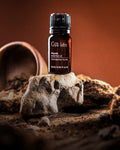

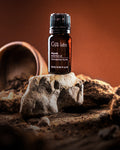
Grapefruit essential oil is Citrus paradisi, cold pressed from the fruit peel. It is used in aromatherapy, home fragrance and personal care for its bright, juicy citrus aroma. Because it is expressed rather than distilled it is phototoxic, so keep it under 4 percent on skin that will see sunlight within 12 hours.
If your morning needs a little more brightness, grapefruit might be the aroma you are looking for. It has that unmistakable citrus character: fresh, juicy, slightly sweet, and just tart enough to make a room feel more lively.
One whiff is enough to think of freshly peeled fruit and a clean, open space, and it does not need much introduction beyond that. What follows is what grapefruit oil is actually good for, four diffuser blends worth making, how to dilute it properly, and the one safety rule that separates it from the citrus oils you can wear in daylight.
What Grapefruit Essential Oil Actually Is
Gya Labs Grapefruit Essential Oil is Citrus paradisi, cold pressed from the peel of the fruit. $9.99 for 10ml, and it sits in the citrus oils range alongside lemon and sweet orange.
That cold pressing detail matters more than it sounds. Pressing the peel carries across compounds that distillation leaves behind, which is what gives grapefruit its bright, true to fruit aroma, and also what makes it phototoxic on skin. More on that below.
Like other citrus oils, the aroma is lively rather than heavy. When I reach for grapefruit it is usually because I do not want a scent that dominates a room. I want something noticeable but effortless.
That is why it works so well alongside other oils. It brightens deeper woody notes, adds freshness to herbal blends and makes floral combinations feel lighter. It also makes a good first citrus oil, because the aroma is recognisably fruit like without being as sharp as lemon or lime.
What is grapefruit essential oil good for?
Grapefruit essential oil is used for its bright, refreshing aroma. Diffuse it on its own or in a blend, use it in home fragrance, or add it to properly diluted topical blends where the product and dilution are appropriate for skin. It is not a treatment for any condition.
You do not need an elaborate routine to enjoy it. A diffuser, a couple of complementary oils and some experimenting will take you a long way.
An Uplifting, Energizing Aroma
Grapefruit is what I think of as a reset the room scent.
Maybe the morning started slowly. Maybe you have been at a desk for four hours. Maybe the house just feels stuffy. A bright citrus aroma changes the atmosphere without smelling intense or medicinal.
Does grapefruit oil boost energy?
Grapefruit oil does not provide energy the way food, sleep or exercise does. Its bright citrus aroma can make a space feel more refreshing and invigorating, which is why it turns up so often in daytime diffuser blends. The effect is on the atmosphere around you, not on your metabolism.
That distinction is worth holding on to. When I diffuse grapefruit during the day I am not expecting the oil to manufacture energy. I am using the aroma to change how the room feels, which is a smaller claim and a true one.
Try diffusing it while you are:
• Getting ready in the morning
• Cleaning the house
• Working at your desk
• Starting an afternoon project
• Getting the place ready before guests arrive
What Blends Well With Grapefruit
Grapefruit is not a solo act. These are the pairings I come back to, and each one takes the blend somewhere different.
• Peppermint for a sharp, invigorating finish. The most wide awake of the five.
• Lemon for a bold, straightforwardly citrus combination.
• Sweet orange for something softer, sweeter and fruitier.
• Cedarwood for warm woods underneath the brightness.
• Lavender for a gentler floral note against the citrus edge.
If you are new to blending, start with oils that sit far apart. Grapefruit and cedarwood work because one is bright and juicy and the other is dry and woody. Grapefruit and lavender is a softer contrast. Grapefruit and peppermint goes the other way entirely and comes out crisp.
The trick is not emptying every bottle you own into the diffuser. Start with two or three, smell the combination, adjust the proportions, and write down what you liked. That is how you end up with blends that are actually yours.
Fresh Home Diffuser Blends
The easiest way to use grapefruit around the house is in a diffuser. Fill it to the line with water, add the drops, and let it work. Four I would start with.
Morning Citrus Reset
3 drops grapefruit, 2 drops lemon, 1 drop peppermint.
Bright, fresh and crisp. This is the one I use early in the day or when a room needs waking up.
Fresh and Woodsy
3 drops grapefruit, 2 drops cedarwood, 1 drop lavender.
The mellowest of the four. Grapefruit brings the light, cedarwood brings the warmth underneath it, and lavender softens the join.
Sweet Citrus Room Blend
3 drops grapefruit, 2 drops sweet orange, 1 drop cedarwood.
If you like your citrus a little sweeter and warmer, start here. It suits shared living spaces.
Clean Kitchen Aroma
3 drops grapefruit, 2 drops lemon, 1 drop tea tree.
The citrus keeps it bright and the tea tree adds a clean, herbal edge. If the kitchen is where your diffuser lives, there are more combinations in our kitchen diffuser blends guide.
When you are testing a new combination, start small. You can add a drop later. You cannot take one back out.
And follow the instructions for your particular diffuser on water and oil amounts, which vary more between models than people expect.
Using Grapefruit Oil on Skin
This is the section to slow down for. Citrus oils are lovely in personal care because the aroma is so fresh, but grapefruit needs one rule that lavender does not.
Is grapefruit oil phototoxic?
Yes. Cold pressed grapefruit oil, which is the standard commercial type and what most bottles contain, carries natural compounds called furanocoumarins that react to UV light. Applied to skin that then meets sunlight, it can cause a burn or a lasting dark patch, and the window stays open for about 12 hours after application.
The commonly cited maximum for grapefruit on skin that will be exposed to sun is 4 percent. That is a generous limit compared with bergamot, which is capped at 0.4 percent, and it means a normal 1 percent body oil sits comfortably inside it.
Steam distilled grapefruit oil does not carry the same risk, because distillation leaves the furanocoumarins behind. If a bottle does not say, assume it is cold pressed.
• Full list of which citrus oils this applies to: our guide to essential oils and phototoxicity.
• Practical version: keep grapefruit blends under 4 percent, and if you have applied one to bare skin, give it 12 hours before real sun or a tanning bed.
How to dilute grapefruit oil
Essential oils are concentrated aromatic materials. Natural does not mean use undiluted, and grapefruit is no exception.
A 1 percent dilution is the simple starting point for everyday personal care. That is 1 drop of essential oil per teaspoon, or 5ml, of carrier oil. For a larger batch the principle is the same: work out the percentage rather than counting drops and hoping.
Carrier oils that suit a citrus blend: jojoba, fractionated coconut, sweet almond or grapeseed. Jojoba is the one I use most, because it is light and it keeps well. Our step by step guide to diluting essential oils covers the ratios for body oils and massage blends.
A simple grapefruit body oil
What you need
• 1 ounce carrier oil
• 6 drops grapefruit essential oil
Using a funnel, fill a clean dry bottle with the carrier oil, add the grapefruit, cap it and roll the bottle between your palms to mix. Six drops in an ounce is about 1 percent.
Patch test a small area and wait 24 hours before using it more widely. And because this is a cold pressed citrus blend, treat it as an evening oil, or keep it to skin that stays covered, rather than putting it on arms and shoulders before a day outside.
The Weight Loss Myth
Grapefruit essential oil should not be treated as a weight loss or appetite control product. There is no good reason to use it expecting that diffusing or applying it will change your weight.
This is where aromatherapy content drifts into claims it should not make. Because the fruit is so tied up with diet culture, you will find pages connecting grapefruit oil to metabolism, appetite suppression and fat burning. I would not use it that way and I would be careful with anyone selling it that way.
An essential oil is an aromatic product. It is not a substitute for nutrition, movement or professional advice, and the aroma of a fruit does not carry the properties of eating it.
Enjoy grapefruit oil for what it actually brings: a bright, fresh aroma that works beautifully in a diffuser, in personal fragrance and in properly diluted topical blends. That is more than enough reason to keep a bottle around.
Storage and Shelf Life
Citrus oils oxidise faster than most, and grapefruit is no exception.
Keep the bottle capped, cool and out of direct light, and plan to use it within about a year of opening. An oxidised citrus oil smells flat and slightly waxy compared with a fresh one, and it is more likely to irritate skin, which is the real reason to replace it rather than push on.
If you mostly diffuse, a 10ml bottle will last a long time. If you make body oils, buy smaller and more often.
Safety at a Glance
• Dilute before any skin use. 1 percent is the everyday starting point, and 4 percent is the ceiling for skin that will see sun.
• Leave 12 hours between applying a grapefruit blend to bare skin and real sun or a tanning bed.
• Patch test a new blend on the inner forearm and wait 24 hours.
• Keep it away from the eyes. If neat oil gets in one, wipe with plain carrier oil rather than water.
• Not for internal use.
• If you are pregnant or nursing, or using oils with children, check with your doctor or midwife first and halve the dilution for children.
• Store out of reach of children and pets, and check with a vet before using any oil around animals.
My Favorite Ways to Use It
After a lot of citrus combinations, I have found grapefruit works best when I do not overcomplicate it.
Morning diffuser: grapefruit and peppermint, when I want the room bright and awake.
Home fragrance: grapefruit, sweet orange and cedarwood, which is warmer and suits shared spaces.
Personal aroma: a 1 percent grapefruit body oil, kept for the evening for the reason above.
Midday reset: grapefruit on its own. The aroma is distinctive enough that it does not always need support.
Sometimes one good oil is enough, which is an argument for buying one bottle you will use rather than six you will not. If you are building a shelf, the single essential oils range is the place to start.
Final Thoughts
Plenty of essential oils come with complicated reputations and long lists of supposed benefits. Grapefruit does not need any of that.
It is bright, it is fresh, it is unmistakably citrus, and it fits into the parts of the day when you want your surroundings to feel a little lighter. That is the whole case for it.
Reach for it first thing in the morning, pair it with cedarwood when you want something warmer in a shared room, or put it with peppermint when you want the sharpest version of it. Keep the dilution at 1 percent on skin, give it 12 hours before sun, and let the aroma be the reason you bought it.